In Bologna, a quick traditional lunch isn’t a sad sandwich eaten in front of your computer. It’s a dish that comes from the region, made with recognizable ingredients and with the right amount of time to be prepared well. The real challenge isn’t finding something to eat quickly: it’s choosing a lunch that has the flavor of the city even when your break is short.
Between offices, classes, errands, and days spent downtown, speed matters. But so does leaving satisfied, with the feeling of having really eaten. In Bologna this combination has always existed: fresh pasta, filled pastas, ragù, bread, and carefully prepared meats are a practical cuisine, able to be generous without becoming complicated.
What Makes a Quick Lunch in Bologna Traditional
It’s not enough to put the word “Bolognese” on a menu. A lunch is traditional when it starts from techniques and recipes that have real weight here: fresh-rolled pasta sheets, ragù cooked with patience, balanced filling, bread made to accompany and not just to fill.
Speed, in this case, doesn’t mean shortcuts. It means kitchen organization. A kitchen team that produces in-house can serve a dish in a few minutes because the longer work was done beforehand: kneading, rolling the pasta sheet, preparing the sauce, cooking the base, measuring the seasonings. It’s the difference between an assembled meal and a dish ready to eat, but born from artisanal preparation.
For those who live in or pass through Bologna, the point is simple: at lunch you can choose local without sitting in a restaurant for two hours. You just need to focus on preparations that maintain identity and consistency even in takeaway format.
Fresh Pasta: The Most Direct Choice
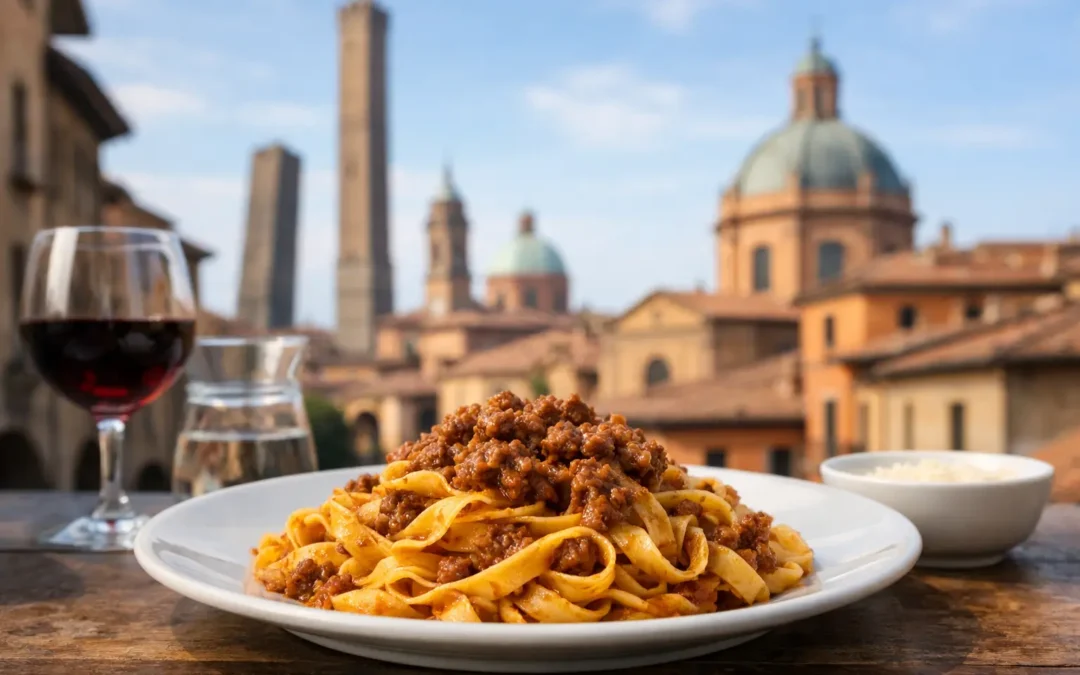
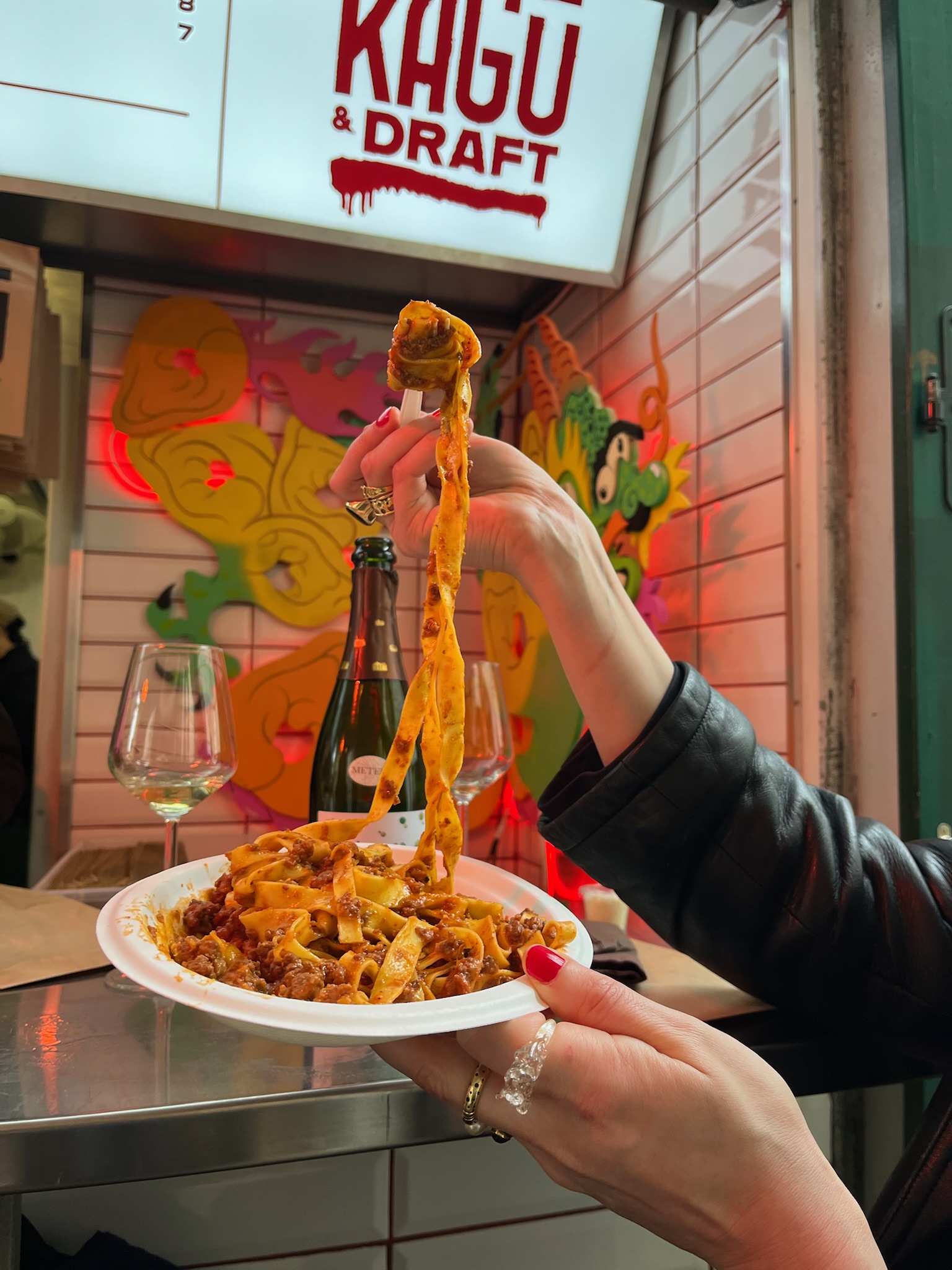
Tagliatelle al ragù are the natural reference point. Not because they’re a postcard, but because they tell the story well of what a quick lunch done seriously can be: porous pasta sheet, full-bodied ragù, a hot and complete portion. The time to eat them is short, the time to prepare a proper ragù is not. And that’s exactly where you see the quality.
Fresh pasta holds up well at lunch when it’s cooked and dressed to order. The tagliatelle need to stay present, without dissolving into the sauce; the ragù should coat them, not drown them. If lunch is eaten while walking or at your desk, a practical container helps, but it won’t save poorly cooked pasta. First comes the cooking, then the packaging.
Even lasagne are a perfect answer on colder days or when you need something more substantial. They have an obvious advantage: they’re a complete dish, layered, comforting. The trade-off is that they can be more demanding if meetings, stairs, or biking await afterward. Delicious, yes, but choose them knowing they really fill you up.
Tortellini and Tortelloni: When Your Break Deserves Attention
Tortellini and tortelloni aren’t just Sunday dishes. In a well-managed break they can transform a normal lunch into a decidedly better moment. Tortellini, with their compact filling and thin pasta sheet, demand precision: they’re small, but they’re not a detail.
In broth they’re a more traditional and delicate choice, ideal when you want to eat something warm without feeling too heavy. With a cream or richer sauce they change register and become a fuller lunch. It depends on the time, the work waiting afterward, and how hungry you really are.
Tortelloni, often more generous in size and filling, work for those seeking a less rushed break while staying in the city’s rhythm. Ricotta, greens, butter, and sage are a classic that doesn’t need special effects. Fewer hashtags, better pasta sheets.
Bolognese Street Food, But with Substance
Not all breaks allow for a fork, table, and twenty free minutes. Sometimes you need to eat while walking, between a class and an appointment, or take something to the park or on the train. This is where street food formats come in: practical, but not anonymous.
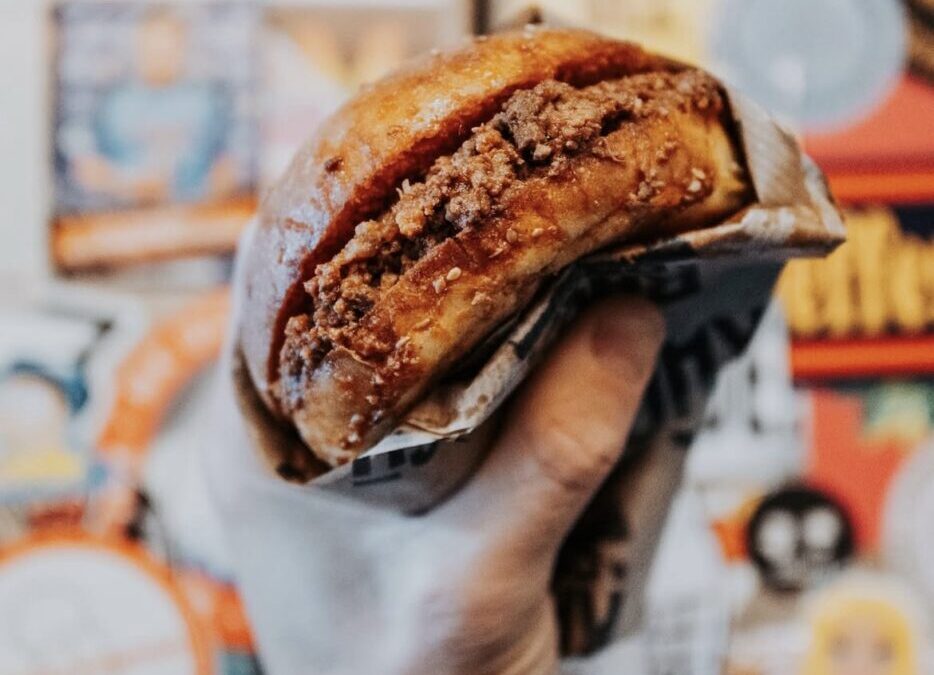
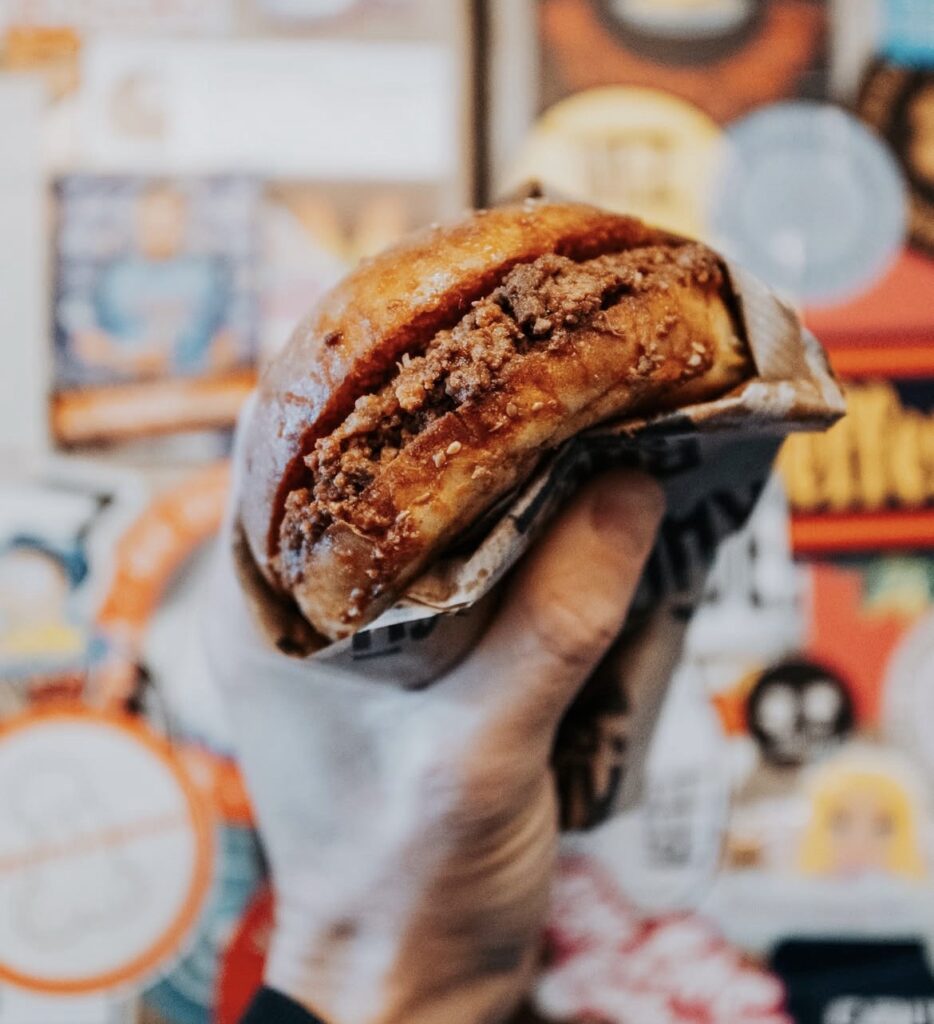
A good sandwich or a walk-and-eat option needs balance. The bread can’t crumble at the first bite, the filling shouldn’t be an impossible mountain to manage, and the flavor needs to stay clean. If there are selected meats, house-made sauces, and well-worked dough, speed takes on another level.
For those with ten minutes, street food is often the smartest solution. For those with a half-hour break who want to sit on a bench or return to the office calmly, fresh pasta remains unbeatable. There’s no universally better choice: context matters, and above all, don’t confuse haste with compromise.
How to Choose Lunch Based on Your Day
A lunch break is never the same as another. If the afternoon is packed, better to have a balanced, warm, and straightforward portion, without excess. Tagliatelle al ragù or a well-constructed street food option let you get back to work without the classic post-heavy-lunch slump.
If instead it’s Friday, you’re out with friends, or you want to give the day a different edge, lasagne, tortelloni, or tortellini are a more generous choice. In Bologna, food isn’t just a break between two commitments: it can be the best part of your pause, even if it’s short.
For students and workers, takeaway becomes truly useful when it maintains consistent quality. You don’t need to search every day for the new place or the most photogenic dish. You need to know where to find fresh pasta, real sauces, and portions designed for urban rhythm. Trust is built this way: from a lunch that delivers what it promises.
What You Drink Matters Too
A quick lunch doesn’t necessarily require just any drink. Water, wine by the glass when time allows, or a light and well-thought-out drink can change the tone of your break. The point isn’t to drink more, but to drink better and in a way that’s consistent with what you’re eating.
In the contemporary format of Ragù & Draft, for example, the tradition of the dish meets draft cocktails prepared with selected ingredients. It’s an option suited especially to a longer lunch, an informal meeting, or an aperitivo that starts earlier than usual. The ten-minute break remains pasta, bread, and go. The one with a bit more breathing room can allow itself a different pairing.
The Value of Takeaway Done Right
Taking away a traditional lunch doesn’t mean settling for a reduced version. It means being able to choose local cuisine even when there’s no time for table service. To make it work, you need attention to temperatures, containers, portions, and delivery times. But above all you need a kitchen that’s not afraid to show itself for what it is.
A well-preserved ragù can be taken home and become dinner for someone who doesn’t want to cook. A portion of lasagne can solve an evening. Artisanal bread and a house-made sauce can transform a quick lunch into a small ritual. The best takeaway doesn’t try to imitate the restaurant: it builds a different experience, freer, without losing precision.
Next time your break seems too short, choose something that’s already done the hard work before arriving on your plate. In Bologna, eating quickly can still mean eating with respect. Welcome home.
Anyone looking for where to eat tagliatelle al ragù in Bologna isn’t just looking for a first course. They’re looking for pasta with a bite, a ragù that smells like home cooking, and a portion that can set the day right. For lunch between classes, a break from work, or after a walk downtown, well-made tagliatelle are a very real answer. Fewer special effects, more ragù.
In Bologna, the dish is famous, of course. But that’s exactly why calling it traditional isn’t enough. The difference is made by the hands of the person rolling the dough, the time given to the sauce, and the respect for a balance that doesn’t need shortcuts.
Where to eat tagliatelle al ragù without getting it wrong
The first clue is the pasta dough. Bolognese tagliatelle are born from the essential meeting of flour and eggs, but that simplicity allows for no distractions. They must be porous, elastic, never mushy, and never thick just to hide sloppy work. When seasoned, the ragù must stick to the pasta: not slide to the bottom of the container, nor separate into a pool of grease.
Then there’s the sauce. Bolognese ragù isn’t just tomato with ground meat thrown in at the last minute. It’s a slow preparation, built in layers: the aromatic base, well-chosen and processed meat, just the right amount of tomato, and the time needed for everything to come together. It must have depth, not aggression. The tomato accompanies; it doesn’t lead.
A reliable place doesn’t need to mask the dish with mountains of cheese or decorative leaves. A little Parmigiano Reggiano, if you want it, completes it. But first, the spoonful of ragù must speak. The aroma must be full and clean, the texture enveloping, the flavor recognizable from the first bite.
The moment the dish arrives also matters. Tagliatelle al ragù are at their best when served freshly tossed, with the pasta still “alive” and the sauce hot. In takeaway, this requires extra care: a suitable container, quick timing, and a kitchen that knows how to prepare a dish to be eaten immediately without sacrificing quality.
The real question: fresh pasta or just a fancy name?
The word “artisanal” can be used too easily. To see if there’s substance behind it, look at the overall offering. A workshop that prepares its own pasta, sauces, and bread tells a specific story: controlling every step instead of assembling ready-made products.
Fresh pasta isn’t just a romantic notion. It has a different texture, absorbs the sauce differently, and requires precise cooking. If made to perfection, it retains that slight roughness that catches the ragù and delivers a compact bite. If overcooked, it loses character. If drained too early, it stays disconnected from the sauce. These are details, but in Bologna, the details are the dish.
The width of the tagliatella also matters. You don’t need to measure it with a ruler before eating, but you do need to recognize a sensible proportion. A strip that’s too thin tends to break and disappear under the sauce; one that’s too wide and heavy risks making everything a struggle. The right tagliatella carries the ragù without being dominated by it.
The ragù shouldn’t be rushed
A good ragù doesn’t look for flavor shortcuts. It shouldn’t be sweetish, watery, or excessively red. The color can vary because it depends on the recipe and the cooking, but the consistency must remain thick and natural. The meat must be present, not reduced to anonymous grains; the sautéed base must blend in, not impose itself.
Slowness here isn’t a pose. It’s technique. Cooking calmly allows the ingredients to lose their sharp edges and find a common language. This is why a well-reduced ragù tastes like home without being heavy. It fills you up, but doesn’t tire you out by the third bite.
Tagliatelle al ragù in Bologna: lunch, dinner, or takeaway?
It depends on what you need, and that’s good news. Tagliatelle al ragù are a complete lunch when you’re short on time but don’t want to eat poorly. They’re a comforting dinner when you get home late. They’re also an excellent choice to take away, provided the place has truly thought about the takeaway service and doesn’t consider it an improvised addition.
For a lunch break, look for a place that works with rhythm but not with haste. Speed is useful, especially downtown, but it can’t turn the kitchen into an assembly line. A well-made portion arrives quickly because there’s organization behind it: ready fresh pasta, properly cooked ragù, direct service.
For dinner to take home, pay attention to one simple point: the dish must retain heat and texture for the time it takes to reach the table. The ragù must envelop the pasta without clumping it. If you want to add cheese, it’s better to do it at the last minute. And if today’s lunch stayed on your mind, having an artisanal ragù to take home to your pantry is an honest way to extend the pleasure without improvising.
At Ragù Bologna, the pasta and sauces are prepared in-house with exactly this idea: real local cuisine, ready to follow the city’s rhythm. Not a hasty copy of a trattoria, but an urban format that defends flavor even when you only have twenty minutes or need to eat at home.
How to order a dish that’s worth the break
You don’t need to interrogate the restaurant. A few questions and a bit of attention are enough. Ask if the pasta is fresh and where it’s prepared. Observe the dish when it arrives: the ragù should be distributed among the tagliatelle, not taking up half the container. Taste before adding cheese or pepper. If the seasoning is balanced, it won’t need correcting.
A good pairing can be simple. Water, a cold drink, or a carefully chosen glass of wine leaves room for the dish. If, on the other hand, you want to turn lunch into a more relaxed moment, a well-crafted aperitivo offering can stand alongside Bolognese cuisine without disguising it. Tradition doesn’t mean immobility: it means knowing what shouldn’t be touched and where you can have fun.
There’s also the matter of actual hunger. Tagliatelle al ragù are generous by nature, so it’s best to choose the rest of the meal based on the moment. At noon, they can be enough on their own. In the evening, perhaps after a long day, they can be accompanied by a light appetizer or finished with something simple. The important thing is not to fill the table out of habit: a well-made dish deserves space.
Watch out for false promises
Be wary of ragù that arrives steaming in two minutes but looks like it was just heated up, of pasta that breaks at the first turn of the fork, and of menus that use the word “Bolognese” as a decoration. It’s not snobbery. It’s respect for a dish that has a specific history and continues to live because it knows how to be good, direct, and everyday.
At the same time, there’s no need to chase a mythological and unchanging version. Every kitchen has its own touch, every family guards a nuance. The point isn’t to find the only possible tagliatella. The point is to find those who work with recognizable ingredients, the right timing, and no desire to fool the diner.
The next time you stop in front of a menu, choose tagliatelle al ragù with a simple criterion: they should make you want to sit down, even if you’re short on time. If the pasta and sauce are well-made, Bologna is already on your plate.
A tray of tagliatelle al ragù isn’t just a quick lunch. If it’s done right, it’s hand-rolled pasta, sauce cooked with patience, a scent that hits you before the fork does, and the certainty of eating something that truly speaks of the city. Bolognese takeaway makes sense right here: taking traditional dishes and making them ready for the pace of a busy day, without turning them into a rushed copy of themselves.
In Bologna, people walk a lot, work between errands, study late, and have dinner together without necessarily booking a table. That’s what takeaway is for. But convenience isn’t enough: when ragù, tortellini, and lasagne are involved, how they are prepared, packaged, and served matters. Less hashtags, more ragù.
What makes good Bolognese takeaway
The starting point is simple: takeaway shouldn’t ask the kitchen to lower the bar. Tagliatelle must stay just rough enough to hold the sauce. The ragù must have structure, not be a watery sauce that slides to the bottom of the container. Tortellini must arrive intact, with a recognizable filling and a broth that deserves attention.
You can sense the difference even before you eat. You see it in the color of the pasta, the cut of the filled pasta, and the consistency of a béchamel made in-house. You feel it in the bread, when it’s prepared to accompany a dish and not just to fill a bag. And you recognize it in the sauces: a few well-treated ingredients, correct cooking times, and no shortcuts disguised as grandma’s recipe.
Takeaway also requires technical work. A dish can be excellent just plated and lose its balance after fifteen minutes closed in a container. That’s why portions, temperatures, and formats matter. The pasta should be seasoned without drowning it, lasagne must keep their layers, and fried foods should be designed to stay pleasant even outside the kitchen. It’s not an operational detail: it’s respect for whoever opens the package on the other side of the city.
The right dishes for lunch, dinner, or coming home
There isn’t just one way to experience Bolognese cuisine. At noon, you might need a full, solid dish to eat during a break without wasting time. In the evening, it can become a dinner to take home, to share, or to put on the table when you don’t feel like cooking but want to eat well.
Tagliatelle al ragù are the most direct choice. They don’t need special effects: you need good pasta, a proper ragù, and the right proportion between the two. They are the dish everyone agrees on, from the local who knows their stuff to the visitor who wants to understand Bologna starting from its most famous dish.
Tortellini have a different character. They require manual skill, precision, and time—three things you can’t improvise. In broth, they are perfect when you’re looking for a cleaner, more comforting flavor; with a cream or a richer sauce, they become a dinner choice. It depends on the season, how hungry you are, and how much time passes between pickup and eating.
Tortelloni bring a different kind of generosity to the table, especially when the filling is well-balanced and the pasta doesn’t overpower everything else. Lasagne, on the other hand, are the dish of the short wait: they heat up slowly, are cut when they’ve rested just right, and make even a random Wednesday special. For those who want a more immediate format, there are street food options: the same culture of filling, meat, and bread, designed to be eaten while walking or during an aperitivo.
Not just ready-made dishes: ragù to go
Good takeaway food continues even after the first meal. A jar of artisanal ragù in the fridge is a practical solution for an impromptu dinner, but it should be chosen with the same criteria as a ready-made dish. It must have a clear flavor, a real texture, and ingredients declared by the taste, not by a promise on the label.
At home, it doesn’t take much to use it well: heat it slowly in a pan, add pasta drained al dente, and a spoonful of cooking water if needed. No need to drown it in cheese or fix it with other sauces. A balanced ragù doesn’t need saving.
How to choose takeaway that won’t disappoint
When looking for Bolognese takeaway, price and proximity matter, especially during a tight lunch break. But it’s worth looking further. A menu that’s too long isn’t automatically an advantage: quality is often better concentrated where the offering is clear and the kitchen knows what it wants to do.
Fresh pasta is a good indicator, but just naming it isn’t enough. It has to be treated well. Homemade pasta needs controlled timing, humidity, and cooking. The same goes for bread, sauces, and fillings. When multiple steps are managed in the same kitchen, the result tends to be more consistent: not because everything has to be complicated, but because every element speaks to the others.
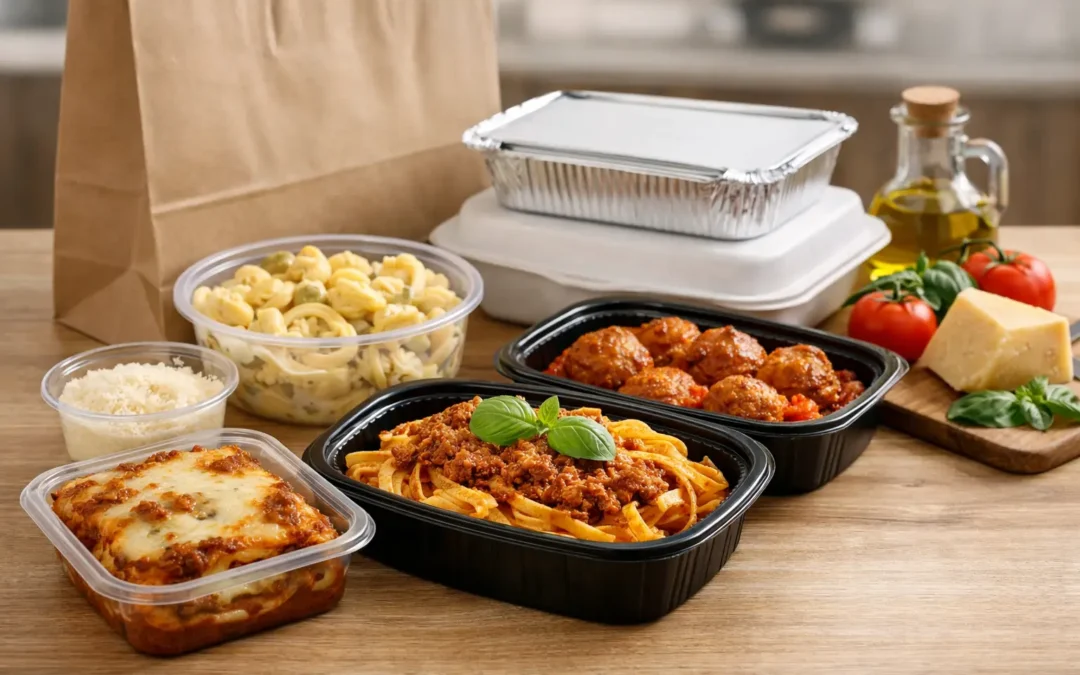
Packaging also deserves attention. For a lunch to be eaten immediately, temperature is key. For a dinner to be eaten later, it’s important that there are clear instructions and that the dish can handle the journey. Lasagne and some sauces travel well; a very delicate pasta should be eaten sooner. It’s not a limitation, it’s gastronomic common sense.
Then there’s the matter of portions. Honest takeaway should be satisfying, not necessarily excessive. The value isn’t in the biggest container, but in the quality of what’s inside: pasta, sauce, bread, and ingredients prepared with care. Sometimes a well-made first course and a slice of artisanal bread are more fulfilling than a menu full of identity-less additions.
Tradition, but at the city’s pace
Bolognese cuisine isn’t a museum. It’s a daily practice, made of repeated gestures, recognizable recipes, and margins of interpretation that must remain respectful. Bringing it into the present means making it accessible to those who have twenty minutes for lunch, those who leave the office late, those hosting friends at home, and those who want to take a taste of Bologna with them.
Drinks can also be part of the conversation without stealing the spotlight from the food. A well-crafted draft cocktail, with serious ingredients and original recipes, can accompany an aperitivo or an informal dinner with less glass waste and fewer unnecessary transports. It doesn’t replace wine, nor should it. It’s another possibility, more urban, to choose when the occasion calls for it.
Ragù Bologna works on this idea: local cuisine prepared every day, to be grabbed on the go but not made in a hurry. The pasta, sauces, bread, and drink components are made in-house because craftsmanship isn’t just a menu buzzword. It’s the most direct way to know what you’re eating.
A small gesture to eat better at home
When you arrive, don’t just open everything distractedly while doing something else. Set down the bag, arrange the plates, heat what needs heating, and serve what’s ready immediately. It only takes a few minutes to give dinner the place it deserves.
The best Bolognese takeaway doesn’t try to imitate a restaurant or act like fast food. It does something more useful: it brings a skillfully made dish to your home, right when you really want it. Welcome home.
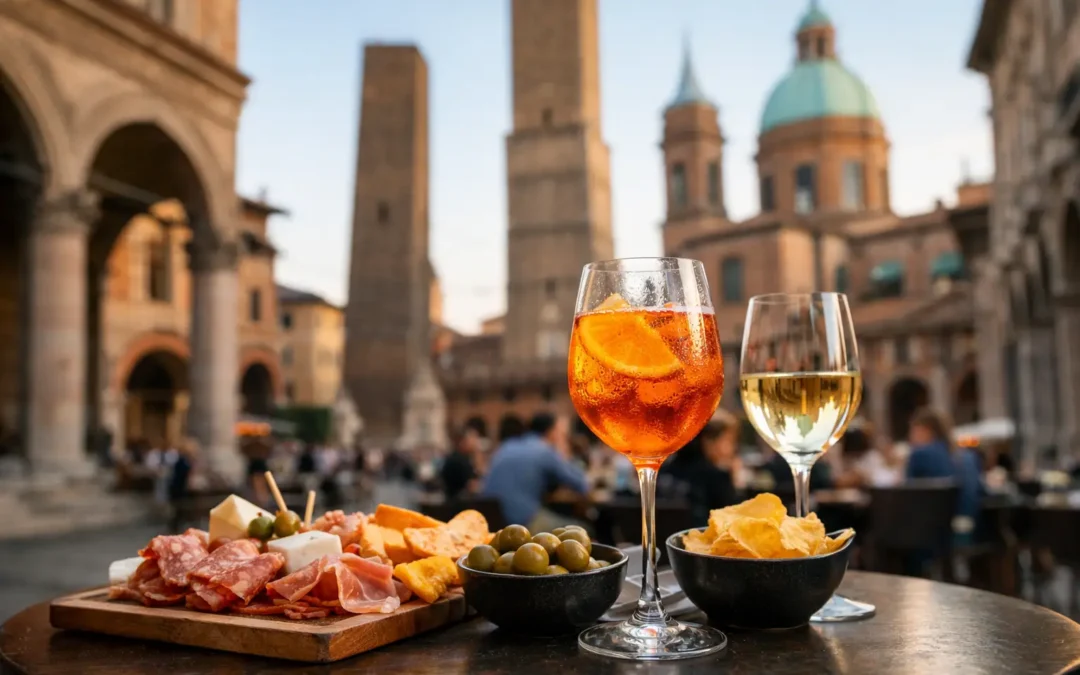
In Bologna, an aperitivo isn’t just a filler between work and dinner. It’s that moment when you slow down enough to choose well: a glass of wine, a well-crafted cocktail, and something to eat with more substance than a bowl of chips. If you’re looking for an aperitivo in Bologna center, the difference is all right here: finding a place where local taste isn’t just a backdrop, but actually makes it onto the plate and into the glass.
There are plenty of options in the center. You’ll find crowded tables, quick deals, endless platters of cold cuts, and drinks with complicated names. Variety is fine, but Bologna has an advantage few cities can match: a cuisine born for coming together, made of hand-rolled pasta, bread, cured meats, sauces, and precise traditions. That’s why, when an aperitivo takes a Bolognese turn, it can become a small but memorable break.
Aperitivo in Bologna center: drink well, eat better
A good aperitivo shouldn’t try to be a full dinner, but it shouldn’t leave you hungry after twenty minutes either. The balance is simple: portions designed for sharing, recognizable ingredients, and a drink that complements the food instead of overpowering it.
Fresh pasta, for example, isn’t out of place at aperitivo hour. It all depends on how it’s served: a light portion of tagliatelle al ragù, a tasting of tortellini, a well-dressed tortellone, or a lasagna made just right transforms the classic pre-dinner meeting into something more Bolognese. You don’t need special effects. You need well-rolled pasta, a sauce prepared with patience, and the right portion size.
Bread matters too. If it’s homemade, warm, or freshly toasted, it becomes the natural companion for sauces, meats, and ragù. It’s something real—maybe not the most Instagrammable thing—but you can taste it immediately. Less hashtags, more ragù.
The center changes pace, the aperitivo adapts
Aperitivo in the center doesn’t have just one audience. There are those leaving the office who want to unwind without spending an hour at the table. There are students looking for an informal spot before a night out. There are locals who want to eat regional food without booking a restaurant, and visitors who have realized the city’s true cuisine isn’t a souvenir.
For everyone, flexibility counts. A successful aperitivo should work whether you’re sitting with friends, standing for a quick hello, or picking it up to take home. Quality doesn’t change if the format is takeaway: only the way the city experiences it changes. A portion of fresh pasta, a well-built sandwich, a craft sauce to go, or a draft cocktail can fit into a busy day without becoming a compromise.
This is where the model of well-made urban food makes sense. Not standardized fast food, not a stiff dinner. A cuisine with clear roots, served at a contemporary pace.
Draft cocktails: not a shortcut
A draft drink might make some people turn up their noses if they associate it with something impersonal. In reality, when it comes from a carefully studied recipe and selected ingredients, it’s a precise solution: faster service, consistent dosing, and less glass to handle and dispose of.
The advantage isn’t just practical. During busy hours, a well-balanced cocktail served immediately leaves more time for conversation and less time waiting at the bar. Of course, not all drinks are suitable for this: some require express preparation, a specific technique, or a garnish that is part of the recipe. But for cocktails designed for the tap, the result can be clean, fresh, and reliable from the first glass to the last.
The right choice also depends on what’s on your plate. A dry, citrusy cocktail can lighten the richness of a ragù. A bitter component goes well with cured meats and bread. If you prefer wine, it’s better to go for a glass that won’t disappear next to bold flavors but won’t make everything feel heavier. Aperitivo is about balance, not a competition for who can turn up the volume the most.
How to recognize an aperitivo with substance
You don’t need to know every culinary detail to tell if a place is doing a good job. There are very simple signs. The first is the menu: when the offerings are few but have an identity, there’s usually a kitchen behind them that knows what it wants to do. The second is consistency. If we’re talking about Bologna, that promise should be visible in the pasta, the sauces, the baked goods, and the choice of raw materials, not just in a sign on the wall.
Then there’s freshness. Pasta dough worked every day has a texture you can’t fake. A homemade ragù doesn’t need to be masked. Bread made with care holds a sandwich together without becoming an anonymous wrapper. These are details, but it’s exactly the details that separate an ordinary aperitivo from a break you’ll want to repeat.
Finally, look at the service. Bolognese hospitality doesn’t need ceremony: it’s about speaking clearly, giving honest advice, being fast when you’re short on time, and being present when you want to stay longer. A good spot knows that not everyone arrives with the same hunger or the same evening ahead. There are those who have a drink and a snack, those who put together a small feast to share, and those who, after the first taste, decide that the aperitivo will be their dinner.
From tradition to the counter, without losing the thread
Bringing Emilian cuisine into an informal format requires attention. The risk is reducing everything to a rushed version: pre-cooked pasta, generic sauces, ingredients chosen only because they’re easy to serve. The alternative is working at the source, in the preparation.
Making the pasta, ragù, sauces, and bread in-house allows for total control over the result. It also means respecting the time you don’t see: the kneading, the slow cooking, the choice of meat, the care of a filling. At the counter, all of this should arrive naturally. Not as a gastronomy lesson, but as an obvious taste.
Ragù Bologna was born from this very idea: artisanal local cuisine, ready for the pace of the center and without shortcuts in production. Tagliatelle al ragù, tortellini, tortelloni, lasagne, and quicker options can coexist with original draft cocktails, because tradition isn’t a display case. It’s a solid foundation to bring out of the kitchen and into the city.
When to choose aperitivo instead of dinner
If you’re short on time, an aperitivo can be the smartest solution of the day. You don’t have to wait two hours for a table or settle for something half-hearted. Just build it with a bit of logic: a hot dish or a pasta option, something to share, and a drink chosen based on what you’re eating.
If, on the other hand, you want a long dinner with multiple courses and a slow pace, the restaurant remains a different experience, and that’s perfectly fine. Not everything has to be the same. Aperitivo has value when it keeps its lightness but doesn’t sacrifice quality.
In the center, where days move fast between porticos, appointments, and busy streets, stopping to eat and drink well is a simple gesture. Choose a place that knows its own kitchen, order what you really want, and let the fresh pasta, the ragù, and a well-made glass do the rest. Welcome home.
A well-made Negroni shouldn’t wait ten minutes behind a line. And it shouldn’t arrive unbalanced or served in a glass chosen just to be photographed.
Our draft cocktails also come from this: the desire to bring to the bar a drink prepared with care, quick to serve, and consistent from first to last.
It’s not a shortcut for an inattentive bar. If the recipe, dilution, and storage are well thought out, the tap is a serious way to work better.
Suitable for everything: from aperitivo to busy evenings, for those who want to relax, but with their legs under the table or elbows on the counter to unwind as soon as possible.
It’s not a shortcut for an inattentive bar. If the recipe, dilution, and storage are well thought out, the tap is a serious way to work better. It’s particularly suited to aperitivo, busy evenings, and those with little time but no intention of drinking something approximate.
What Is a Draft Cocktail
A draft cocktail is a pre-prepared, measured, and refrigerated mixture served through a system similar to draft beer. The drink is stored in a keg and pushed to the tap with a suitable gas, so it comes out at the right temperature and can be served in seconds.
Not all cocktails can be treated the same way. Drinks made from spirits, vermouth, bitters, liqueurs, and stable ingredients are ideal candidates. Think of an Americano, a Negroni, a Boulevardier, or an original recipe built around alcoholic bases and clarified components. Our cocktails have something others don’t: fresh unstabilized juices, fruit pulp, ingredients that change quickly and require more attention, normally with express preparation. That’s why our products are artisanal and genuine.
The difference is in the work before service. A traditional cocktail is built glass by glass. A draft cocktail is designed in advance: proportions are defined, the water needed for dilution is calculated, temperature and aromatic retention are controlled. The tap makes the final gesture, not the entire job.
Why Draft Works for Aperitivo
When the bar fills up, time matters. A good draft system reduces waiting without turning the drink into an anonymous beverage. The customer receives the same cocktail, at the same temperature, with the same recipe even when the place is full and the bartender is handling many orders at once.
There’s also a concrete advantage for those working: fewer repeated steps, fewer bottles open on the bar, less ice wasted during service. This doesn’t mean eliminating the craft. It means shifting it where it really matters: in researching the recipe, choosing raw materials, preparing, and daily monitoring of the system.
For those drinking, the tap can make aperitivo simpler. You order a recognizable drink, served quickly, and there’s more time for what counts: conversation, a plate of tortellini, a slice of lasagna eaten without rush. In Bologna, where aperitivo is often a natural transition between work, study, and dinner, this is no small detail.
Consistency Doesn’t Mean Standardization
The word “consistent” sometimes suggests something industrial. In cocktails, however, it can be a form of respect. If a recipe works, it should be good at 6:30 PM as well as 10:30 PM. It shouldn’t depend on a heavier or lighter hand, the rush of the moment, or how much ice is left in the bucket.
Of course, consistency alone isn’t enough. A cocktail can be perfectly replicable and uninteresting. That’s why the recipe comes before the technology: quality spirits, balance between sweetness, bitterness, and alcohol, garnishes that make sense and aren’t just decoration.
How to Properly Prepare a Draft Cocktail
Preparation requires precision. First you work on the recipe in small format, as you would for a classic cocktail. Then you move to keg quantities, maintaining proportions and deciding how much dilution to include in the mixture. This is the most delicate point: a drink served cold needs water to open the aromas, but too much water makes it flat.
Temperature is equally crucial. A cocktail that’s too warm loses clarity; one that’s excessively cold hides aromas and flavors. Constant refrigeration helps serve well without filling every glass with ice to the brim. Ice remains important, especially for drinks that should evolve slowly in the glass, but it stops being an improvised solution to disorganized service.
Gas isn’t a technical detail to leave to chance either. Depending on the cocktail and desired effect, you can use nitrogen, carbon dioxide, or a specific combination. Nitrogen can give a softer consistency and a dramatic cascade, while CO2 adds liveliness and bubbles. Not every recipe wants bubbles: forcing them onto a drink meant to be smooth would be a mistake, not an innovation.
Cleaning and maintenance complete the circle. Kegs, lines, and taps must be sanitized regularly. A neglected system can ruin even the most successful mixture. It’s work less visible than bar preparation, but it speaks to the same seriousness.
Less Glass, Fewer Unnecessary Transports
A well-organized draft system can reduce the use of single-serve bottles and glass related to beverage service. Kegs are refillable, concentrate more servings, and limit some of the packaging to manage. Transport can also become more efficient, because you’re moving containers designed to hold many servings rather than a large quantity of individual bottles.
It’s not a green magic wand. Sustainability depends on how you purchase ingredients, how long an open keg lasts, how the system is cleaned, and how many servings you actually manage to pour. However, when aperitivo volume is high and the system is well managed, the tap can cut concrete waste without asking customers to sacrifice quality.
It’s also a choice of space. Less glass on the bar means more orderly service, less bottle noise, and more attention to the glass arriving in front of whoever orders. It doesn’t seem revolutionary, but a clean bar works better. And a place that works better makes those inside feel better.
What to Expect in the Glass
A well-made draft cocktail should have personality. It shouldn’t taste like indistinct premix or have a random temperature. It should be balanced, clean, ready to drink. The garnish can be added at the moment, like a citrus peel expressed over the glass, a selected olive, or an aromatic element consistent with the recipe. Or it can be absent.
The glass matters, but it shouldn’t become an obstacle. For some drinks it’s right to use a tumbler with large ice; for others a wine glass or simpler glass can work. The shape influences aromas, temperature, and the way of drinking. The priority remains one: serving a cocktail that keeps what it promises until the last sip.
At Ragù & Draft, the idea of the tap meets that of food made fresh every day: original recipes, chosen ingredients, and service designed to accompany Bolognese cuisine without posing. A bitter and well-balanced drink can open the appetite; a fresher one can lighten a sandwich or a street food offering. No special effects are needed when the glass and plate speak the same language.
When to Choose Draft and When Not
Draft is perfect for stable recipes, frequent requests, and intense service moments. It’s less suitable when the value of the cocktail lies in an unrepeatable express gesture: freshly muddled herbs, citrus squeezed to order, fragile textures, preparations that live for only a few minutes. In those cases, the traditional bar remains the right choice.
There’s no war between classic cocktails and draft cocktails. There’s a more useful question: what’s the best way to serve this recipe, here and now? If the answer is a tap, it should be because it improves the drink and service, not because it’s trendy.
Next time you choose an aperitivo, look beyond the tap lever. Ask yourself if in the glass you find a thoughtful recipe, precise temperature, and a flavor that invites the next bite. Less show, more substance. And maybe, after the first sip, more ragù.
Takeaway lasagne shouldn’t be a quick fix eaten hurriedly at your desk. When done properly, they’re a real meal, a dinner that pleases everyone, and a concrete way to bring Bologna home without losing the character of the dish.
The point isn’t just having a warm container in your hands. The point is finding recognizable layers: fresh pasta sheets, ragù cooked with patience, well-balanced béchamel, cheese that binds without covering everything. Good lasagne holds up during transport, preserves moisture and aroma, then arrives on the plate with that soft yet structured consistency that needs no filters. Less hashtags, more ragù.
What Makes Takeaway Lasagne Special
Lasagne alla bolognese is a dish of balance. The pasta sheets can’t be too thick, or they’ll overpower everything; they can’t disappear under the sauce either. The ragù must be present in every layer, without turning the portion into soup. The béchamel serves to add roundness and hold everything together, not to make each bite heavy.
In the traditional Bolognese version, the green pasta sheets already carry a precise identity. The color isn’t a decorative detail: it tells of a process, fresh pasta that needs to be rolled well and cooked carefully. When the pasta is handmade, it absorbs the sauce differently than industrial pasta and delivers a livelier, more porous, more homemade texture.
Takeaway puts this construction to the test. Lasagne can come out of the oven perfect and lose balance after twenty minutes if assembled poorly, closed too soon, or placed in an unsuitable container. That’s why quality shows even in what you don’t notice right away: in resting times, temperature, portion care, and choosing packaging that protects the dish without smothering it.
Pasta Sheets, Ragù, and Béchamel: The Work Is in the Layers
Good lasagne isn’t judged by the top crust alone. That’s pleasant, sure, but the cut tells the truth. The slice should stand up for a few seconds, then yield easily to the fork. When each layer is well distributed, there won’t be dry spots or corners filled only with sauce.
The ragù is the heart of the matter. It must have depth, not aggression. Slow cooking allows the meat and aromatics to become a unified sauce, without separate flavors fighting each other. The tomato accompanies, it doesn’t dominate. It’s this measure that makes ragù suitable for lasagne: rich enough to support the pasta, balanced enough to leave room for the sheets and béchamel.
Cheese also needs to be used with a sure hand. You need flavor, you need a golden top, you need that note that completes the bite. But too heavy a blanket of cheese covers the work done underneath. In lasagne, as in many Emilian recipes, generosity doesn’t mean overdoing it. It means using good ingredients in the right proportion.
Fresh Makes the Difference
When a kitchen prepares pasta sheets, ragù, and sauces in-house, the result isn’t simply a nod to tradition. It’s a difference you can taste. The pasta has elasticity, the sauce is designed for that format, the whole comes together in the same place with the same approach.
At Ragù Bologna, the kitchen starts right here: artisanal preparations, fresh pasta, and local recipes designed to be enjoyed even away from the home table. There’s no need to transform a classic into a gimmick. Just respect it, cook it well, and make it available when needed.
How to Choose Lasagne to Take Away
The first question is simple: do you want to eat it right away or later? In the first case, look for a portion just out of the oven or kept at the right temperature, with golden edges and a soft center. In the second, ask if it’s ready to reheat and follow the instructions given: properly cooked and cooled lasagne can become an excellent dinner, but it needs a bit of care.
Portion size matters too. For a quick lunch, a generous slice with fresh bread can be enough. For a shared dinner, better to choose a tray or multiple portions and let the dish remain the star. Lasagne is substantial: adding too many dishes around it risks taking space away from what you ordered it for.
Another useful sign is simplicity of explanation. If whoever prepares them can clearly tell you what’s inside, how to store them, and how to heat them, that’s already a good starting point. Artisanal cooking doesn’t need complicated words. It needs recognizable ingredients, precise techniques, and consistent results.
Transport and Storage Without Ruining Everything
If you’re heading home on foot, by bike, or by car, keep the container as horizontal as possible. It seems obvious, but lasagne rushed through in a backpack loses its structure, and not because of the recipe. If you have other purchases, keep it on top and don’t crush it with bottles or heavy containers.
To eat it right away, open the package as soon as you arrive and let it rest for a couple of minutes. The heat distributes better and the slice settles. If you’ll eat it later, don’t leave it at room temperature for hours: put it in the fridge as soon as possible, following the vendor’s instructions.
The fridge helps preserve, but it doesn’t improve lasagne left there too long. This is a fresh dish, not an anonymous stockpile to forget on the shelf. Ideally, plan to enjoy it soon, when pasta sheets, ragù, and béchamel still maintain their balance.
How to Reheat Lasagne Without Drying It Out
The oven remains the best choice when you have a few extra minutes. Heat at moderate temperature, initially cover the container if it allows, and uncover only at the end to recover a light golden color. Too-high heat dries the edges before the center is warm again: better to wait a few extra minutes than end up with lasagne hard on top and cold inside.
The microwave is a practical solution, especially during a lunch break. In this case, use medium power and proceed with short intervals, letting the portion rest between passes. You won’t get the same golden surface as the oven, but you can keep the center soft and the sauce well bound.
If the lasagne is very cold from the fridge, don’t expect it to come back perfect in two minutes. Time is part of the recipe even after purchase. Gradual reheating protects the pasta sheets and brings back the aroma of the ragù without separating the sauces.
The Right Dish, the Right Moment
Takeaway lasagne works in many situations: a break between classes, an office lunch that deserves more than a sandwich, a dinner with no pots to wash after a long day. They’re also a smart choice when friends show up unexpectedly and you want to offer something substantial, not yet another aperitivo made of snacks.
The context changes, but the rule stays the same: serve them calmly. A warm flat plate, a proper fork, maybe some bread to gather the last ragù. No need to stage a scene. The lasagne already arrives with enough history, flavor, and work inside.
When you choose well-made takeaway, you’re not just solving dinner. You’re choosing a kitchen that continues to speak even outside the kitchen. Bring it home, reheat it with respect, and let it do what it does best: make everyone feel a bit like they’ve come home.
At twelve-forty, in the center, Bologna is on the move: those leaving the office have little time, those visiting the city want to eat well, and students look for something truly filling. Searching for “tortellini Bologna centro” doesn’t just mean finding a typical dish near you. It means choosing whether to settle for just any pasta or to stop for tortellini with a specific history, a well-rolled dough, and a filling that speaks Bolognese.
The tortellino is neither a gastronomic souvenir nor a menu detail. It is a small but demanding shape. To do it well, you need skill, raw materials, time, and respect for a tradition that in Bologna needs no special effects. Less scenery, more substance. As we liked to say in 2017: less hashtags, more ragù.
Tortellini in downtown Bologna: the difference is in the hand
A tortellino done right is recognizable even before you taste it. The pasta sheet must be thin, elastic, and hold its shape during cooking without becoming mushy or opening up. It shouldn’t dominate the filling, but accompany it. When well-crafted, it remains present to the bite and leaves room for the full flavor of the inside.
Then comes the knot, what we in Bologna call naturally and what elsewhere often becomes just an imitated shape. It’s not a decorative exercise. The closure serves to protect the filling and give the tortellino 그 compact, round, unmistakable consistency. Every piece requires attention. Making many doesn’t change the rule: one by one, they must turn out well.
The traditional filling has character, but it shouldn’t be aggressive. Meat, cured meats, cheese, and aromas must come together without one ingredient overpowering the others. This is where the craft is felt: in the proportions, the grinding, and the resting of the mix. A written recipe is a starting point. The hand that executes it does the rest.
Not all tortellini should be eaten the same way
The most frequent question is simple: broth or parmesan cream? For Bologna, the historical answer is just as simple: the tortellino was born for broth. A well-made, clean, and fragrant broth enhances the pasta and the filling without covering them. It is the context in which the tortellino shows itself for what it is.
This doesn’t mean every lunch has to follow a long ritual. The city center lives by different rhythms. There are those who want a hot dish during their lunch break, those who stop by to pick up dinner, and those looking for something authentic to take home after a day under the porticos. In these cases, the service also counts: an artisanal preparation must arrive in the right container, with respected cooking times and clear instructions if the dish is finished at home.
Compromise isn’t choosing between tradition and convenience. Compromise happens when, to be fast, you give up on the quality of the pasta or turn a delicate dish into an anonymous portion. Takeaway done well solves a concrete need without making the work behind it disappear.
Broth is not an accessory
When talking about tortellini, broth is often treated as a liquid side dish. It isn’t. It must be built with the same care as the filling: flavorful, but not heavy; present, but not intrusive. A broth that’s too salty flattens everything. A weak one leaves the tortellino voiceless.
For those eating immediately, the dish must arrive hot and balanced. For those taking it away, it’s better to separate when necessary, so the pasta doesn’t keep absorbing liquid and lose its texture. These are practical details, but that’s exactly how flavor is defended.
What to look for when searching for tortellini in central Bologna
In an area full of signs and quick offers, choosing well requires fewer magic formulas than it seems. Looking at the dish is already a good start. Tortellini that all look identical, too shiny, or swollen can tell a story of standardized processing. Fresh pasta, on the other hand, has small natural differences: it’s the sign of a gesture repeated by hand, not a product without identity.
Transparency also counts. A serious place doesn’t need to invent vague traditions or use high-sounding words for a recipe it doesn’t know. It talks about the dough, the filling, the cooking, the broth. It can tell you what you’re eating and why it’s prepared in a certain way.
Freshness is another decisive point. The tortellino does not forgive distraction: if it sits too long, if it’s cooked poorly, or if it’s kept in the wrong conditions, the difference is felt immediately. The pasta loses its tension, the filling becomes muddled, and the dish stops being memorable. In the center, where everything is fast, true quality lies in not using speed as an excuse.
Finally, consider the occasion. For a quick lunch, you need portions designed to eat well without slowing down too much. For a dinner at home, you need products and instructions that maintain quality until they reach the plate. For those visiting Bologna, you need a real experience, not a simplified version of local cuisine designed only for those passing through once.
A living tradition, not a preserved one
Defending the tortellino doesn’t mean putting it under a glass dome. It means knowing its grammar well before deciding how to serve it to a contemporary city. Bologna is made of lunches on the go, shared tables, short breaks, improvised dinners, and people who want to take something good home without cooking from scratch.
Craftsmanship can fit within this rhythm. In fact, it must. A kitchen that prepares its own pasta, sauces, and bread can offer direct, accessible, and fast food without becoming soulless fast food. It’s the difference between eating in a hurry and eating badly: the first is an urban necessity, the second shouldn’t be.
At Ragù Bologna, this idea starts from Bolognese cuisine made every day and reaches the takeaway counter without disguises. The tortellini remain tortellini: small, full, to be treated with respect. Around them, the way they are experienced changes, because the days of those passing through the center change.
The pairing also carries weight
A plate of tortellini in broth asks for moderation. If you’re choosing a drink, it’s better not to try to overpower the dish with flavors that are too sweet, aromatic, or alcoholic. Water, a dry glass of wine, or a fresh, clean drink accompany it better than any pairing built to impress.
If, on the other hand, the tortellini are part of a larger dinner, they can open the meal with elegance and substance. There’s no need to add too much: a good stuffed pasta already has structure, fat, savoriness, and memory. The rest should leave room.
A small dish that asks for respect
The tortellino is one of the most direct ways to understand Bologna. Inside is the pasta of the homes, the patient work of hands, the idea that popular cuisine can be precise without becoming distant. It’s not a dish to be treated with nostalgia, but with attention.
Next time you’re hungry in the center, choose a place that lets the tortellino speak before the sign. If the pasta is fresh, the filling is balanced, and the service respects the dish until the last minute, even a short break can taste like home. Welcome home.
ERRELAB is our fresh pasta and sauce workshop where we produce all our products.
In Bologna, fresh pasta isn’t a side dish for sauce. It’s the starting point for everything: a well-rolled sfoglia, a balanced filling, a sauce that reaches the plate hot and unhurried. Looking for fresh pasta in Bologna means looking for exactly this: not just any pasta, but a preparation made with skill, measure, and respect for the city.
A cutting board, a rolling pin, eggs, and flour. It seems simple, but just change the dough’s moisture, the thickness of the sfoglia, or the resting time, and you change the result. The difference is felt in the first bite: in the texture, the aroma, the way the ragù clings to the pasta instead of sliding off.
Fresh Pasta in Bologna: How to Recognize It
Well-made pasta shouldn’t be perfect like an industrial product. It can have a slight variation in thickness, the mark of handwork, one edge less identical to the other. What matters is something else: elasticity, how it holds up in cooking, and its ability to embrace the sauce.
In Bolognese tradition, sfoglia is born primarily from the meeting of flour and eggs. The proportion isn’t a formula to repeat blindly, because eggs aren’t all the same and flour changes with the seasons. Those who truly work the dough understand it through their fingers: whether it needs more flour, if the mass is too dry, if it needs to rest longer.
Then comes the rolling pin. Rolling the sfoglia by hand requires constant pressure and attention. Too thick, it stays heavy. Too thin, it risks breaking or losing structure in the pot. Tagliatelle needs a sfoglia that maintains character, while tortellini and tortelloni demand precision in the discs, the sealing, and managing the filling.
Freshness, however, doesn’t just mean recent production. It means pasta stored and cooked with care. An excellent sfoglia can be ruined by distracted cooking, undersalted water, or a few minutes too long. Fresh pasta cooks quickly: it needs to be watched, tasted, drained when it’s ready to finish its work in the sauce.
Not Every Sfoglia Calls for the Same Sauce
In Bologna, shapes have meaning. They’re not decoration for the menu, but a precise choice between texture, filling, and sauce. Tagliatelle has a wide, porous surface, made to gather a rich ragù without being drowned by it. The result shouldn’t be a mountain of sauce: the ragù should accompany the pasta, enter its folds, leave the sfoglia itself recognizable.
Tortellini follow a different logic. Small, sealed one by one, they concentrate a savory and complex filling. They’re tied to broth, because that’s where their balance expresses itself most clearly. The broth doesn’t serve to cover: it serves to support, keep warm, and bring to the palate the depth of meat and cheese.
Tortelloni, more generous in form, call instead for soft fillings and less invasive sauces. Ricotta, greens, and butter may seem simple, but here simplicity is demanding. If an ingredient is weak or poorly measured, there’s nothing to hide it behind.
And then there are lasagne, where the sfoglia must work as a team with ragù, béchamel, and cheese. Layers too thick become heavy, layers too thin disappear. A well-made lasagna stays compact when cut but not dry, hot all the way to the center and generous without becoming excessive.
Ragù Is Not a Shortcut
Fresh pasta deserves a sauce prepared with the same patience. In Bolognese ragù, time is a real ingredient: the meat must cook slowly, the aromas must blend, the sauce must become dense and deep without reducing to an indistinct cream.
There are many family versions, many kitchen habits, many legitimate debates. Tradition isn’t a glass case. But there are clear boundaries: Bolognese ragù is not a tomato sauce with ground meat added at the last minute, nor a condiment to use indiscriminately on every pasta shape.
The point isn’t chasing some supposed postcard purity. The point is recognizing balance. A good ragù brings savoriness, the natural sweetness of vegetables, depth of meat, and a texture that coats. If it completely covers the taste of the sfoglia, something is lost. If it’s too liquid, it doesn’t bind. If it’s too fatty, it tires quickly.
That’s why tagliatelle al ragù remains such a difficult dish to improvise. It has few elements, all exposed. It’s not enough to call it traditional: it must be so in the work.
What to Expect from Fresh Pasta Takeaway
Fresh pasta doesn’t have to stay confined to Sunday or the restaurant with long tablecloths. In Bologna it can also be a lunch break, a dinner brought home, something to eat with company after a full day. Takeaway done right doesn’t reduce the dish to a quick solution: it simply changes the context in which you eat it.
Here, management matters. The portion must arrive hot, the container must protect the pasta without turning it into a soggy mass, the sauce must be measured to hold up through a few minutes of waiting. Not all preparations travel the same way. Tagliatelle al ragù is reliable if prepared and packaged with care; tortellini in broth need intelligent separation between pasta and liquid; lasagne requires uniform temperature.
Even at home, two minutes make a difference. If the dish needs reheating, better to do it gradually than attack it. If the sauce seems compact, a gentle pass restores softness. And if you choose filled pasta, don’t load it with extra cheese or sauces: taste it first. A well-made filling already has its own voice.
Living Tradition, Not Fake Nostalgia
Bolognese cuisine doesn’t need to dress up as a souvenir. It needs to be made with recognizable ingredients, precise gestures, and a bit of pride. This applies to those who live in the city and want a serious lunch, to students looking for something better than the usual sandwich, to those visiting Bologna who prefer to taste a real dish instead of chasing a trend.
Modernity isn’t putting an English name on an ancient recipe. It can be making artisanal cooking accessible, serving it in reasonable time, pairing it with a thoughtfully made drink, and reducing waste where possible. At Ragù Bologna, the sfoglia, sauces, and bread are made in-house precisely for this reason: less special effects, more substance.
There’s also room to choose according to the moment. A portion of tagliatelle al ragù is a direct and reassuring classic. Tortellini are the right choice when you want the most recognizable flavor of tradition. Tortelloni speak to those who prefer a more delicate softness. Lasagne is for when you need a dish that truly tastes like home cooking, even if home is on the other side of the city.
Next time you’re short on time, don’t settle for a dish that just fills you up. Look for a sfoglia that holds its bite, a ragù that’s had its time, and a flavor that doesn’t need filters. Welcome home.
A Bolognese ragù made as it should be doesn’t arrive at the table with special effects. It’s not bright red, it doesn’t float in tomato sauce, and it doesn’t drown the pasta. It has a deep aroma, an enveloping texture, and that rare ability to make you slow down after the first bite. In Bologna, we know: ragù isn’t a trend, it’s a daily ritual that requires serious ingredients, careful hands, and above all, time.
That’s why simply calling it meat sauce is an understatement. Ragù is a precise preparation, but not as rigid as a laboratory formula. Every family kitchen keeps a small habit: some use a different amount of milk, some extend the cooking time, some use a cut of meat with more character. The point isn’t to turn tradition into a courtroom. The point is to respect its essence.
Bolognese ragù is not a tomato sauce
The first thing to clarify is this: there is tomato in ragù, but it shouldn’t take over. It serves to provide balance, color, and a slight acidity, not to turn the dish into a tomato sauce with ground meat. The correct result is more brown than red, rich but never heavy, compact without being dry.
The texture also tells a story. The meat must be present, cooked slowly until it becomes tender and blended with the cooking juices. It shouldn’t disappear into an indistinct cream, nor remain in hard, detached pieces. A good ragù coats the pasta, follows it onto the fork, and leaves the plate clean enough to make you want to mop up the sauce with bread.
Haste is the most common enemy. A soffritto thrown into the pan without care, poorly browned meat, and twenty minutes of boiling don’t produce ragù: they produce a quick condiment. It might even be good, but it’s something else entirely. Bolognese ragù needs gentle, patient cooking—the kind that lets fat, meat, vegetables, and liquids meet to create a unique flavor.
Where a serious Bolognese ragù begins
It starts with the soffritto. Finely chopped onion, celery, and carrot are the aromatic base, not a decorative detail. They must cook slowly in the fat, releasing sweetness and aroma without burning. When the soffritto is done well, you can no longer distinguish it in the dish, but it supports every bite.
Then comes the meat. In the Bolognese tradition, the choice revolves around beef, with a portion of pancetta that brings savoriness and roundness. You don’t need display-case cuts: you need well-selected meat with the right ratio of lean to fat. A grind that is too lean tends to stay dry. One that is too fatty can make the ragù feel heavy on the palate. Balance, here too, makes the difference.
Wine helps build depth, provided it is truly allowed to evaporate. Milk softens and binds without turning the ragù into a milky sauce. Broth and tomato are added little by little as it cooks. There is no bottled shortcut to achieve that intense base that comes after hours over a low flame.
The official recipe and home cooking
The recipe registered by the Bolognese delegation of the Italian Academy of Cuisine offers an important reference: beef, pancetta, soffritto, wine, milk, tomato paste or purée, and broth. It’s a useful compass, especially at a time when the name ‘Bolognese ragù’ is used for preparations light-years away from the original.
But a living tradition isn’t meant to be performed without understanding. In Bolognese homes, there are variations passed down for generations, often linked to the availability of ingredients or the family’s taste. Some add a hint of nutmeg, some prefer a more rustic texture, some cook it longer. As long as the technique, proportions, and spirit of the dish remain recognizable, the ragù continues to speak Bolognese.
Time changes everything
Slow cooking isn’t a romantic whim. It’s chemistry, technique, and common sense. At the beginning, the meat must be browned: that step builds flavor and shouldn’t be skipped. Afterward, the ragù should just barely simmer. If it boils furiously, the liquids evaporate too quickly and the flavors stay separate. If the flame is too low but the time is insufficient, the meat won’t have a chance to release its tenderness into the sauce.
During cooking, the ragù must be tended to, not abandoned. A check every now and then, a ladle of broth when needed, a stir at the bottom: these are simple but decisive gestures. The exact amount of liquid depends on the pot, the meat, the flame, and even the day. The recipe points the way; the stove requires your presence.
The finished ragù shouldn’t be liquid. When you scoop it up with a spoon, it should have body. If it appears too dry, a little broth can bring it back to the right point. If it’s too thin, you need patience, not flour or thickeners. And after turning off the heat, a few minutes of rest does it good: even ragù needs to settle.
Which pasta should it really be served with
Tagliatelle al ragù. There isn’t much debate here. The fresh, porous, and wide sfoglia holds the sauce naturally. Every ribbon carries meat and cooking juices with it, without the ragù all ending up at the bottom of the plate. It’s a match designed to be together.
Spaghetti Bolognese became famous outside of Italy, but they don’t represent the local traditional pairing. It’s not snobbery: it’s a matter of shape and texture. Smooth spaghetti lets the sauce slide off, while handmade tagliatelle welcomes it. If you really want to understand the dish, start there.
Ragù also finds its place in green lasagne, where it dialogues with béchamel and spinach pasta sheets, and in some fillings or baked dishes. In these cases, its role changes, but it doesn’t lose its identity. It must remain recognizable, with its character of slow-cooked meat, rather than becoming a simple background note.
Parmesan yes, but in moderation
A dusting of Parmigiano Reggiano can complete the dish, especially if well-aged. However, it shouldn’t submerge the ragù. The idea is to add a savory touch, not to cover the work done in the pot. The same goes for raw oil and spices added at the last minute: if the ragù is built well, it doesn’t need disguises.
How to recognize a good ragù even for takeaway
Bringing home a well-made ragù is a convenience that shouldn’t require compromises. First of all, look at the color: be wary of sauces that are too red and uniform. Look for a rich texture where the meat is visible and the tomato doesn’t take over. The aroma should reveal meat, cooked vegetables, evaporated wine, and cooking juices, not an aggressive acidity.
Packaging matters too. An artisanal ragù should arrive in a suitable container, ready to be heated with care and seasoned at the moment. At home, all you need is a saucepan, a gentle flame, and a few minutes. If you’re using it for pasta, save a bit of its cooking water: it can help bring it back to the perfect consistency when you toss it with the tagliatelle.
In the kitchens of Ragù Bologna, the ragù is born from this very idea: no shortcuts, fresh sfoglia, raw materials treated with respect, and recognizable flavors. Because a quick lunch can be done well. And because takeaway food, when it’s truly artisanal, still tastes like home.
The best way to enjoy it remains the simplest: a generous portion of tagliatelle, a table set without too many frills, and the time to eat them hot. Less hashtags, more ragù.
You don’t understand Bologna with a cone of fries in hand. You understand it with the aroma of ragù, with a thinly rolled sfoglia, with bread that holds a generous filling without giving in at the first bite. The best street food Bologna has to offer isn’t a copy of fast food: it’s Emilian cuisine done right, designed for those with little time but who don’t want to eat poorly or badly.
Here, fast food has a different measure. It can be lunch between classes, dinner to take home after work, something substantial to eat while walking through the city center. The speed of service matters, of course. But first come the raw ingredients, the skill in the kitchen, and respect for recipes that in Bologna aren’t a postcard costume.
Street Food Bologna: Not Just Sandwiches
When people talk about street food, they often think of dishes meant to be eaten while walking. In Bologna, the concept is broader and much more interesting. Even a portion of tagliatelle al ragù, a freshly cooked tortellone, or a lasagna served for takeaway can be street food, if they arrive in your hands hot, carefully prepared, and ready for the rhythm of the city.
The difference isn’t in the packaging. It’s in the fact that a dish maintains its identity outside the restaurant. Fresh pasta must stay al dente even on the journey to the office. Ragù must have depth, not be a sweet or overly liquid sauce. A sandwich must have character, not just volume.
That’s why Bologna is the right place for those seeking a quick lunch with a real story behind it. The city has a very strong culture of everyday eating: trattorias, markets, bakeries, delicatessens, and pasta workshops have taught that practicality and quality aren’t enemies. You just can’t take shortcuts.
Fresh Pasta Is the Real Bolognese Fast Food
Tagliatelle al ragù is the first test. Not because it’s the most photographed dish, but because it allows no pretense. The sfoglia must be porous, elastic, capable of catching the sauce. The ragù must cook with patience and speak of meat, vegetables, cooking juices. If tomato dominates, if the sauce covers everything, you’re off track.
For a quick lunch, a good portion of tagliatelle is often more satisfying than many seemingly light meals. It’s complete, recognizable, comforting. And if it’s truly made in-house, it doesn’t need special effects. Fewer hashtags, more ragù.
Tortellini and tortelloni also have a precise place in the city’s street food, but they require attention. Tortellini in broth are wonderful and better suited to cold months or an unhurried meal. Tortelloni, with fillings like ricotta, Parmigiano Reggiano, and vegetables, are a generous choice when you want something vegetarian without sacrificing substance. Not everything has to be eaten in ten minutes: good takeaway also offers the freedom to sit wherever you want and eat at your own pace.
Tigelle, Crescentine, and Bread: The Street Runs Through the Oven
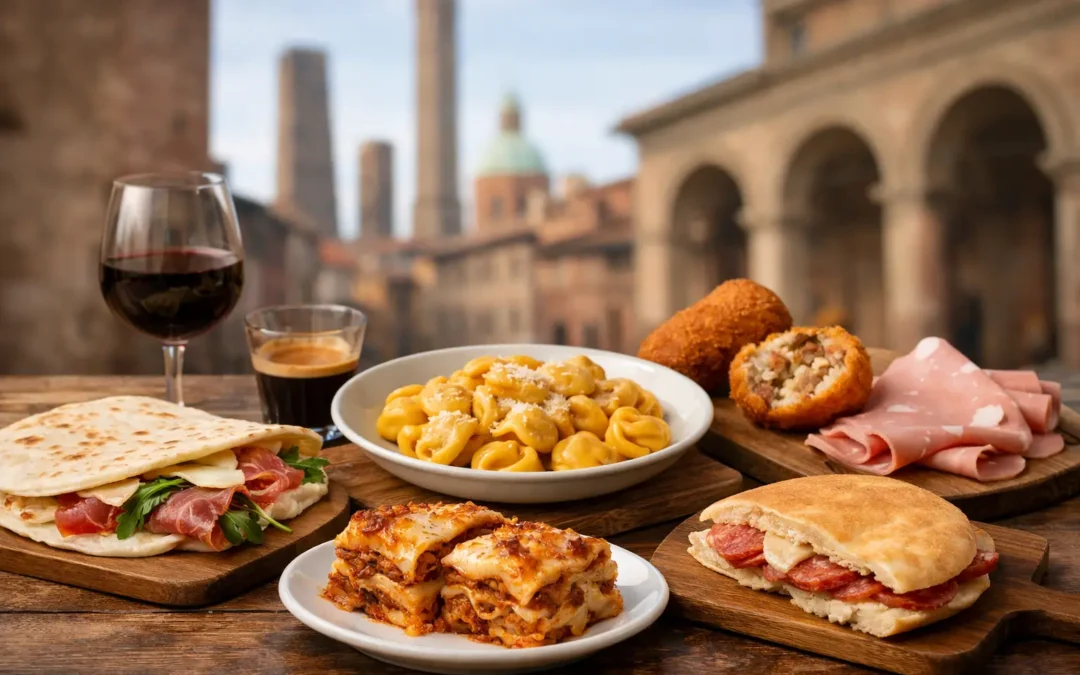
If you need something to hold in your hand, Bologna and Emilia have precise answers. Tigelle and crescentine are two neighboring but not identical worlds. Tigelle are small bread rounds, soft and warm, perfect for filling. Fried crescentine are more indulgent, fragrant, to be eaten immediately with cured meats, cheeses, and flavorful accompaniments.
Quality here shows in simple details. A well-worked dough has aroma, texture, and doesn’t sit heavy. The filling must be balanced: good mortadella, properly sliced cured meat, a cheese that doesn’t disappear, a sauce made in the kitchen and not randomly chosen from a shelf.
Bread deserves the same seriousness as pasta. It’s the first contact with the dish, the one that decides whether a sandwich stays intact or becomes a mess after two bites. When it’s done right, it supports meat, sauces, and vegetables without stealing the show. When it’s done poorly, no filling can save it.
Ragù to Eat Right Away or Take Home
A real advantage of Bolognese street food is that it can continue even after lunch. Ragù isn’t just a sauce to order: it’s a preparation to bring into the kitchen, to use for quick pasta, for a Sunday lasagna, or to save a midweek dinner without giving up the taste of home.
Taking away an artisanal sauce makes sense when it comes from a kitchen that truly prepares it, with timing and ingredients consistent with the recipe. It’s not the same as just any jar. It’s a practical way to have Bologna on your plate, even when you get home late or don’t feel like cooking from scratch.
At Ragù Bologna, the logic is exactly this: transforming homemade Bolognese dishes into a real takeaway meal, from fresh pasta with ragù to bread to preparations to take away. Not a preserved tradition, but a cuisine that lets itself be eaten every day.
How to Recognize a Place That Works Well
You don’t need to take a gastronomy exam before ordering. There are clear signs. The menu shouldn’t be endless: a few well-executed offerings are worth more than twenty interchangeable dishes. Seeing recognizable preparations, like fresh pasta, house-made sauces, and carefully prepared bread, is a good starting point.
The pace of service also matters. A place designed for takeaway shouldn’t force you to choose between quality and impossible timing. During peak hours there may be a wait, especially where they cook seriously. But precise organization, clear portions, and suitable packaging make all the difference when lunch is counted by the minute.
Then there’s the issue of price. Street food doesn’t have to be cheap at all costs. A dish of fresh pasta, well-selected meat, or a cocktail prepared with quality ingredients have a real cost. The point is receiving value: a proper portion, clear flavor, readable ingredients, and no shortcuts hidden behind a traditional name.
At Lunch, Aperitivo, Dinner: The Moment Changes
For the lunch break, fresh pasta remains an unbeatable choice if you want a dish that satisfies without leaving the feeling of having eaten something anonymous. If time is short, a well-made sandwich or a filled tigella can be more practical. It depends on where you need to go afterward and how comfortable you want to be.
At aperitivo, crescentine, small tastings, cured meats, cheeses, and drinks prepared with the same approach used in the kitchen come into play. A draft cocktail, if built with original recipes and serious ingredients, can be a smart choice: faster service, less glassware to handle, fewer unnecessary waste. Modernity doesn’t mean erasing tradition. It means making it work in today’s city.
At dinner, takeaway can become a real table. Lasagna, tortelloni, meat, bread, and a good sauce to save for the next day: it takes little to transform coming home into a better moment. Convenience, when done well, has nothing rushed about it.
Where Those Seeking Only the Famous Dish Go Wrong
Looking for the most famous specialty is normal, especially for those visiting Bologna for the first time. The risk is stopping at the name. The city offers much more than the usual list of dishes to check off: it offers gestures, textures, aromas, and habits that deserve attention.
Don’t order tortellini just because “you have to.” Ask yourself instead what you feel like eating, how much time you have, and whether you want to sit down or take something away. Tagliatelle al ragù might be the perfect choice one day, while a warm tigella is better suited to another. Eating local doesn’t mean following a script. It means choosing with judgment.
The best street food Bologna has to offer is the kind that makes you think, at the first bite, that the city had time to cook even if you didn’t. Look for real sfoglia, ragù made with patience, bread that smells of the oven. Then take the time you can: five minutes on a bench, twenty on a lunch break, dinner at home. Bologna will do the rest.


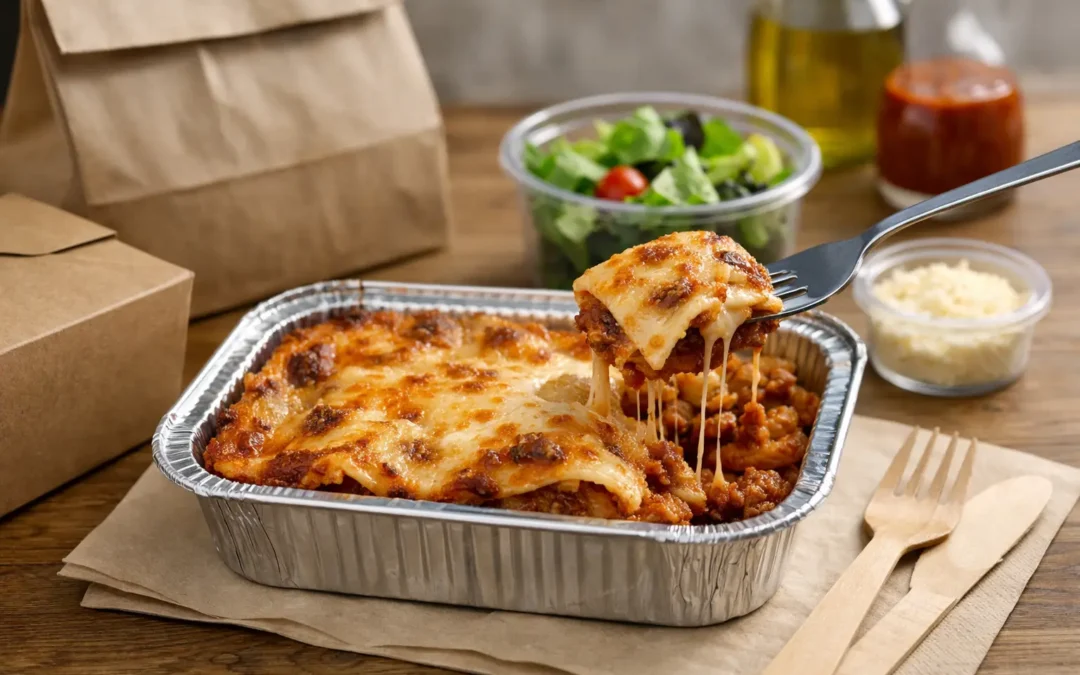
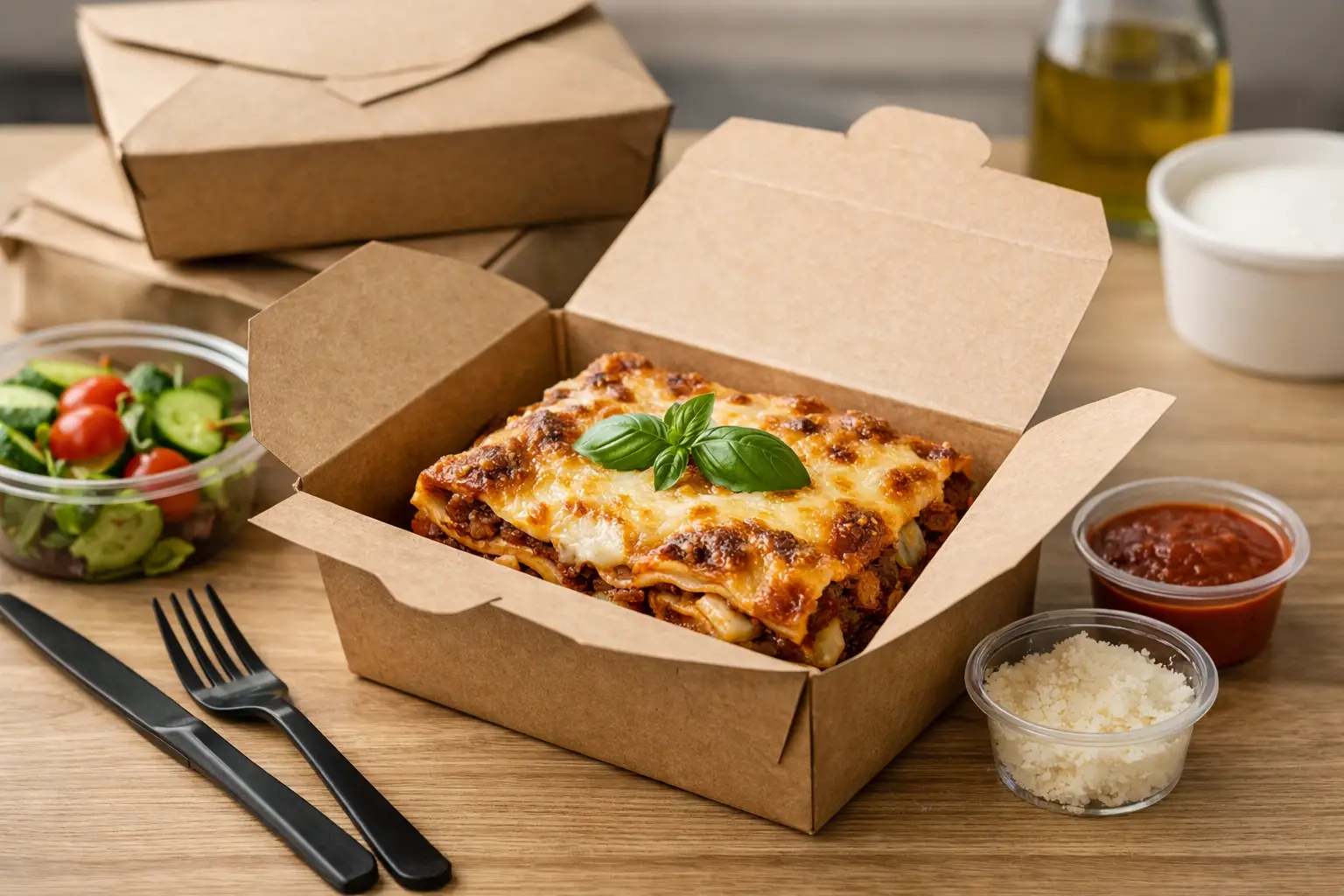 Takeaway lasagne shouldn’t be a quick fix eaten hurriedly at your desk. When done properly, they’re a real meal, a dinner that pleases everyone, and a concrete way to bring Bologna home without losing the character of the dish.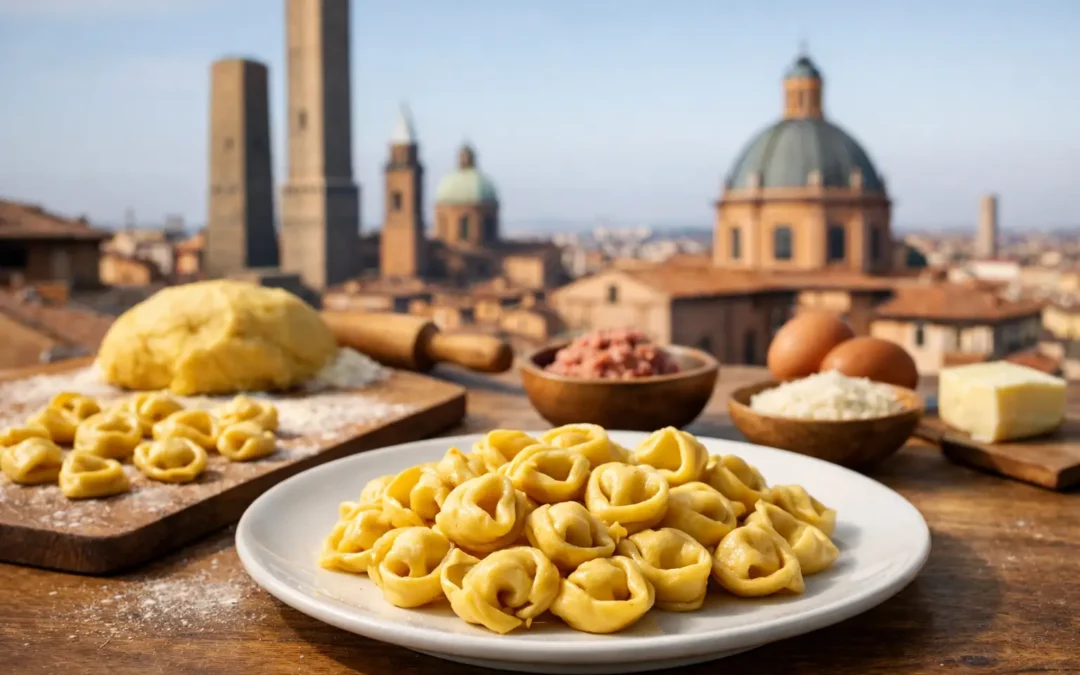
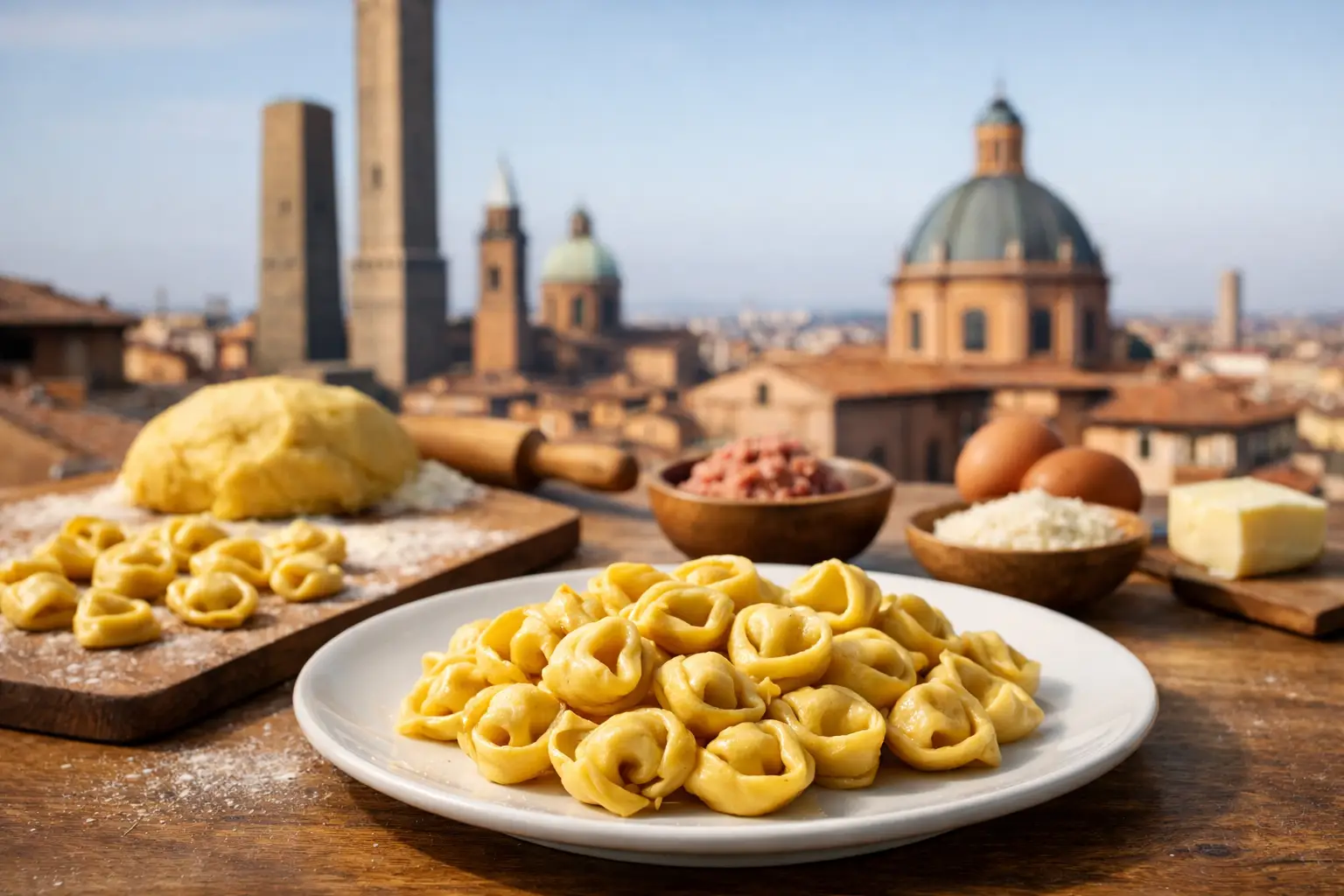 At twelve-forty, in the center, Bologna is on the move: those leaving the office have little time, those visiting the city want to eat well, and students look for something truly filling. Searching for “tortellini Bologna centro” doesn’t just mean finding a typical dish near you. It means choosing whether to settle for just any pasta or to stop for tortellini with a specific history, a well-rolled dough, and a filling that speaks Bolognese.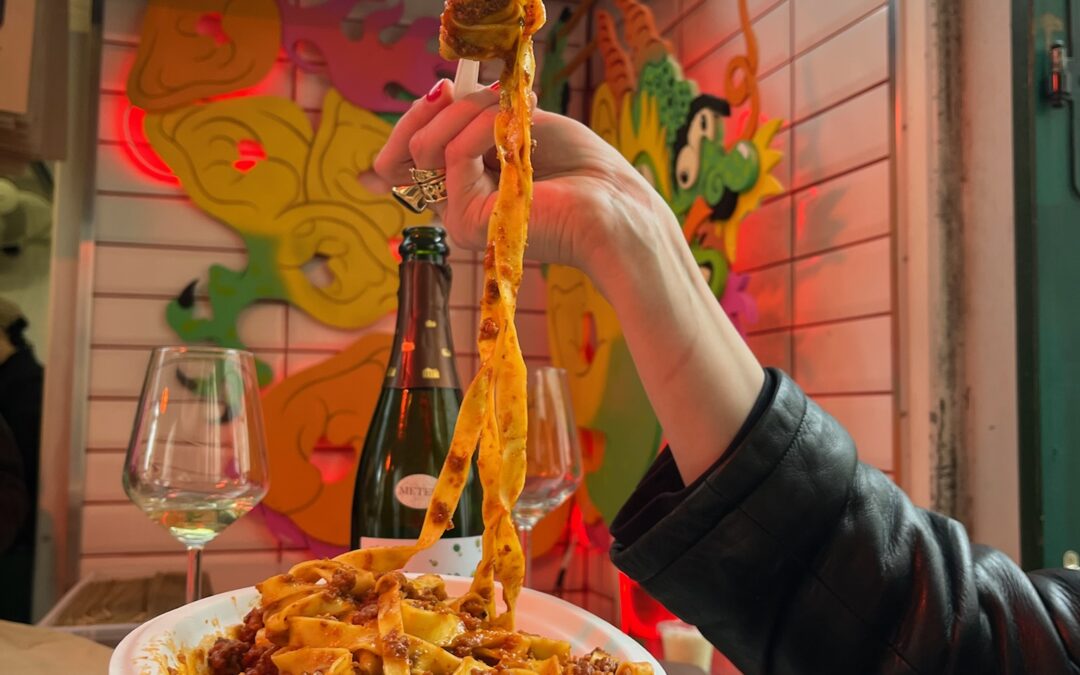
 ERRELAB is our fresh pasta and sauce workshop where we produce all our products.