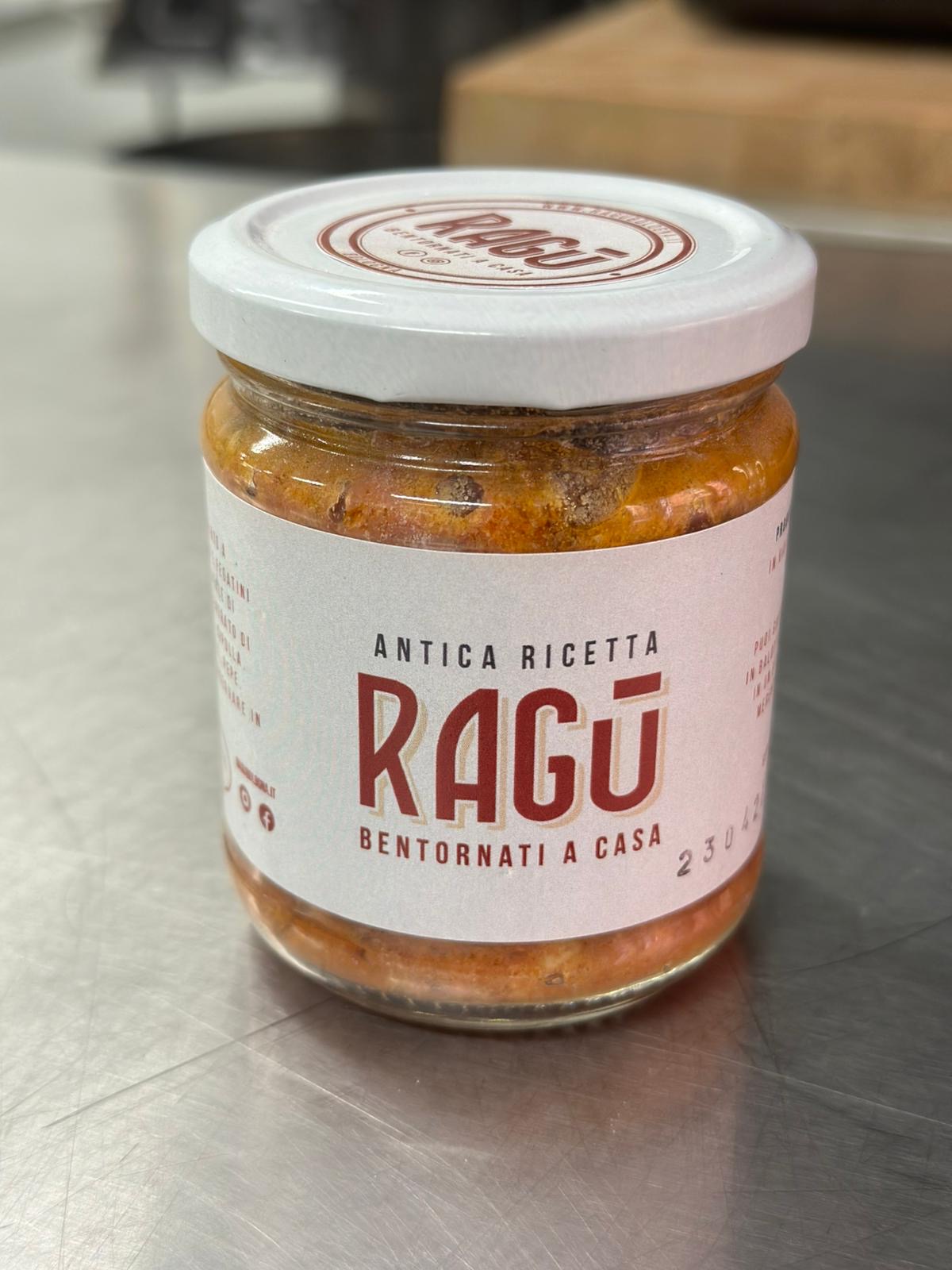
 Buying artisanal Bolognese ragù doesn’t mean choosing a jar with a nice label. It means bringing home a piece of serious cooking: patient soffritto, well-worked meat, slow cooking, and a balance that needs no special effects. In Bologna, ragù isn’t a shortcut for dressing pasta. It’s a precise, familiar, everyday matter.
When there’s no time to cook it from scratch, a well-made artisanal ragù can save dinner without turning it into a compromise. But you need to know what to look for, how to store it, and above all, which pasta to serve it with.
What Makes a Bolognese Ragù Artisanal
The word artisanal alone isn’t enough. A credible ragù is recognized first by its method. It starts from a base of finely chopped vegetables, lets the meat develop flavor without rushing, and finds in tomato a measured presence, not a dominant one. The result should be rich but not heavy, compact but not dry, fragrant with cooking and not added aromas.
Meat is central. Bologna tradition calls for a beef-based preparation, with possible pork components depending on recipe and kitchen interpretation. There’s no need to look for an identical formula in every workshop: each hand can have its own balance. What matters is that the meat remains recognizable, that it isn’t covered by excess tomato purée, and that it isn’t reduced to an indistinct consistency.
Time also plays its part. A ragù doesn’t improve because it cooks for a magic number of hours, but because it’s watched as it changes: the soffritto softens, the meat binds to the base, the liquids concentrate. Haste leaves flavors separate. Careful cooking brings them into agreement.
Buying Artisanal Bolognese Ragù: What to Read
The label is a good starting point, not a philology exam. Look for a clear ingredient list, with meat and vegetables in the first positions, and a composition that makes sense. If tomato opens the list and meat appears after many thickeners or correctors, you’re probably looking at a different type of sauce.
A good preserved product can contain the elements necessary to guarantee its safety and shelf life. That’s not the problem. The difference lies in transparency: understandable ingredients, declared origin when available, readable storage methods and expiration date. A workshop that works well doesn’t need to hide the contents behind vague formulas.
Also observe the quantity. A two-portion jar can be perfect for a quick dinner, while a larger format makes sense if you already know the ragù will end up on tagliatelle, lasagne, or polenta. Once opened, though, treat it like fresh food: refrigerator, clean container if necessary, and consumption within the indicated times.
Price deserves honest consideration. An artisanal ragù costs more than an industrial sauce because it contains meat, manual labor, cooking time, and more limited production. That doesn’t mean high price always guarantees quality, but a price that’s too low can hardly support serious raw materials and long cooking times.
Color and Consistency Tell Something
Bolognese ragù shouldn’t be bright red. It tends toward a warm, brownish-red color, due to the meat, soffritto, and long cooking. A slight fatty layer may appear on top: it’s not an automatic defect—in fact, it can be the sign of a sauce that hasn’t been artificially homogenized. Just stir gently before heating.
The consistency should coat the spoon. If it looks like tomato soup with a few bits of meat, it won’t do its job on the pasta. If it’s too thick, don’t correct it with cold water directly in the jar: recover it in the pan with a spoonful of pasta cooking water, a little at a time.
The Right Pasta Isn’t a Detail
In Bologna, ragù and tagliatelle are a pairing with precise logic. The porous, wide pasta sheet catches the sauce, while its consistency supports the meaty part of the ragù. Spaghetti with ragù can be enjoyable, sure, but it doesn’t tell the same story: the ragù tends to slide off and the bite loses balance.
Fresh tagliatelle remains the most natural choice. Cook them in well-salted water, drain when still elastic, and finish them in the pan with the ragù. No need to drown them. The sauce should cling to the pasta, not float in the plate. A splash of pasta water helps create that binding that makes everything seem freshly made.
Artisanal ragù also has other very serious destinations. In lasagne it becomes part of an ensemble made of pasta sheets, béchamel, and cheese. On soft polenta it finds a more rustic dimension. With tortelloni or stuffed pasta, however, use it sparingly: a delicate filling deserves space and doesn’t always call for an important sauce.
How to Heat It Without Ruining It
A pan remains the best method. Pour the ragù into a small pot and heat over low flame, stirring occasionally. It shouldn’t boil violently: gradual heat keeps the meat tender and prevents the fat from separating too much.
If the ragù comes from the fridge, taking it out a few minutes early can help, but it’s not mandatory. If it’s particularly compact, add a little pasta cooking water. Don’t use cream to make it creamy: it changes the character of the dish and covers the work already done in the kitchen.
A generous portion for two people depends on the pasta and appetite, but generally it’s better to start with restraint and toss well. Bolognese ragù should dress, not hide the pasta. If some is left over, no drama: the next day it can become a warm sandwich with artisanal bread, the base for quick lasagne, or a filling for savory piadina.
When to Choose Ready-Made Ragù to Take Home
There are days when you want Bologna cooking but not to shop, chop vegetables, and watch over a pot for hours. A well-made jarred ragù makes sense right here: during a last-minute organized lunch break, for dinner with friends, after a trip, or as good pantry stock.
It’s a particularly useful choice also for those visiting Bologna who want to take away a concrete flavor, not a generic souvenir. A properly preserved product travels better than fresh pasta and, once home, delivers a simple gesture: open, heat, dress. Quality isn’t only in the moment of purchase, but in the ability to recreate that dish with ease.
At Ragù Bologna, ragù is born from the same idea that guides everyday cooking: homemade preparations, local flavors, and no need to disguise tradition as a trend. It’s food to take and enjoy when needed, at lunch, dinner, or whenever home calls for something good.
One Last Touch Before Serving
Warm the plates. It’s a small detail, but it changes dinner: the tagliatelle stay hot longer, the ragù maintains its consistency, and the aroma reaches the table the right way. Then serve without building too much around the dish. A bit of Parmigiano Reggiano, if you like, and the rest is done by the ragù.
Because an artisanal Bolognese ragù doesn’t seek easy applause. It seeks a fork, well-made pasta, and someone who truly stops to eat.