by | Sep 17, 2026 | Senza categoria
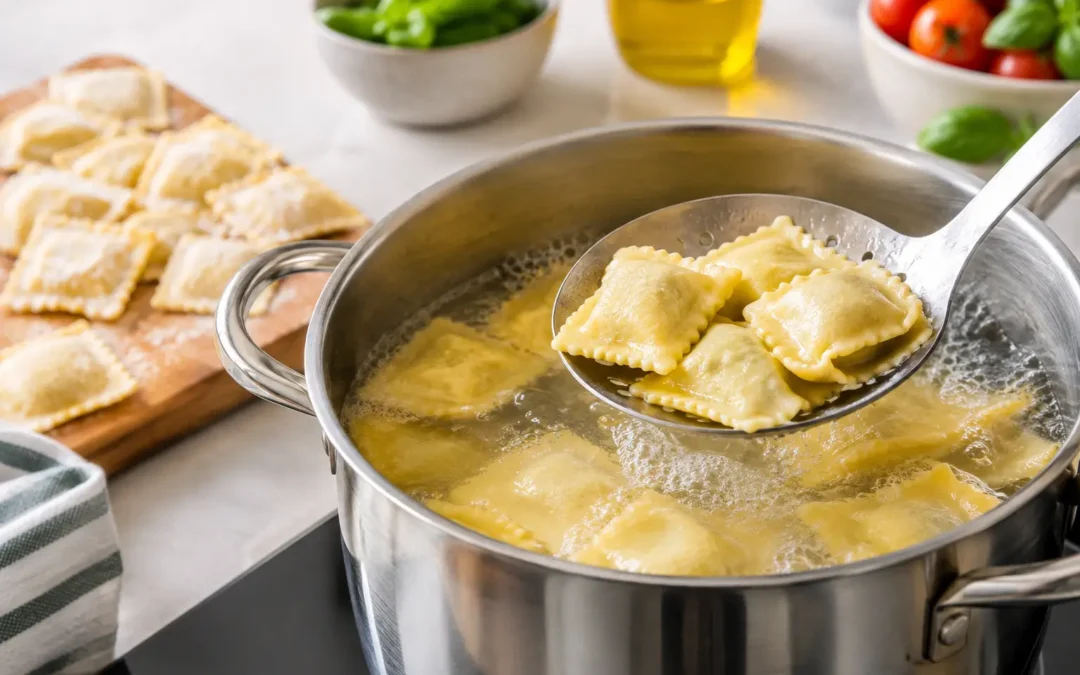
Well-made filled pasta deserves respect even in the final step: the pot. This filled pasta cooking guide starts here, from a seemingly simple gesture that can either keep a tortellino intact or open it, empty it, and ruin hours of dough and filling. You don’t need chef-level acrobatics. You need plenty of water, carefully timed cooking, and a gentle hand.
Tortellini, tortelloni, ravioli, cappelletti: each shape has its own size, but the rule remains the same. Filled pasta doesn’t cook with haste or distraction. It’s fresh, delicate, and already carries the seasoning that matters inside.
Guide to Cooking Filled Pasta: Before the Pot
Let’s start with what seems obvious. Choose a wide, roomy pot, especially if you’re cooking tortelloni or large ravioli. The pieces need to move freely without being pressed against each other: fewer collisions, less risk of the edges opening.
The water must be plentiful. As a practical reference, consider about one liter for every 100 grams of pasta. It’s not a rigid formula, but it helps maintain the boil when the pasta enters the pot. If there’s too little water, the temperature drops too much and the pieces tend to stick.
Salt when the water boils. For filled pasta to be served with butter and parmesan, or with a light sauce, the water can be flavorful without overdoing it. If the filling is already bold, like the classic tortellini with meat and cheese, go a bit lighter. The point is to complement the flavor, not cover it.
No oil in the water. It doesn’t really prevent the pasta from sticking and can make it harder for the sauce to adhere to the dough. To keep the pieces from sticking together, the simplest thing is enough: add them properly and move them gently in the first few seconds.
Fresh Pasta: The Boil Shouldn’t Be Aggressive
When the water reaches a rolling boil, lower the heat slightly before adding the pasta. You’re not looking for a still pot, but not a furious boil that slams tortellini and ravioli against the sides and bottom either.
Add the pasta a little at a time, distributing it over the surface. Give one gentle movement with a wooden spoon or slotted spoon, just to separate any pieces that are close together. Then let it work. Stirring constantly is one of the most common mistakes: fresh dough is thin and the sealed edges don’t need to be tested every ten seconds.
Times depend on the thickness of the dough, the size of the shape, and the starting temperature. Fresh pasta just made or kept in the refrigerator cooks in a few minutes. Small tortellini may need about 2-4 minutes, tortelloni 3-5 minutes, while very large ravioli or those with thicker dough can take 5-7 minutes.
These are guidelines, not verdicts. The timer is useful, but tasting is what decides. Take a piece with the slotted spoon, wait a moment to avoid burning yourself, and taste a corner of the dough. It should be cooked, soft but not mushy, with a barely perceptible resistance. If the pasta stays in the water too long, the filling continues to heat, the dough loses tension, and the risk of opening increases.
A signal to read intelligently is when they float to the surface. Many filled shapes rise when they’re close to being done, but that doesn’t automatically mean they’re ready. Consider it a bell: from that moment, check the time and taste.
Tortellini in Broth: A Gentler Cooking
Tortellini in broth deserve separate discussion. The broth shouldn’t boil violently: it should simmer. A steady simmer protects the shape of the tortellini and keeps the serving liquid cleaner.
Cook them directly in the broth you’ll bring to the table, if the quantity and quality of the broth allow. This way the dough absorbs flavor and the dish arrives with that full balance that in Bologna doesn’t need special effects. If you need to cook large quantities, you can use a separate pot with light broth and transfer the tortellini to the serving broth shortly before plating. It’s a practical solution, but requires care not to cook them twice.
Frozen Filled Pasta: Don’t Thaw It
Frozen filled pasta should almost always be placed in water or broth directly from the freezer. Thawing it on the counter is a bad idea: moisture makes the dough fragile, pieces can stick together, and the filling risks deteriorating.
Bring the liquid to a boil, lower the heat slightly, and add the product while still frozen. At first the boil will stop: that’s normal. Wait for it to resume calmly, without raising the heat to maximum to make up time. From that moment, generally allow a few more minutes compared to fresh pasta, often 4-7 minutes for small shapes and 6-9 for larger ones. Here too, the package remains the first reference if it indicates specific times.
Don’t break any pieces stuck together by forcing them with a fork. Leave them in the water for a few moments and separate only when they come apart on their own. Haste is costly, especially when there’s a well-made filling inside.
Draining Without Breaking Everything
A classic colander works, but for ravioli, tortelloni, and very delicate shapes, a slotted spoon is often the better choice. Remove the pasta a little at a time, let excess water drain, and transfer it directly to the pan with the sauce or to the plate.
If you use a colander, make a quick, confident gesture. Don’t shake vigorously and don’t leave the pasta sitting to dry: the dough sticks, cools, and loses that lively texture you were looking for. Set aside a small cup of cooking water, especially if the sauce is melted butter, parmesan cream, or ragù. A little is enough to make it more fluid and coating.
With filled pasta, tossing doesn’t mean roughing it up. Let the sauce slide over the pieces with soft movements, perhaps moving the pan by the handle. A spoon can help, but without pressing on the edges. The raviolo doesn’t have to prove it’s sturdy: it has to arrive intact on the plate.
The Sauce Also Determines the Temperature
A ricotta and spinach tortellone often calls for butter, sage, and parmesan. A pumpkin raviolo goes well with brown butter, amaretti, or a touch of mostarda, but each addition should be measured. If the sauce is too dry, the dough sticks. If it’s too abundant, the flavor of the filling disappears.
With ragù the discussion changes: the sauce must be hot and already ready, not waiting for the pasta in a cold pan. Transfer the cooked pasta into the sauce for just the time needed to coat it. Tortelloni aren’t tagliatelle: they don’t need a long toss in the pan.
The plate matters too. Serve on warm plates, especially in cold months or when the sauce is butter and cheese. Filled pasta loses heat quickly and, with the heat, also loses some of its softness.
Mistakes That Open Ravioli and Tortellini
Almost always the problem isn’t a single gesture, but a sum of small oversights. Too little water, aggressive boiling, overcrowded pot, pasta stirred too energetically, or cooked beyond necessary: this is enough to go from a generous dish to an emptied dough.
Also pay attention to storage. Fresh pasta should be kept in the refrigerator and cooked within the recommended times. If it’s been heavily floured, remove the excess before cooking: a small amount is normal, too much flour dirties the water and weighs down the result. If instead you’ve made the pasta at home and want to freeze it, first arrange it well spaced on a tray. Only after it’s hard can you gather it in a container.
Good cooking doesn’t make noise and doesn’t ask for filters. It brings to the table thin dough, a filling still in its place, and that first bite that says everything. At that point do just one thing: serve immediately, with parmesan available and without letting the pasta wait for you.
by | Sep 15, 2026 | Senza categoria
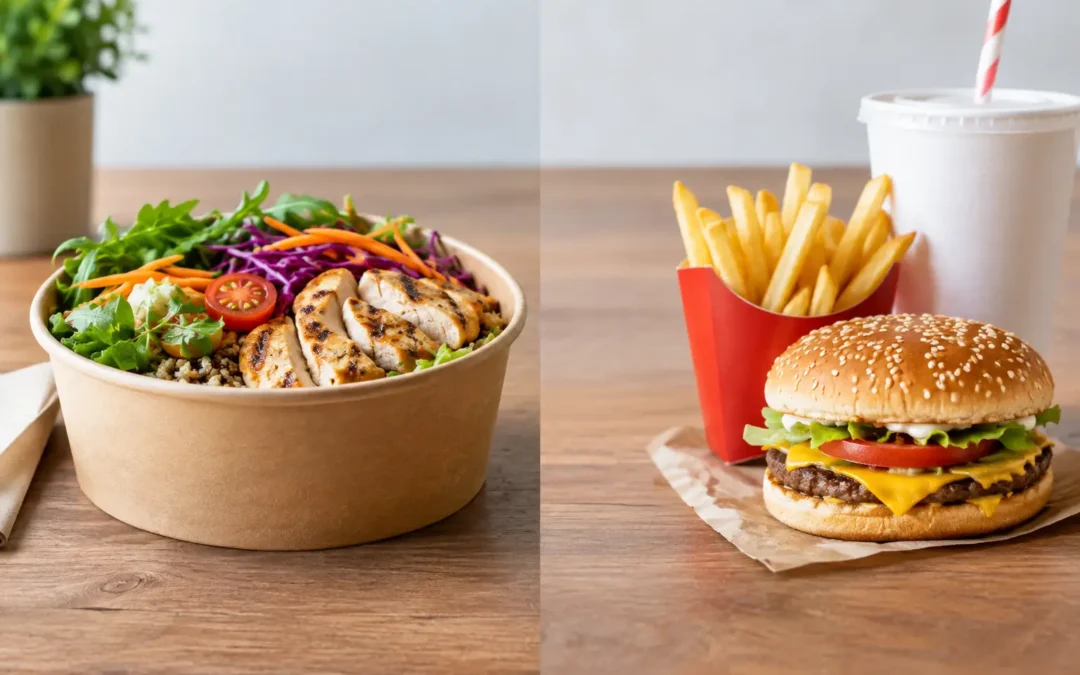
At 1:20 PM, between a lecture, an office shift, and a train to catch, hunger doesn’t wait. The comparison between artisan takeaway versus fast food starts right here: not from a race to see who’s faster, but from the most concrete question of all. What are you really eating, and what do you want that lunch to do for your day?
A standardized sandwich and a plate of tagliatelle al ragù can both solve a quick lunch. But they arrive in the container by very different routes. On one side, there are processes designed to repeat the same result on a large scale. On the other, there are hands, cooking times, recognizable ingredients, and recipes that belong to a place. Convenience doesn’t have to taste like haste.
Artisan takeaway vs. fast food: the difference starts in the kitchen
The first difference isn’t in the packaging or the price on the menu. It’s behind the counter. Classic fast food works on standardization: calibrated portions, often pre-processed ingredients, procedures designed to serve many people in the shortest time possible. It’s an efficient, predictable model and, in certain situations, practical.
Artisan takeaway starts instead from preparation. The fresh pasta dough is rolled, the ragù cooks in its own time, the bread is made in-house, the sauces are born in the kitchen that serves them. This doesn’t mean every wait has to be long or that a quick lunch has to become a three-hour ritual. It means speed comes after the work, not instead of the work.
A ready-to-go lasagna can be served quickly because it was prepared well beforehand, not because it came from an anonymous system. It’s a simple difference, but decisive: craftsmanship makes a thoughtfully made dish accessible, even when you only have half an hour for lunch.
The ingredients aren’t a detail
When the ingredients are few, you taste them all. In tagliatelle al ragù, the texture of the pasta matters, the balance of the sauce, the quality of the meat, the cooking base. An Italian name on the sign or an appetizing photo isn’t enough to get that result.
In artisan food, the ingredients don’t need to put on a show: they need to carry the dish. A well-sealed tortellino, a tortellone with a clean filling, a slice of bread with a real crust tell a precise story. These are details that might not end up in a story, but they end up in the taste. Fewer hashtags, more ragù.
Time: fast doesn’t mean rushed
There’s a misconception to leave behind: choosing artisan doesn’t mean always having more time to waste. For those who live, work, or study downtown, the point is exactly the opposite. You need a place that knows how to be quick without treating the customer like a number and lunch like indistinct fuel.
Fast food has built its strength on immediacy. You order, pick up, eat. It’s a clear promise, and it would be pointless to deny its usefulness when you have few minutes, a tight budget, or want a choice without surprises. But craftsmanship can offer a different kind of speed: that of an organized kitchen, with fresh preparations and a menu that knows what it wants to be.
A good takeaway doesn’t ask you to slow down your life. It keeps you from slowing down the taste. You can take away a complete dish, eat it at the office, on a bench when the sun allows, or at home in the evening. The difference is that, opening the container, you still recognize a meal and not just an emergency solution.
The price tells only part of the story
The economic comparison should be made without slogans. Fast food can seem more affordable because it works on volume, very large supply chains, and highly standardized products. Sometimes it really is the least expensive choice in the moment. If your only criterion is spending as little as possible, that difference matters.
But it’s worth looking at the value of the meal too. A portion of fresh pasta with a sauce prepared in the kitchen, selected ingredients, and a local recipe isn’t evaluated just by counting euros. Satisfaction matters, how pleasantly the dish stays with you matters, whether you’re buying something generic or the work of someone who cooks matters.
Artisan isn’t automatically better just because it’s artisan. It can be expensive without reason, confused, or not very careful. That’s why it’s worth observing concrete signs: is the menu clear? Do the dishes have identity? Can you tell what’s actually made? Can the cook explain what they’re serving? Quality doesn’t need complicated words, but it must be verifiable on the plate.
Taste and memory: when takeaway speaks of place
In Bologna, eating isn’t just choosing between hungry and not hungry. It’s also recognizing a language made of fresh pasta dough, broth, ragù, mortadella, bread, and conviviality. For those arriving from elsewhere, it’s the most direct way to meet the city beyond the shop windows. For those who live here, it’s a matter of expectations: certain things must be done right.
Fast food tends to be the same everywhere, and that’s precisely its promise. You already know what you’ll find. Artisan takeaway, instead, can change from neighborhood to neighborhood, from kitchen to kitchen, from recipe to recipe. It won’t always be identical, and it shouldn’t be. A ragù has a signature, not a serial number.
This identity is useful even when you want to bring something home. A jar of well-made ragù or a portion of fresh pasta aren’t just shelf products: they’re a concrete way to extend a lunch, organize a dinner without giving up the character of the dish, or give a gift that tastes like Bologna.
It’s not just about calories
Talking about food without moralizing is possible. No single meal defines a person’s habits, and no one needs to feel judged for a quick choice. But frequency matters. If the quick lunch becomes daily, it’s worth looking for alternatives with more readable ingredients and preparations less dependent on industrial formulas.
An artisan dish isn’t automatically light, nor should it pretend to be. Lasagna is lasagna, ragù is ragù. The question is different: sensible portions, full flavors without unnecessary excess, recipes that don’t have to compensate for weak ingredients with sugars, salt, or overpowering sauces.
Variety helps too. One day tortellini, another a well-prepared meat dish, a sandwich made with good bread, a dinner to share. Eating well away from home doesn’t mean chasing nutritional perfection. It means having options that don’t force you to choose between pleasure, practicality, and recognizability.
Service and waste: the part you often don’t see
The takeaway container is necessary, but it’s not neutral. Those who prepare food for takeaway have a responsibility to reduce waste where they can, without compromising hygiene and quality. This concerns packaging, certainly, but also the organization of production, the use of ingredients, and the way a beverage offering is built.
In the case of draft cocktails, for example, a well-designed system can reduce single-use glass and transport compared to many separate bottles, while maintaining attention to ingredients and recipe. It’s not a medal to pin on your chest: it’s operational work done better.
Here too, there are no absolute formulas. A small place isn’t sustainable by definition and a large chain isn’t irresponsible by nature. The useful question is whether the place takes seriously what it buys, prepares, and discards. Credible craftsmanship passes through here too.
When to choose one or the other
There are days when you want the quickest, most economical, and most predictable solution possible. No taste tribunal will come looking for you. But if you’re looking for a lunch or dinner that has the rhythm of the city without losing its substance, artisan takeaway changes the perspective.
Ragù Bologna was born from this idea: Bolognese cuisine made in-house, ready to be eaten immediately or taken home, without turning tradition and fresh pasta into a postcard. A quick dish can have deep roots.
Next time you’re hungry and short on time, look beyond the minute of waiting. Choose the place you’d want to return to even if you weren’t in a hurry: that’s often where a good lunch begins.
by | Sep 14, 2026 | Senza categoria
Screenshot
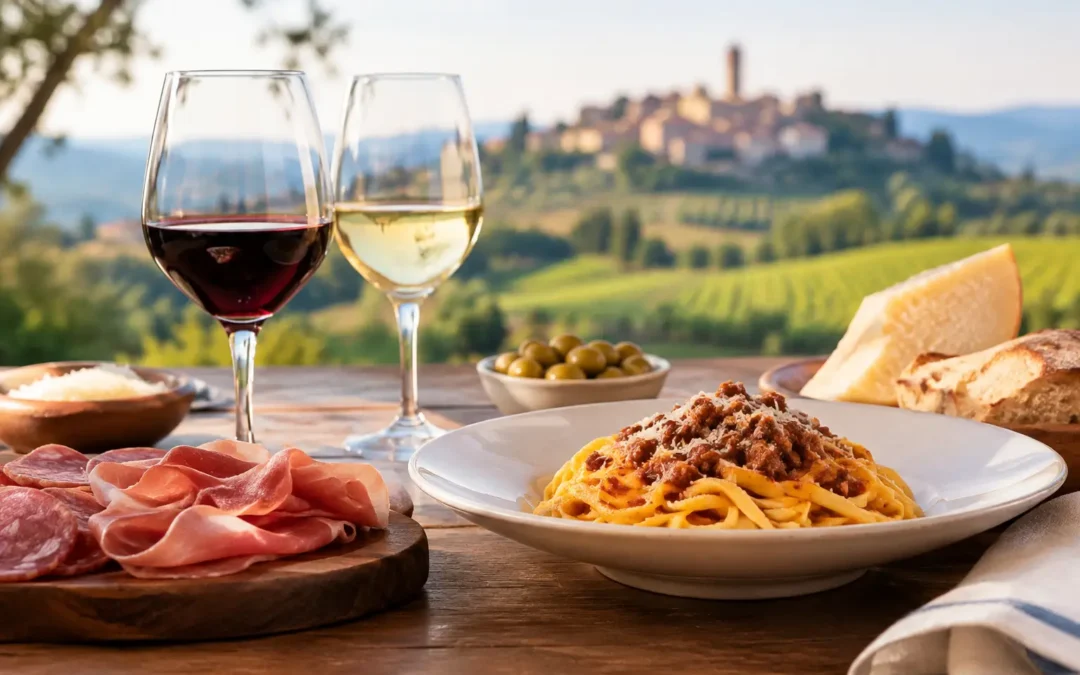
A forkful of tagliatelle al ragù calls for character, not a wine that wants to steal the show. Emilia Romagna wines have exactly this quality: they know how to be straightforward, local, and generous at the table. From sparkling reds poured chilled to whites from the hills, wine here is born to sit alongside a real dish, a slice of bread, or a quick chat before dinner.
The region doesn’t have just one style. Emilia is about plains, cured meats, stuffed pastas, and bubbles. Romagna brings hills, clay soils, intense white grapes, and drier reds. Reducing everything to Lambrusco would be easy, but wrong. Lambrusco is a beautiful flagship, but it’s not the only one.
Emilia Romagna Wines: Two Souls, One Table
Wine-producing Emilia-Romagna follows almost a horizontal line, from the Piacenza area all the way to Rimini. Soils, exposures, grape varieties, and habits change, but one simple idea remains: wine must accompany the food, not overshadow it. It’s a philosophy you understand immediately in Bologna, especially when faced with well-made fresh pasta.
In the Emilian part, fresh, often lively wines dominate, with acidity and fruit. They are natural allies for mortadella, ciccioli, cured meats, crescentine, and rich first courses. In Romagna, alongside the bubbles, you’ll find Albana, Trebbiano, and Sangiovese: wines that can have more structure, depth, and a hilly character.
The rule isn’t to choose the most expensive wine or the one with the highest alcohol content. The rule is to look for balance. If the dish is oily, you need freshness. If it’s savory, you need a sip that cleanses the palate. If it’s delicate, it’s better to avoid aggressive tannins or overpowering aromas.
Lambrusco: The Red That Should Be Served Chilled
Let’s start with what everyone knows but doesn’t always truly understand. Lambrusco isn’t just one wine: it’s a family of grape varieties and interpretations, from dry to semi-dry, from light to more concentrated, from transparent ruby to deep purple. Its bubbles can be delicate or more pronounced, but its function at the table remains very clear: to lighten the meal without diminishing it.
A Lambrusco di Sorbara tends to be lighter, fragrant, and crisp. It often has notes of small red fruits, violet, and a sharp freshness. It’s a brilliant choice with mortadella, prosciutto, light fried foods, and tortellini in brodo, where a still red would risk making everything too heavy.
Grasparossa di Castelvetro is darker, more full-bodied, and tannic. It works well where the bite has more intensity: sausage, grilled meat, lasagne, and heartier ragùs. It shouldn’t be thought of as a backup to a ‘major’ red. It’s important in its own way, because its liveliness allows it to tackle fat and saltiness without becoming heavy.
Salamino di Santa Croce often sits in the middle: intense color, full fruit, good structure. It’s the Lambrusco to keep in mind for an informal dinner with different dishes on the table. The only thing to watch is the temperature: if it’s too warm, it loses its spark. Serve it cool, not ice-cold, around 11-13 degrees. Fewer useless rituals, more pleasure.
With Ragù: Dry and Without Hesitation
With tagliatelle al ragù or lasagne, a dry Lambrusco is a very Emilian and very sensible choice. The meat sauce has an underlying sweetness, concentration, and fat. The bubbles and acidity restore order to the palate between one bite and the next.
Those who prefer a still red can look for a young Sangiovese di Romagna, with little oak influence. It works well, but Lambrusco has a practical advantage: it makes the meal more agile, even when the portion is generous. And with ragù, that’s no small detail.
Pignoletto: The White of the Bolognese Aperitivo
If Lambrusco tells the story of the more convivial side of Emilia, Pignoletto tells the story of the hills around Bologna. It can be found still, frizzante, and sparkling. The lively versions are the ones that most easily enter everyday life: they have floral and light fruit aromas, a fresh streak, and straightforward drinkability.
A good Pignoletto shouldn’t be confused with a neutral white. When well-made, it retains tension, a slightly bitter note, and a personality that stands up to food. Try it with crescentine and cold cuts, with fresh cheeses, with fried vegetables, or with a well-stuffed sandwich. In these pairings, it doesn’t look for applause: it does its job and lets the food do the talking.
For an aperitivo, the sparkling version has a more festive pace. The frizzante version, often more rustic and immediate, is perfect when the table is full of things to share. It depends on the moment. A very aromatic and structured bottle can be interesting, but it’s not always the best choice to start a dinner based on Bolognese cuisine.
Albana di Romagna: The White That Deserves a Dish
Albana is one of the most recognizable wines of Romagna and has nothing in common with a distracted, automatic aperitivo white. It can be dry, passito, still, or sparkling. In the dry version, when well-interpreted, it brings yellow flowers, peach, herbs, salt, and an almost tannic texture that makes it gastronomic.
It’s a wine to put on the table with ricotta and spinach tortelloni, stuffed pastas with butter and sage, white meats, roasted vegetables, and medium-aged cheeses. Its slight grip on the palate might surprise those looking only for softness, but that’s exactly where its charm lies: it has a backbone.
Albana passita is another chapter. Sweet, intense, to be served in small doses, it accompanies dry pastries and blue cheeses. It’s not a wine to be poured distractedly at the end of a meal. It requires time and a thoughtful pairing, but when it finds the right context, it leaves a mark.
Sangiovese di Romagna: The Red of the Hills
Sangiovese di Romagna is often sunnier and rounder than other Italian Sangiovese, while still maintaining its fresh streak. Cherry, plum, violet, light spices: the profile changes a lot according to the area, vintage, and the producer’s hand. Some bottles are lean and for everyday drinking, others age in wood and seek greater complexity.
With a Bolognese ragù, a lasagna, or roasted meat, the young and lightly oaked version is almost always the most appropriate. Heavy wood, dense tannins, and high alcohol can mask the sweetness of the pasta and the finesse of the sauce. A balanced Sangiovese, on the other hand, accompanies the meal continuously and doesn’t tire you out after the second glass.
It’s also a useful wine when there are different tastes at the table. It doesn’t have the bubbles of Lambrusco, but it has enough energy to go from a fresh pasta course to a meat dish. If you’re looking for a still red from Emilia-Romagna for dinner, this is the place to start.
Other Wines to Look For Without Being a ‘Wine Tourist’
The region has many other bottles that deserve curiosity. In the Piacenza Hills, aromatic Malvasia di Candia, Ortrugo, and Gutturnio offer fragrance, freshness, and a lively table red, respectively. Gutturnio, born from the blend of Barbera and Croatina, can be sparkling or still and goes beautifully with cured meats, meats, and rustic dishes.
In the hills of Parma and Reggio Emilia, besides Lambrusco, you’ll find whites and reds from small producers capable of telling the story of local cuisine without unnecessary constructions. In the Ferrara area, Fortana brings a light red, often lively, with acidity and subtle tannins. It’s worth trying with salama da sugo or savory preparations if you want to step away from the usual names.
You don’t need to chase rare labels to drink well. It’s better to ask how the wine was produced, if it’s dry, if it’s sparkling, if it’s been oaked, and which dish it’s recommended with. These are four practical questions that avoid random purchases.
How to Choose a Bottle for Takeaway
The right wine also changes based on where and how you’ll be eating. If you’re taking home tortellini in brodo, choose a Sorbara or a lively Pignoletto: fresh, not bulky, easy to serve. With tagliatelle al ragù, lasagne, or meat, go for dry Lambrusco, Grasparossa, or a young Sangiovese. For tortelloni and vegetable dishes, a still Pignoletto or dry Albana can provide a more precise answer.
One last practical tip: open the bottle at the right time and use whatever glass you have, without stress. Lambrusco and Pignoletto need to be cool. Albana and Sangiovese need a few minutes to breathe, not a ceremony. Emilia-Romagna cuisine is made for being together: the wine should follow the same rhythm.
In Bologna, between a lunch break and a dinner taken home, this is perhaps the most authentic choice: pasta made as it should be, a local bottle, and zero need to complicate what is already good. Welcome back to the table.
by | Sep 13, 2026 | Senza categoria
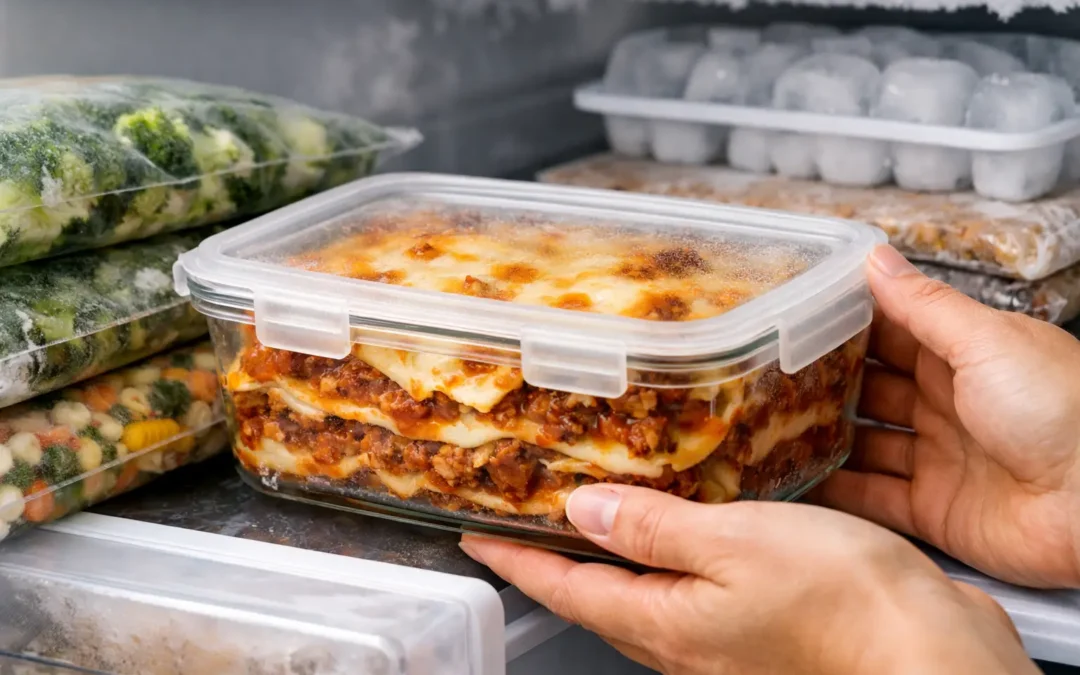
A well-made baking dish of lasagne is never a small portion. And rightly so: pasta sheets, ragù, béchamel, and that crispy top deserve time, not haste. But can you freeze lasagne? Yes, and doing it properly means finding it on your table with texture and flavor intact, not with a pool of water at the bottom of the baking dish.
Freezing is a practical way to organize lunches, dinners, and leftovers without throwing anything away. The rule, however, is simple: freeze a fresh product, cooled properly and protected from air. The freezer preserves what you entrust to it; it doesn’t fix lasagne that’s already been left too long on the kitchen counter.
Can you freeze lasagne cooked or uncooked?
Both options work. The choice depends on how much time you have, the space in your freezer, and the result you’re looking for when serving.
Already-cooked lasagne is the most practical solution when you have leftover portions or when you prepare a baking dish in advance. Just thaw and reheat carefully: a ready meal, with the hard work already done. It’s also the ideal method for dividing a baking dish into single portions, useful for those who come home late, study, work in the city center, or don’t want to eat the same thing three days in a row.
Freezing uncooked lasagne is a good choice for those who want to get ahead with preparation. Assemble the baking dish with cold ingredients, cover it, and put it in the freezer before the oven step. When the time comes, you can cook it directly from frozen or let it thaw in the refrigerator. The result tends to be very close to that of a baking dish prepared on the spot, especially if the pasta sheets and fillings are well balanced.
There’s an important detail: if you’ve used already-thawed ingredients, especially meat or ragù, don’t refreeze them without cooking them first. Food safety comes before convenience. Lasagne prepared with cooked ragù can be frozen, but ingredients must always be handled carefully and without continuous transfers between freezer, refrigerator, and room temperature.
Before the freezer: cooling makes the difference
Cooked lasagne must be cooled completely before being frozen. This doesn’t mean leaving it out all evening. Let it cool down for the necessary time, then transfer it to the refrigerator if you can’t package it immediately. Generally, it shouldn’t remain at room temperature for more than two hours.
Freezing a still-warm baking dish creates condensation. That moisture will become ice, then water during thawing, and the pasta sheets risk losing structure. Additionally, hot food raises the internal temperature of the freezer and stresses everything already stored there.
To get neat slices, cool cooked lasagne in the refrigerator for a few hours before cutting. The filling settles, the layers become more compact, and portioning is much easier. It’s not a kitchen affectation: it’s the simplest way to avoid breaking the pasta sheets while trying to separate portions.
The right container protects the flavor
The enemy isn’t the cold, it’s the air. Lasagne exposed to the freezer absorbs odors, dehydrates on the surface, and can develop that dry film that especially ruins the corners. That’s why careful sealing is needed.
If you’re freezing a whole baking dish, choose a container suitable for the freezer and, if necessary, the oven. Cover the surface with plastic wrap in contact only when it’s cold, then add a second protective layer, such as a lid or well-sealed aluminum foil. If you use an aluminum container, remember it doesn’t go in the microwave.
For single portions, wrap each slice with plastic wrap or food-safe paper and place it in an airtight container or freezer bag. Try to eliminate as much air as possible without crushing the lasagne. Always write the date and contents: after a few weeks, a portion of lasagne and a portion of parmigiana can become mysteriously similar.
Is it better to freeze in portions? Almost always yes. You thaw only what you need, reduce waste, and reheat more evenly. The whole baking dish makes sense for a family lunch, dinner with friends, or when you already know it will be finished.
How long does frozen lasagne last?
From a safety standpoint, if the freezer maintains a stable temperature of around -18 °C, lasagne can remain frozen for a long time. To truly enjoy flavor and texture, however, the recommendation is to consume it within two or three months.
Over time it doesn’t automatically become inedible, but it loses quality: the pasta sheets can dry out, the fats in the ragù can change aroma, and the béchamel can separate slightly. An organized freezer helps more than it seems. Put new preparations in the back and consume those with the oldest date first.
Avoid freezing lasagne that’s been in the refrigerator for days. If you know you won’t eat it soon, freeze it within one or two days of cooking. This also applies to a store-bought baking dish: if it’s been transported and stored properly, better to decide immediately whether to enjoy it or set it aside for another evening.
How to thaw without causing damage
The best method is slow: from freezer to refrigerator, overnight. A single portion may require 8 to 12 hours; a whole baking dish even 24 hours. This way moisture redistributes gradually and the layers remain more stable.
Once thawed, cooked lasagne should be reheated in the oven at around 180 °C, covered for the first part of the time. For a portion, 20-30 minutes may be enough; for a baking dish it depends on thickness and size. In the final minutes remove the cover: the surface becomes golden again, not soggy. The center must be thoroughly hot, not just lukewarm.
If you’re in a hurry, it’s possible to cook lasagne from frozen. Cover it with aluminum foil and bake at a moderate temperature, around 170-180 °C, allowing more time than for a thawed baking dish. For a medium baking dish, 60-90 minutes may be needed. The actual duration varies according to the material of the dish, thickness, and oven power, so always check the center of the preparation.
The microwave can save a lunch break, but it’s more suitable for portions than for baking dishes. Use medium power, take short breaks, and check often. If you can, finish the portion for a few minutes in the oven or in a covered pan: the pasta sheets recover character and the surface doesn’t remain pale.
Common mistakes: little attention, lots of water
The first mistake is freezing lasagne that’s too watery. A well-reduced ragù and béchamel that’s not excessively runny already do half the work. If the fillings are watery before the freezer, they’ll be even more so after.
The second is thawing on the kitchen table. Room temperature encourages unwanted bacterial growth, while the inside is still cold. Refrigerator or oven are the two safest routes.
The third is reheating too quickly and without cover. The corners dry out, the center stays cold, the crust burns before the filling is hot. A covered step, followed by a few uncovered minutes, is a simple and reliable compromise.
Finally, don’t refreeze thawed lasagne. If you’ve reheated too much, store the leftover in the refrigerator and consume it soon. Proper portioning at the start avoids the problem.
Lasagne frozen with care isn’t a sad shortcut: it’s a good baking dish that’s taken a break. Keep a portion ready for busy days. When the oven smells of ragù and golden pasta sheets, even a last-minute dinner can feel made just for you.
by | Sep 11, 2026 | Senza categoria
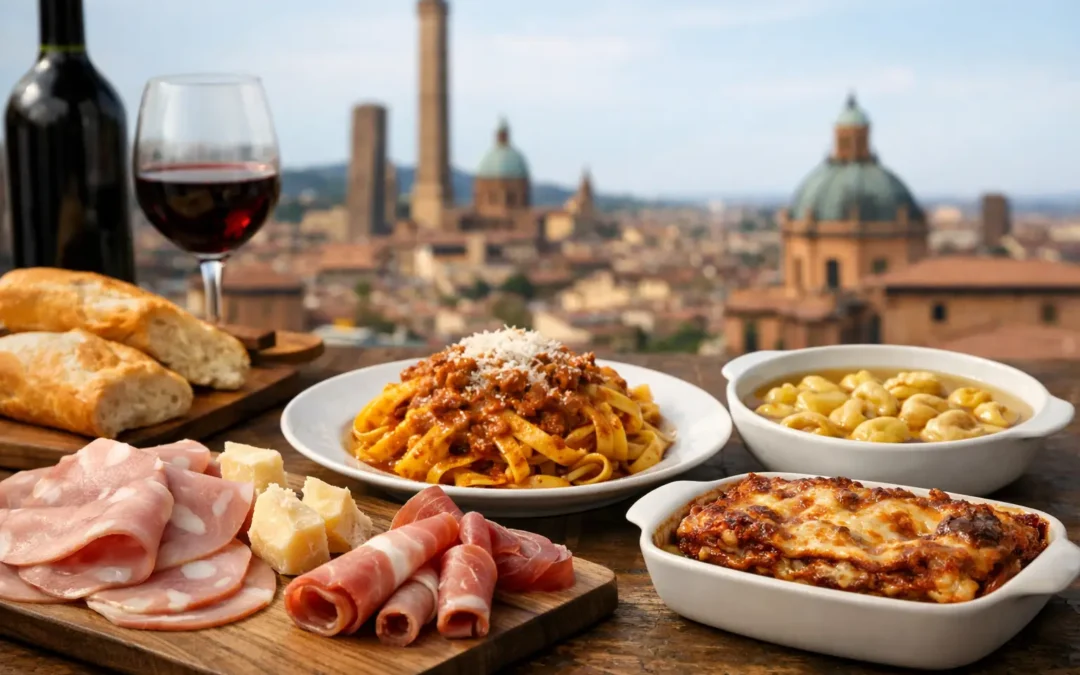
In Bologna, Bolognese food isn’t measured by the number of dishes on the menu, but by a simple question: does this recipe have the time, the touch, and the ingredients it deserves? Here, a sfoglia isn’t just a decorative detail. A ragù isn’t just any red sauce. And even a lunch grabbed on the go can taste like well-made cooking, without unnecessary fuss.
Those arriving in the city often look for tortellini, tagliatelle, and lasagna. Those who live here, however, look above all for a reliable spot: fresh pasta, sauces prepared with care, satisfying portions, and the chance to take home something that still tastes like Bologna. Less foodie postcards, more substance on the plate.
Bolognese food: where to start
Bolognese cuisine is born from concrete ingredients and patient preparation. Flour and eggs become sfoglia; meat, vegetables, and slow cooking become ragù; a well-made broth gives tortellini their true home. It’s not a complicated cuisine for the sake of being so: it’s precise, generous, and not prone to shortcuts.
The common thread is balance. Butter, Parmigiano Reggiano, meat, and broth have character, but they should never turn the dish into a test of strength. Even the best ragù shouldn’t overpower the pasta: it must enter into a dialogue with it. The sfoglia catches the sauce, remains recognizable to the bite, and carries that elasticity that distinguishes fresh-rolled pasta from a rushed solution.
This is why talking about local cuisine means going beyond famous names. Two plates of tagliatelle can look the same and tell two opposite stories. One is made to hold the ragù, has thickness, porosity, and a lively texture. The other just sits in the sauce. The difference doesn’t need special effects: you feel it at the first forkful.
Tagliatelle al ragù: the dish that allows no distractions
Tagliatelle al ragù is the most immediate dish to understand Bologna. The egg pasta, cut into wide strips, needs a ragù cooked calmly and built in layers. The meat is central, but it’s not alone: the vegetable base, the wine, the tomato used without excess, and time do the most important work.
Authentic Bolognese ragù isn’t a sea of sauce. It’s enveloping, intense, with a clearly recognizable meat texture. The color can vary, as it depends on ingredients and cooking, but the goal remains the same: a full, not heavy, seasoning. The pasta shouldn’t float in the ragù, and the ragù shouldn’t be a background extra.
Then there’s a small truth to remember when talking about tradition: home recipes aren’t all identical. Every kitchen can have a different touch, a passed-down step, a favorite proportion. Tradition isn’t a glass display case. It’s knowledge repeated with respect, without using the word “traditional” as a marketing shortcut.
Spaghetti bolognese? In Italy, they can be a pleasant lunch, but if you really want to know the Bolognese dish, choose tagliatelle. Not to be a professor at the table, but because the shape of the pasta and the consistency of the sauce matter. Here, they matter a lot.
Tortellini and tortelloni: small, but not interchangeable
Saying tortellino in Bologna means talking about filling, folding, and broth. These small treasures of stuffed pasta require manual skill: the sfoglia must be thin, the filling balanced, the shape closed with precision to withstand cooking. A well-made tortellino doesn’t need to be huge to get noticed.
The most classic version comes in broth. The broth isn’t just flavored water: it’s part of the recipe, it gives depth and accompanies the pasta without erasing it. It’s the dish for Sundays, for holidays, for days when you need something familiar. But it’s also a perfect choice when you want to understand how much a kitchen cares about the basics.
Tortelloni play a different game. They are larger and often hold a filling of ricotta and vegetables, like spinach, then are dressed with butter and sage or a sauce that doesn’t stifle their delicacy. Tortellini and tortelloni share the sfoglia, not the function. Ordering them thinking they are the same thing means missing out on two distinct pleasures.
Green lasagna: the cuisine that stays
Lasagna alla bolognese is one of those dishes that everyone agrees on, as long as it’s prepared properly. Green sfoglia, ragù, béchamel, and cheese work together in a sequence of layers. The result must be soft but tidy, rich but not cloying, with a well-browned surface and an interior that cuts without collapsing.
They are also the best example of cuisine designed to stay. At home, a good lasagna can wait for the right moment to be heated and shared. For takeaway, however, it requires attention: the container must protect it, transport must not ruin its structure, and the reheating instructions must be clear. Convenience isn’t worth much if it sacrifices the dish.
How to recognize a good Bolognese takeaway lunch
Eating well with little time doesn’t mean settling. On the contrary, takeaway is a serious test for an artisanal kitchen, because it forces every preparation to maintain quality even outside the dining room. A dish must arrive in order, maintain temperature and texture, and be understandable from the first glance.
To choose, first look at the simplicity of the menu. If a place claims to make fresh pasta, ragù, bread, and sauces in-house, it should be able to clearly indicate what it prepares and how. Vague words are cheap; a handmade tagliatella, a ragù ready to take home, or a tortellone folded one by one are facts, not slogans.
The moment you’ll be eating also matters. For a short lunch break, tagliatelle al ragù or a well-constructed street food format can be the most practical choice. For a dinner to share, lasagna and stuffed pasta have a different pace. If you want to bring Bologna back to your kitchen, a jar of artisanal ragù is only useful if it comes from a recipe that holds up even without the restaurant’s atmosphere.
A good takeaway shouldn’t pretend to be a restaurant with tables. It must do its job well: give access to real cooking, with urban timing. This is the idea that also guides Ragù Bologna: in-house production, local dishes ready to grab, eat, or take away, without turning tradition into a stage costume.
Not just pasta: bread, meat, and aperitivo with criteria
Reducing Bologna to pasta would be convenient, but incomplete. Well-made bread accompanies, mops up a sauce, and becomes part of the lunch. Meats require careful selection, cutting, and cooking. Sauces have the task of completing, not masking, characterless raw materials.
Even the aperitivo can speak Bolognese, if it maintains the same idea of quality. A draft cocktail prepared with serious ingredients and original recipes can stand alongside a bite of local cuisine without trying to steal the scene. It makes sense especially when it makes service faster and limits glass waste and transport, but the glass must remain good: sustainability without taste is just a sign.
The best choice, in the end, depends on hunger, time, and the occasion. But if you want to take away a simple criterion, keep this: in Bolognese food, quality is recognized when every element has a precise reason for being on the plate. Look for that reason, then eat without rushing, even if you only have twenty minutes.
by | Sep 11, 2026 | Senza categoria
In Bologna, Bolognese food isn’t measured by the number of dishes on the menu, but by a simple question: does this recipe have the time, the touch, and the ingredients it deserves? Here, a pasta sheet isn’t a decorative detail. Ragù isn’t just any red sauce. And even a quick lunch can taste like well-made cooking, without unnecessary ceremony.
Those arriving in the city often look for tortellini, tagliatelle and lasagne. Those who live here, however, mainly look for a reliable place: fresh pasta, thoughtfully prepared sauces, satisfying portions and the possibility of taking home something that still tastes like Bologna. Fewer gastronomic postcards, more substance on the plate.
Bolognese food: where to begin
Bolognese cuisine is born from concrete ingredients and patient preparation. Flour and eggs become pasta dough; meat, vegetables and slow cooking become ragù; a well-made broth gives tortellini their true home. It’s not a cuisine that’s complicated for the sake of it: it’s precise, generous and not inclined to shortcuts.
The common thread is balance. Butter, Parmigiano Reggiano, meat and broth have character, but they should never turn the dish into a test of strength. Even the best ragù shouldn’t cover the pasta: it should enter into dialogue with it. The pasta sheet gathers the sauce, remains recognizable to the bite and carries with it that elasticity that distinguishes freshly rolled pasta from a hasty solution.
That’s why talking about local cuisine means going beyond famous names. Two tagliatelle can look the same and tell two opposite stories. One is made to hold the ragù, has thickness, porosity and a lively texture. The other just passes through the sauce. The difference doesn’t need special effects: you feel it at the first forkful.
Tagliatelle al ragù: the dish that allows no distractions
Tagliatelle al ragù is the most immediate dish for understanding Bologna. The egg pasta, cut into wide strips, needs a ragù cooked slowly and built in layers. Meat is central, but it’s not alone: the vegetable base, the wine, the tomato measured without excess and time do the most important work.
Authentic Bolognese ragù isn’t a sea of sauce. It’s enveloping, intense, with a clearly recognizable meat texture. The color can vary, because it depends on ingredients and cooking, but the goal remains the same: a full sauce, not a heavy one. The pasta shouldn’t float in the ragù and the ragù shouldn’t be a bit player.
There’s also a small truth to remember when talking about tradition: home recipes aren’t all identical. Every kitchen can have a different touch, a handed-down step, a preferred proportion. Tradition isn’t a glass case. It’s knowledge that’s repeated with respect, without using the word “traditional” as a marketing shortcut.
Spaghetti with ragù? In Italy they can be a pleasant lunch, but if you want to truly know the Bolognese dish, choose tagliatelle. Not to sound like a food snob at the table, but because the shape of the pasta and the consistency of the sauce matter. Here they matter quite a bit.
Tortellini and tortelloni: small, but not interchangeable
Saying tortellino in Bologna means talking about filling, closure and broth. These small parcels of filled pasta require manual skill: the dough must be thin, the filling balanced, the shape closed with precision to withstand cooking. A well-made tortellino doesn’t need to be huge to get noticed.
The most classic version arrives in broth. The broth isn’t simply flavored water: it’s part of the recipe, gives depth and accompanies the pasta without erasing it. It’s the dish of Sundays, celebrations, days when you need something familiar. But it’s also a perfect choice when you want to understand how much a kitchen cares about the basics.
Tortelloni play a different game. They’re larger and often hold a filling of ricotta and vegetables, like spinach, then are dressed with butter and sage or with a sauce that doesn’t smother their delicacy. Tortellini and tortelloni share the pasta dough, not the function. Ordering them thinking they’re the same thing means missing out on two distinct pleasures.
Green lasagne: the cooking that lasts
Lasagne alla bolognese is one of those dishes that pleases everyone, as long as it’s prepared properly. Green pasta sheets, ragù, béchamel and cheese work together in a sequence of layers. The result must be soft but orderly, rich but not cloying, with a well-browned surface and an interior that cuts without collapsing.
They’re also the best example of cooking designed to last. At home, good lasagne can wait for the right moment to be reheated and shared. For takeaway, however, it requires attention: the container must protect it, transport mustn’t ruin its structure and the instructions for reheating it must be clear. Convenience isn’t worth much if it sacrifices the dish.
How to recognize good Bolognese takeaway
Eating well with little time doesn’t mean settling. In fact, takeaway is a serious test for artisanal cooking, because it forces every preparation to maintain quality even outside the dining room. A dish must arrive in order, preserve temperature and texture, and be understandable from first glance.
To choose, first look at the simplicity of the menu. If a place claims to make fresh pasta, ragù, bread and sauces in-house, it should be able to clearly indicate what it prepares and how. Vague words are worth little; a hand-made tagliatella, a ragù ready to take home or a tortellone closed one by one are facts, not slogans.
The moment when you’ll eat also matters. For a quick lunch break, tagliatelle al ragù or a well-constructed street food format can be the most practical choice. For a dinner to share, lasagne and filled pasta have a different pace. If you want to bring Bologna into your kitchen, a jar of artisanal ragù is useful only if it comes from a recipe that holds up even without the atmosphere of the place.
Good takeaway shouldn’t pretend to be a restaurant with tables. It should do its job well: give access to real cooking, with urban timing. This is the idea that also guides Ragù Bologna: in-house production, local dishes ready to pick up, eat or take away, without turning tradition into a stage costume.
Not just pasta: bread, meat and aperitivo with purpose
Reducing Bologna to pasta would be convenient, but incomplete. Well-made bread accompanies, gathers a sauce and becomes part of the meal. Meats require careful selection, cutting and cooking. Sauces have the task of completing, not masking ingredients without character.
Even the aperitivo can speak Bolognese, if it maintains the same idea of quality. A draft cocktail prepared with serious ingredients and original recipes can sit alongside a bite of local cuisine without trying to steal the scene. It makes sense especially when it makes service faster and limits waste of glass and transport, but the drink must remain good: sustainability without taste is just a sign.
The best choice, in the end, depends on hunger, time and occasion. But if you want to take away a simple criterion, keep this: in Bolognese food, quality is recognized when every element has a precise reason for being on the plate. Look for that reason, then eat without hurry, even if you only have twenty minutes.
by | Sep 9, 2026 | Senza categoria
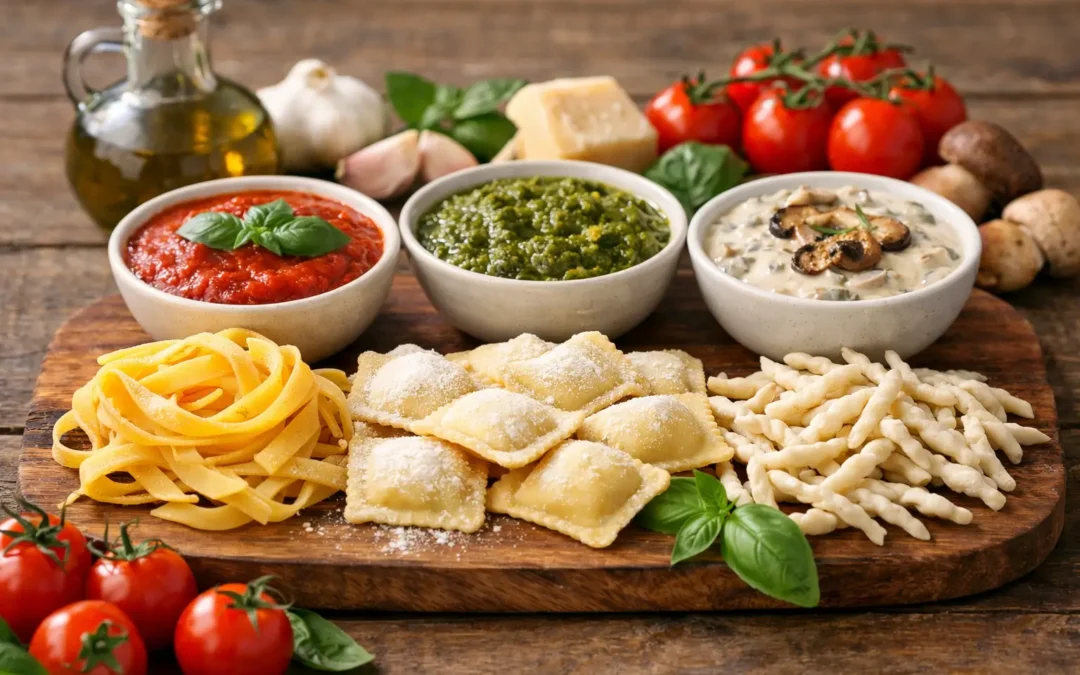
Fresh pasta doesn’t ask for just any sauce. It asks for balance. Understanding how to choose sauce for fresh pasta means respecting the work of hands, the porosity of the dough, and above all, the character of each shape. A sauce that’s too heavy covers everything; one that’s too light slides off and leaves the dish incomplete.
In Bologna we know this well: tagliatelle, tortellini, and tortelloni are not synonyms for pasta. They have different thicknesses, fillings, and purposes. The right sauce isn’t there to make an impression: it’s there to deliver a complete, hot, clean bite from fork to palate. Less spectacle, more substance.
How to Choose the Sauce for Fresh Pasta
The first question isn’t “what do I like?” It’s “what pasta am I cooking?” A wide, rough egg tagliatelle can support a full-bodied ragù. A meat-filled tortellino, on the other hand, finds its balance in broth: the filling remains the star and the pasta keeps its delicacy.
The consistency of the sauce also matters. Fresh pasta absorbs more easily than dried pasta and cooks in just a few minutes. That’s why it needs sauces that are already ready, piping hot, and properly adjusted in thickness. If you wait for the pasta, the sauce concentrates too much. If it’s watery, the pasta sheet gets soggy and loses its structure.
The final criterion is context. For a quick dinner you need a straightforward, reliable pairing. For a holiday table you can go with a richer preparation, perhaps with butter, Parmigiano, and a hint of nutmeg. But rich doesn’t mean confused: two precise flavors almost always work better than five thrown together.
Shape and Sauce: Pairings That Work
Tagliatelle: the ragù must cling
Tagliatelle were made for a meat sauce cooked with patience. Their wide surface holds a well-reduced ragù, with meat that’s present but not reduced to an indistinct cream. The result should be compact, not dry: when you toss the pasta, the sauce should coat each ribbon without pooling at the bottom of the plate.
Here balance is everything. A ragù that’s too liquid won’t stay on the pasta; one that’s excessively oily weighs it down. To toss properly, transfer the tagliatelle to the pan a minute before the end of cooking with a little pasta water. Toss decisively, without breaking them. Parmigiano can complete the dish, not fix a bad sauce.
Even a simple tomato sauce can work, especially with basil and a good amount of Parmigiano. But it’s a lighter pairing, one to choose when you want to taste the egg and wheat of the pasta first and foremost.
Tortellini: the filling sets the course
With tortellini there’s no need to reinvent the wheel. Clear, flavorful broth isn’t a fallback solution: it’s a real sauce, built to accompany the meat filling without covering it. It should be hot but not violently boiling, otherwise the tortellini risk breaking right when you serve them.
If you prefer them dry, melted butter and Parmigiano are a sensible choice. Add the butter to the pan with a spoonful of pasta water, then gently toss the tortellini with delicate movements. Sage can work, but use it sparingly: it should perfume, not take over.
Ragù on tortellini is always divisive. It’s not forbidden, but it requires a light hand and a fine sauce, without pieces that are too large. If the filling is already intense, you risk an overpowering bite where no flavor can stand out.
Tortelloni: room for butter, vegetables, and soft sauces
Tortelloni often have a creamier filling, like ricotta and vegetables. Here the sauce should accompany the softness, not challenge it. Butter and Parmigiano remain a great classic because they add roundness without shifting the balance of the dish.
For a more vegetable-forward version, choose a sweet, low-acid tomato sauce, or sautéed vegetables roughly blended. Squash, mushrooms, and spinach can work, as long as you don’t turn the dish into a collection of soft textures. You always need an element that gives lift: aged Parmigiano, black pepper, fresh herbs, or just a hint of acidity.
Lasagne and baked pasta: the sauce must stay moist
Pasta sheets for baking require different logic. During cooking they absorb liquids, so ragù and béchamel need to be creamy and well distributed. A ragù that’s too reduced, perfect for tagliatelle, can become dry between the layers of lasagna.
Don’t overdo the layers: a tall lasagna isn’t automatically a better lasagna. The cut should stay clean, but the center should be soft. Letting it rest a few minutes out of the oven helps it set without cooling down.
The Rule of Consistency
A good sauce for fresh pasta should be neither watery nor glue. Think of it as an irregular cream, alive: fluid enough to get into the folds of the pasta, thick enough to stay there. Consistency also depends on the shape. A wide pasta wants a more structured sauce; a filled pasta prefers a smoother sauce or broth.
If the sauce is too thick, don’t thin it with cold water. Use a little pasta water, one ladleful at a time. The starch helps bind, but with fresh pasta it needs to be measured: a little goes a long way, because the pasta sheet already releases its own. If the sauce is too thin, let it reduce before adding the pasta, not after.
Watch the salt too. The filling, the Parmigiano, the broth, and cured meats already bring saltiness. Taste the sauce at the end, when all the elements are together. Salting “from memory” is the fastest way to ruin good work.
Common Mistakes When Dressing Fresh Pasta
The first mistake is draining too much. Fresh pasta should be lifted from the water carefully, letting it carry a veil of moisture with it. You don’t need to soak it, but that small amount of water is useful for binding the sauce.
The second is overcooking it. Fresh pasta goes from perfect to too soft in no time, especially filled pasta. Follow the timing, but taste: the actual thickness of the pasta sheet matters more than any number written on paper.
The third mistake is putting the sauce on top of already plated pasta. It can work with broth or a very fluid sauce, but in most cases it’s better to toss first. Only then does the sauce truly come into contact with the pasta and not just sit like a blanket on top.
Finally, don’t confuse abundance with quality. A generous dish doesn’t need to float in sauce. The pasta should stay recognizable, the filling should have its say, and the fork should gather everything on the first try.
When to Choose an Artisanal Ready-Made Sauce
A good ready-made sauce is an honest shortcut when it’s been cooked properly: clear ingredients, real time, careful consistency. For lunch between classes or dinner coming home from work, having a well-made ragù at home makes a real difference. Just heat it slowly, cook the fresh pasta precisely, and toss.
Check that the sauce suits the shape you’ve chosen. A robust ragù goes well with tagliatelle, gramigna, or baked pasta. A more delicate sauce is better with ricotta and vegetable fillings. A ready-made product doesn’t replace attention: it saves you time, but that last minute in the pan is still the moment that decides the dish.
Next time you open a package of fresh pasta, don’t start with the nearest jar. Look at the shape, imagine the bite, and choose a sauce that lets the pasta speak. It’s a small gesture, but it feels like home. And at the table, that’s often what matters most.
by | Sep 9, 2026 | Senza categoria
Fresh pasta doesn’t ask for just any sauce. It asks for balance. Understanding how to choose sauce for fresh pasta means respecting the work of hands, the porosity of the dough, and above all, the character of each shape. A sauce that’s too heavy covers everything; one that’s too light slides off and leaves the dish incomplete.
In Bologna we know this well: tagliatelle, tortellini, and tortelloni are not synonyms for pasta. They have different thicknesses, fillings, and purposes. The right sauce doesn’t serve to impress: it serves to deliver a complete bite, hot and clean, from fork to palate. Fewer special effects, more substance.
How to Choose the Sauce for Fresh Pasta
The first question isn’t “what do I like?” It’s “what pasta am I cooking?” A wide, rough egg tagliatelle can support a full-bodied ragù. A tortellino filled with meat, on the other hand, finds its balance in broth: the filling remains the star and the pasta keeps its delicacy.
The consistency of the sauce also matters. Fresh pasta absorbs more easily than dried pasta and cooks in just a few minutes. That’s why it needs sauces that are already ready, piping hot, and properly adjusted in thickness. If you wait for the pasta, the sauce concentrates too much. If it’s watery, the pasta gets soggy and loses its structure.
The last criterion is context. For a quick dinner you need a straightforward, reliable pairing. For a holiday table you can go with a richer preparation, perhaps with butter, Parmigiano, and a hint of nutmeg. But rich doesn’t mean confused: two precise flavors almost always work better than five thrown together.
Shape and Sauce: Pairings That Work
Tagliatelle: the ragù must cling
Tagliatelle were made for a meat sauce cooked with patience. Their wide surface holds a well-reduced ragù, with meat that’s present but not turned into an indistinct cream. The result should be compact, not dry: when you toss the pasta, the sauce should coat each ribbon without pooling at the bottom of the plate.
Balance is everything here. A ragù that’s too thin won’t stay on the pasta; one that’s too oily weighs it down. To toss properly, transfer the tagliatelle to the pan a minute before the end of cooking with a little pasta water. Toss decisively, without breaking them. Parmigiano can complete the dish, not fix a bad sauce.
Even a simple tomato sauce can work, especially with basil and a good amount of Parmigiano. But it’s a lighter pairing, one to choose when you want to taste the egg and wheat of the pasta first and foremost.
Tortellini: the filling leads the way
With tortellini there’s no need to reinvent anything. Clear, flavorful broth isn’t a fallback solution: it’s a real sauce, built to accompany the meat filling without covering it. It should be hot but not violently boiling, otherwise the tortellini risk breaking right when you’re serving them.
If you prefer them without broth, melted butter and Parmigiano are a sensible choice. Add the butter to the pan with a spoonful of pasta water, then gently toss the tortellini with delicate movements. Sage can work, but use it sparingly: it should add fragrance, not take over.
Ragù on tortellini is always divisive. It’s not forbidden, but it requires a light hand and a fine sauce, without pieces that are too large. If the filling is already intense, you risk an overwhelming bite where no flavor manages to stand out.
Tortelloni: room for butter, vegetables, and soft sauces
Tortelloni often have a creamier filling, like ricotta and vegetables. Here the sauce should complement the softness, not challenge it. Butter and Parmigiano remain a great classic because they add richness without shifting the balance of the dish.
For a more vegetable-forward version, choose a sweet, low-acid tomato sauce, or vegetables that are sautéed and coarsely blended. Squash, mushrooms, and spinach can work, as long as you don’t turn the dish into a collection of soft textures. You always need an element that gives lift: aged Parmigiano, black pepper, fresh herbs, or just a hint of acidity.
Lasagne and baked pasta: the sauce must stay moist
Pasta for baking requires different logic. During cooking it absorbs liquids, so ragù and béchamel need to be creamy and well distributed. A ragù that’s too reduced, perfect for tagliatelle, can become dry between the layers of lasagna.
Don’t overdo the layers: a tall lasagna isn’t automatically a better lasagna. The cut should stay clean, but the center should be soft. Letting it rest a few minutes out of the oven helps it set without cooling down.
The Density Rule
A good sauce for fresh pasta shouldn’t be watery or gluey. Think of it as an irregular cream, alive: fluid enough to get into the folds of the pasta, thick enough to stay there. Density also depends on the shape. A wide pasta wants a more structured sauce; a filled pasta prefers a smoother sauce or broth.
If the sauce is too thick, don’t thin it with cold water. Use a little pasta water, one ladleful at a time. The starch helps bind, but with fresh pasta it needs to be measured: a little goes a long way, because the pasta already releases its own. If the sauce is too thin, let it reduce before adding the pasta, not after.
Watch the salt too. The filling, the Parmigiano, the broth, and cured meats already bring saltiness. Taste the sauce at the end, when all the elements are together. Salting “from memory” is the fastest way to ruin good work.
Common Mistakes When Dressing Fresh Pasta
The first mistake is draining too much. Fresh pasta should be lifted from the water carefully, letting it carry a veil of moisture with it. You don’t need to soak it, but that small amount of water is useful for binding the sauce.
The second is cooking it longer than necessary. Fresh pasta goes from perfect to too soft in no time, especially filled pasta. Follow the timing, but taste: the actual thickness of the pasta matters more than any number written on paper.
The third mistake is putting the sauce on top of already plated pasta. It can work with broth or a very fluid sauce, but in most cases it’s better to toss first. Only then does the sauce truly come into contact with the pasta and not just sit on top like a blanket.
Finally, don’t confuse abundance with quality. A generous plate doesn’t need to float in sauce. The pasta should stay recognizable, the filling should have its say, and the fork should gather everything on the first try.
When to Choose an Artisanal Ready-Made Sauce
A good ready-made sauce is an honest shortcut when it’s been cooked properly: clear ingredients, real time, careful consistency. For lunch between classes or dinner coming home from work, having a well-made ragù at home makes a real difference. Just heat it slowly, cook the fresh pasta precisely, and toss.
Check that the sauce suits the shape you’ve chosen. A bold ragù goes well with tagliatelle, gramigna, or baked pasta. A more delicate sauce is better with ricotta and vegetable fillings. A ready-made product doesn’t replace attention: it saves you time, but that last minute in the pan is still the moment that decides the dish.
Next time you open a package of fresh pasta, don’t start with the nearest jar. Look at the shape, imagine the bite, and choose a sauce that lets the pasta speak. It’s a small gesture, but it tastes like home. And at the table, that’s often what matters most.
by Marco Vastola | Sep 7, 2026 | Senza categoria
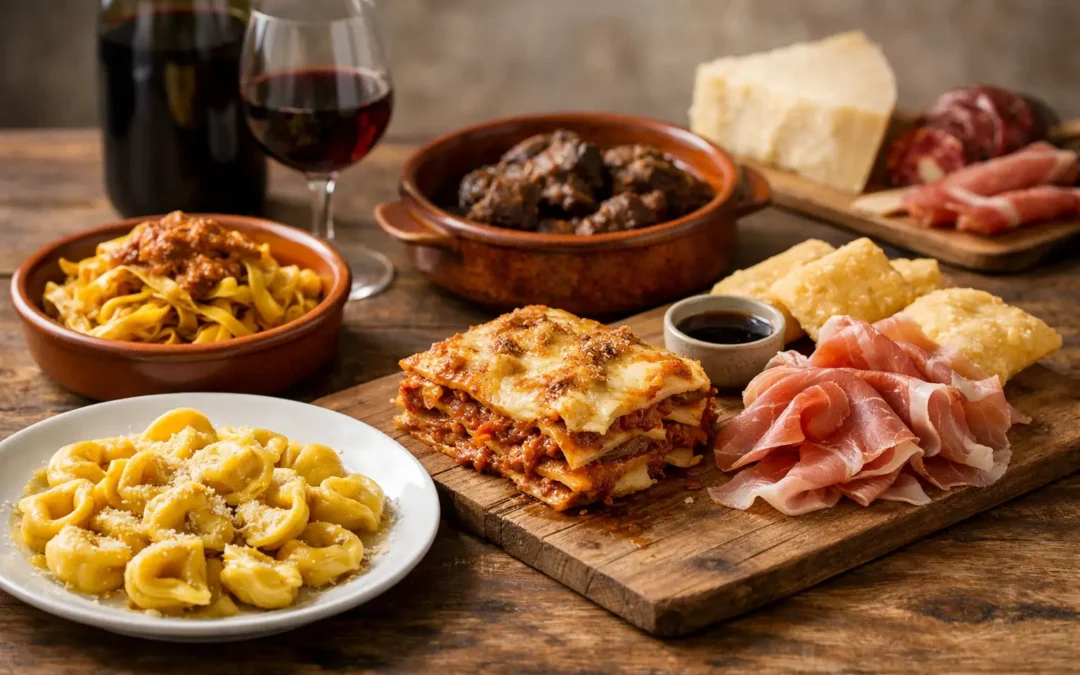
A well-made Emilian lunch doesn’t need special effects: a thin but resilient pasta sheet, a ragù that’s had its time, a balanced filling, and recognizable ingredients. Among the best Emilian dishes for lunch, the ones that leave an impression are often the most straightforward: a hot plate, a fork, a few minutes of respite, and the precise flavor of home cooking.
In Bologna, lunch can be quick without becoming rushed. It can fit into a work break, between classes, before heading back on foot to the center. The difference lies in how it’s prepared: fewer shortcuts, more handwork, better raw materials. Fewer hashtags, more ragù.
What Makes an Emilian Lunch Truly Good
Ordering fresh pasta isn’t enough to eat Emilian. Tradition shows itself in details that aren’t always visible at first glance: the texture of the pasta sheet, the even cut, the density of the sauce, the measure of Parmigiano Reggiano. A good dish should arrive complete, not weighed down by a sauce that covers everything.
Then there’s the question of time. At lunch you need a dish that satisfies without putting the rest of the day on hold. For some that means a portion of tagliatelle al ragù; for others, filled pasta in broth, lasagne, or a well-constructed sandwich. There’s no right order for everyone: it depends on hunger, the season, and how much time remains before the next commitment.
The Best Emilian Dishes for Lunch, Without Compromise
Tagliatelle al Ragù: The Benchmark
Tagliatelle al ragù is the quintessential Bologna lunch. Not because it’s a postcard, but because in a single dish it tells an entire technique: egg pasta rolled and cut with care, ragù cooked slowly, the right meeting between sauce and pasta sheet.
Ragù alla bolognese shouldn’t float in the plate or turn into an indistinct cream. It should bind with the pasta, bring depth without covering its flavor, and let the work done in the kitchen be recognized. The tagliatelle matters too: too thick risks being heavy, too thin loses character. When the pasta sheet holds its bite and catches the sauce well, lunch is solved.
It’s the safest choice when you’re looking for a substantial but straightforward dish. Perfect for a real lunch break, to eat on the spot or to take away while still hot. And if any doubt remains between pasta and a main course, tagliatelle al ragù has a concrete advantage: it doesn’t need anything else to be memorable.
Tortellini in Broth: Small, Serious, Essential
Tortellini in broth may seem like a holiday or Sunday dish, but they’re also an excellent lunch when you want something hot and precise. The point isn’t the quantity of broth: it’s its clarity, its intensity, the way it accompanies the filling without taking center stage.
A well-made tortellino must be small, carefully sealed, and filled just right. The traditional filling speaks of meat, cheese, and aromas measured with a steady hand. It’s not a dish to eat absentmindedly in front of a screen, if you can avoid it: it requires a bit of attention and returns it all.
On cold days it’s hard to find a more comforting lunch. On hot days, however, you might prefer another format of fresh pasta. Emilian cuisine doesn’t demand blind loyalty, it asks for appetite and common sense.
Tortelloni: The Lunch That Slows the Pace
Tortelloni have a different rhythm. Larger, softer, often filled with ricotta and parsley, they’re made for those who want to truly sit down even with little time. Butter and sage remain a classic pairing because they leave room for the filling; a sauce that’s too aggressive would do the opposite.
They’re an ideal choice when you’re looking for a vegetarian dish without giving up the fullness of fresh pasta. Their balance is delicate: the ricotta must be flavorful but not overpowering, the pasta sheet elastic, the sauce present but light. If lunch needs to provide comfort, this is a safe bet.
Lasagne: Layers Made for Real Hunger
Lasagne alla bolognese isn’t just a baked dish. It’s a matter of rhythm: pasta sheet, ragù, béchamel, Parmigiano Reggiano, and then back to the beginning. Each layer must do its part. If the béchamel prevails, the ragù’s drive is missing; if the ragù prevails, the lasagne loses softness.
At lunch they work especially well when hunger is serious or when you want to allow yourself a break without negotiations. They’re less practical than a plate of pasta to eat while walking, certainly, but they have an advantage: they arrive at the table or in the takeout container already complete. No need to invent side dishes, no need to add anything else.
Meatballs, Cutlet, and Bread: Emilia to Take with Your Hands
Emilian tradition doesn’t live only in first courses. For a more dynamic lunch, a good sandwich with quality meat, a properly made cutlet, or well-seasoned meatballs can be the best answer. Here the bread is part of the dish, not an accessory: it must support the filling, absorb just the right amount, and remain pleasant until the last bite.
This is the right path when lunch fits between appointments, trains, errands, and days that don’t leave much room. But quick doesn’t mean automatic. Even in street food, quality is measured in the meat, the house-made sauce, the bread, and the overall balance. A sandwich that’s too loaded gets tiring after three bites; one made well finishes before you expect it to.
How to Choose the Right Dish for Your Lunch Break
If you have twenty minutes and want to eat with satisfaction, tagliatelle al ragù and kitchen sandwiches are the most immediate options. If you’re looking for a hot but more contained lunch, tortellini in broth have a different pace. If you already know the afternoon will be long, a portion of lasagne can be the most generous choice.
What you’ll do afterward also matters. Before an important meeting, a well-balanced pasta dish might be better than a lunch that’s too abundant. On a rainy day, broth changes perspective. If you’re out and about in Bologna and want to take away something authentic, the convenience of takeout shouldn’t make you give up handmade fresh pasta.
At Ragù Bologna the idea is exactly this: bringing local cuisine into the city’s rhythm, with pasta sheets, sauces, bread, and preparations made in-house. Not a shortcut to tradition, but a concrete way to eat it when you feel like it.
The best Emilian lunch, in the end, is the one that gets you back on track with the right flavor. Choose a dish prepared with care, eat it hot when you can, and let the pasta sheet and ragù do the rest.
by | Sep 5, 2026 | Senza categoria
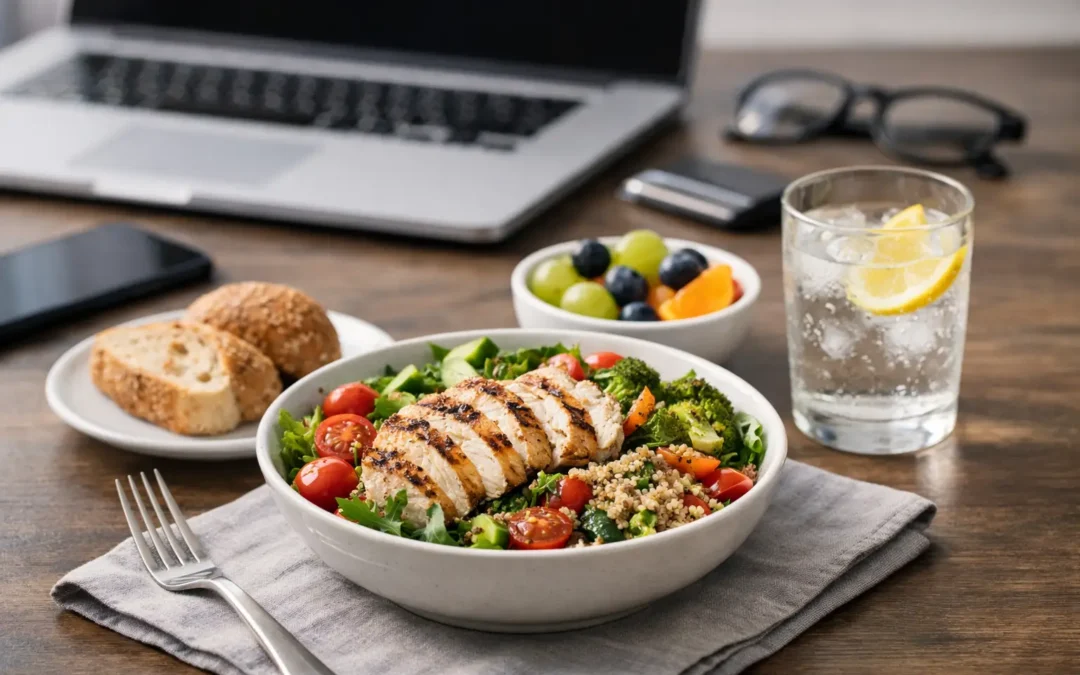
At 1 PM, you don’t need a sad lunch eaten in front of a spreadsheet. A work lunch break can be quick without being anonymous: a hot dish, recognizable ingredients, portions that keep you going until evening, and the time to truly disconnect, even if only for forty minutes.
In Bologna, eating well at lunch isn’t a luxury reserved for the weekend. It’s a matter of habit and choice. The city lives on local shops, fresh pasta dough, slow-cooked sauces, and tables set without too many frills. Your break, then, deserves something more than a hastily assembled sandwich or yet another salad that leaves you hungry by four o’clock.
Work lunch break: quick doesn’t mean rushed
Speed matters, especially between a meeting and an errand. But a true quick lunch isn’t one that arrives in two minutes and is forgotten in ten. It’s one that is well-organized: a kitchen that preps in advance, cooks with care, and serves dishes ready to eat without wasting the time of those with a full schedule.
The point is simple: the break must adapt to the day, not complicate it. Some have twenty minutes, some a full hour, some prefer to eat while walking, and others look for a table, a quick chat, and a glass of water. A well-crafted offering takes these rhythms into account without lowering the bar on flavor.
You can taste the difference in the raw materials. A freshly rolled tagliatella has a precise texture and holds the sauce perfectly. A carefully prepared ragù doesn’t need special effects. A well-made lasagna is complete, substantial, and reassuring. These aren’t display dishes: they are dishes that solve your lunch.
What to choose to stay full and sharp
A lunch during a work break should be neither a marathon nor a sacrifice. You need a realistic balance: enough energy to face the afternoon without that heaviness that makes it hard to get back to your desk, classroom, or shop.
A first course of fresh pasta with a well-balanced sauce is often a spot-on choice. Tagliatelle al ragù, for example, brings carbohydrates, protein, and full flavor in a single dish. They aren’t the lightest option ever, and they shouldn’t pretend to be, but with a proper portion, they represent a real and satisfying lunch.
Tortellini and tortelloni work well when you’re looking for something more compact, perhaps in broth on cold days or with a simple dressing when time is short. Lasagna is the choice to make when you know the afternoon will be long and you don’t want to end up at the vending machine at five.
If instead the day requires a lighter lunch, it’s best to look for an option that still has structure: well-made bread, carefully prepared meat, seasonal vegetables, a sauce made in-house. Light doesn’t mean empty. And an improvised packed lunch isn’t automatically more balanced than a hot dish prepared by someone who cooks every day.
The rule of thumb: choose based on your afternoon
There is no perfect lunch for everyone. If you have to sit still for many hours afterward, a smaller portion and a side dish might be the right solution. If you have a long shift ahead, late lessons, or a lot of movement, a generous first course might make more sense.
The time also matters. Eating at 12 PM and having to work until 8 PM requires a different lunch than someone who finishes at 5 PM. Listening to your hunger isn’t a whim: it avoids both the binge-eating caused by haste and random afternoon snacking.
The value of a truly prepared dish
In a lunch break, you immediately see the difference between produced food and cooked food. In the first case, everything aims to be identical, stable, and quick to replicate. In the second, there are times that cannot be cut: kneading the dough, rolling it out, preparing a filling, letting a sauce simmer, baking the bread.
These are gestures that don’t need to be described with complicated words. They are seen in the color of the pasta, the aroma of the ragù, the texture of a meatball, and the bread that accompanies the dish instead of just being there for show. For those working downtown, this quality also has a practical value: knowing where to return when you need a reliable break.
Ragù Bologna was born right here: homemade Bolognese cuisine, designed also to be taken away and eaten at the city’s pace. Fresh pasta, ragù, lasagna, and street food options don’t try to imitate fast food. They do something else: they make artisanal cooking accessible without making it slow or stiff.
It’s not nostalgia. It’s method. A traditional dish can live perfectly well in a contemporary break if it retains its character and respects those who have to eat it in real time.
Eating in or choosing takeaway
Takeaway is convenient, but it should be chosen with a bit of strategy. If you’re heading back to the office, it’s better to go for dishes that are easy to handle, with stable containers and cutlery that won’t turn your desk into a battlefield. If you have a bench, a courtyard, or a park nearby, lunch can become a real little interval, not just a necessity to get over with.
Eating on-site, when possible, has a less obvious advantage: it helps set a boundary. You step away from the noise of notifications, the light changes, and you chew more calmly. Even thirty minutes away from the screen can change how you face the rest of the day.
Of course, it depends on the job. Those on duty, those studying between classes, or those with a split break can’t always choose. This is why flexibility is needed: dishes that maintain quality even for takeaway, clear timing, and a menu that doesn’t force you to overthink it.
Avoiding the automatic lunch trap
When days look alike, it’s easy to always choose the same thing: coffee, a snack, something grabbed on the fly, then nervous hunger in the late afternoon. The problem isn’t treating yourself to a quick meal once in a while. The problem is turning improvisation into a routine.
Small changes are enough. Alternating a hot first course with a meat and vegetable option, drinking water in addition to coffee, and avoiding working while eating at least on days when it’s possible. It’s not a lesson in nutritional perfection. It’s a practical way to make the break more useful and pleasant.
Budget also deserves honesty. A cheap lunch that doesn’t satisfy often leads to spending again shortly after. On the other hand, you don’t need to order too much to feel well-treated. The smart choice is the one that combines quality, a sensible portion, and consistency: a place to return to without surprises, because you know how the kitchen works.
When there’s also an aperitivo
Some work breaks end late or stretch out unexpectedly. In that case, a well-made drink can accompany a meeting or close the day, but it doesn’t replace lunch. If you choose to drink, it’s better to do so in moderation and along with something substantial, especially if you still have to work, drive, or study.
The good news is that tradition and new ideas can sit at the same counter. A well-prepared draft cocktail, for example, can reduce glass waste and transport without sacrificing character. Sustainability here counts when it improves the service, not when it becomes a decorative sign.
Next time a break comes around, treat it for what it is: a short time, but yours. Choose a dish that has history, substance, and the right rhythm. Fewer makeshift meals, more ragù.