by Marco Vastola | Sep 7, 2026 | Senza categoria
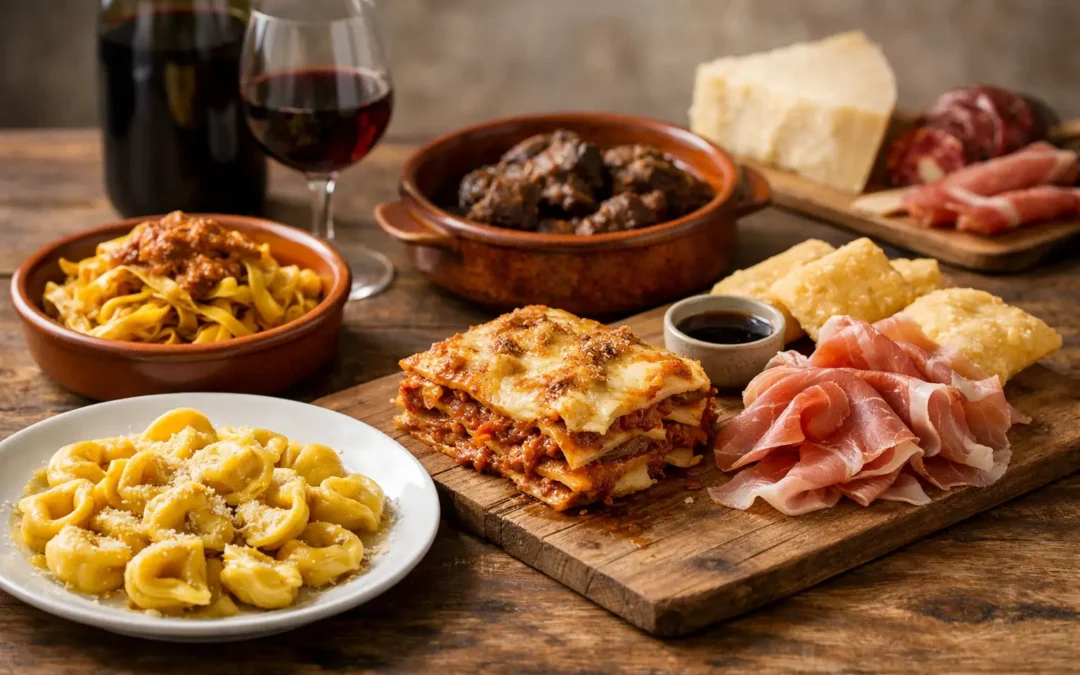
A well-made Emilian lunch doesn’t need special effects: a thin but resilient pasta sheet, a ragù that’s had its time, a balanced filling, and recognizable ingredients. Among the best Emilian dishes for lunch, the ones that leave an impression are often the most straightforward: a hot plate, a fork, a few minutes of respite, and the precise flavor of home cooking.
In Bologna, lunch can be quick without becoming rushed. It can fit into a work break, between classes, before heading back on foot to the center. The difference lies in how it’s prepared: fewer shortcuts, more handwork, better raw materials. Fewer hashtags, more ragù.
What Makes an Emilian Lunch Truly Good
Ordering fresh pasta isn’t enough to eat Emilian. Tradition shows itself in details that aren’t always visible at first glance: the texture of the pasta sheet, the even cut, the density of the sauce, the measure of Parmigiano Reggiano. A good dish should arrive complete, not weighed down by a sauce that covers everything.
Then there’s the question of time. At lunch you need a dish that satisfies without putting the rest of the day on hold. For some that means a portion of tagliatelle al ragù; for others, filled pasta in broth, lasagne, or a well-constructed sandwich. There’s no right order for everyone: it depends on hunger, the season, and how much time remains before the next commitment.
The Best Emilian Dishes for Lunch, Without Compromise
Tagliatelle al Ragù: The Benchmark
Tagliatelle al ragù is the quintessential Bologna lunch. Not because it’s a postcard, but because in a single dish it tells an entire technique: egg pasta rolled and cut with care, ragù cooked slowly, the right meeting between sauce and pasta sheet.
Ragù alla bolognese shouldn’t float in the plate or turn into an indistinct cream. It should bind with the pasta, bring depth without covering its flavor, and let the work done in the kitchen be recognized. The tagliatelle matters too: too thick risks being heavy, too thin loses character. When the pasta sheet holds its bite and catches the sauce well, lunch is solved.
It’s the safest choice when you’re looking for a substantial but straightforward dish. Perfect for a real lunch break, to eat on the spot or to take away while still hot. And if any doubt remains between pasta and a main course, tagliatelle al ragù has a concrete advantage: it doesn’t need anything else to be memorable.
Tortellini in Broth: Small, Serious, Essential
Tortellini in broth may seem like a holiday or Sunday dish, but they’re also an excellent lunch when you want something hot and precise. The point isn’t the quantity of broth: it’s its clarity, its intensity, the way it accompanies the filling without taking center stage.
A well-made tortellino must be small, carefully sealed, and filled just right. The traditional filling speaks of meat, cheese, and aromas measured with a steady hand. It’s not a dish to eat absentmindedly in front of a screen, if you can avoid it: it requires a bit of attention and returns it all.
On cold days it’s hard to find a more comforting lunch. On hot days, however, you might prefer another format of fresh pasta. Emilian cuisine doesn’t demand blind loyalty, it asks for appetite and common sense.
Tortelloni: The Lunch That Slows the Pace
Tortelloni have a different rhythm. Larger, softer, often filled with ricotta and parsley, they’re made for those who want to truly sit down even with little time. Butter and sage remain a classic pairing because they leave room for the filling; a sauce that’s too aggressive would do the opposite.
They’re an ideal choice when you’re looking for a vegetarian dish without giving up the fullness of fresh pasta. Their balance is delicate: the ricotta must be flavorful but not overpowering, the pasta sheet elastic, the sauce present but light. If lunch needs to provide comfort, this is a safe bet.
Lasagne: Layers Made for Real Hunger
Lasagne alla bolognese isn’t just a baked dish. It’s a matter of rhythm: pasta sheet, ragù, béchamel, Parmigiano Reggiano, and then back to the beginning. Each layer must do its part. If the béchamel prevails, the ragù’s drive is missing; if the ragù prevails, the lasagne loses softness.
At lunch they work especially well when hunger is serious or when you want to allow yourself a break without negotiations. They’re less practical than a plate of pasta to eat while walking, certainly, but they have an advantage: they arrive at the table or in the takeout container already complete. No need to invent side dishes, no need to add anything else.
Meatballs, Cutlet, and Bread: Emilia to Take with Your Hands
Emilian tradition doesn’t live only in first courses. For a more dynamic lunch, a good sandwich with quality meat, a properly made cutlet, or well-seasoned meatballs can be the best answer. Here the bread is part of the dish, not an accessory: it must support the filling, absorb just the right amount, and remain pleasant until the last bite.
This is the right path when lunch fits between appointments, trains, errands, and days that don’t leave much room. But quick doesn’t mean automatic. Even in street food, quality is measured in the meat, the house-made sauce, the bread, and the overall balance. A sandwich that’s too loaded gets tiring after three bites; one made well finishes before you expect it to.
How to Choose the Right Dish for Your Lunch Break
If you have twenty minutes and want to eat with satisfaction, tagliatelle al ragù and kitchen sandwiches are the most immediate options. If you’re looking for a hot but more contained lunch, tortellini in broth have a different pace. If you already know the afternoon will be long, a portion of lasagne can be the most generous choice.
What you’ll do afterward also matters. Before an important meeting, a well-balanced pasta dish might be better than a lunch that’s too abundant. On a rainy day, broth changes perspective. If you’re out and about in Bologna and want to take away something authentic, the convenience of takeout shouldn’t make you give up handmade fresh pasta.
At Ragù Bologna the idea is exactly this: bringing local cuisine into the city’s rhythm, with pasta sheets, sauces, bread, and preparations made in-house. Not a shortcut to tradition, but a concrete way to eat it when you feel like it.
The best Emilian lunch, in the end, is the one that gets you back on track with the right flavor. Choose a dish prepared with care, eat it hot when you can, and let the pasta sheet and ragù do the rest.
by | Sep 5, 2026 | Senza categoria
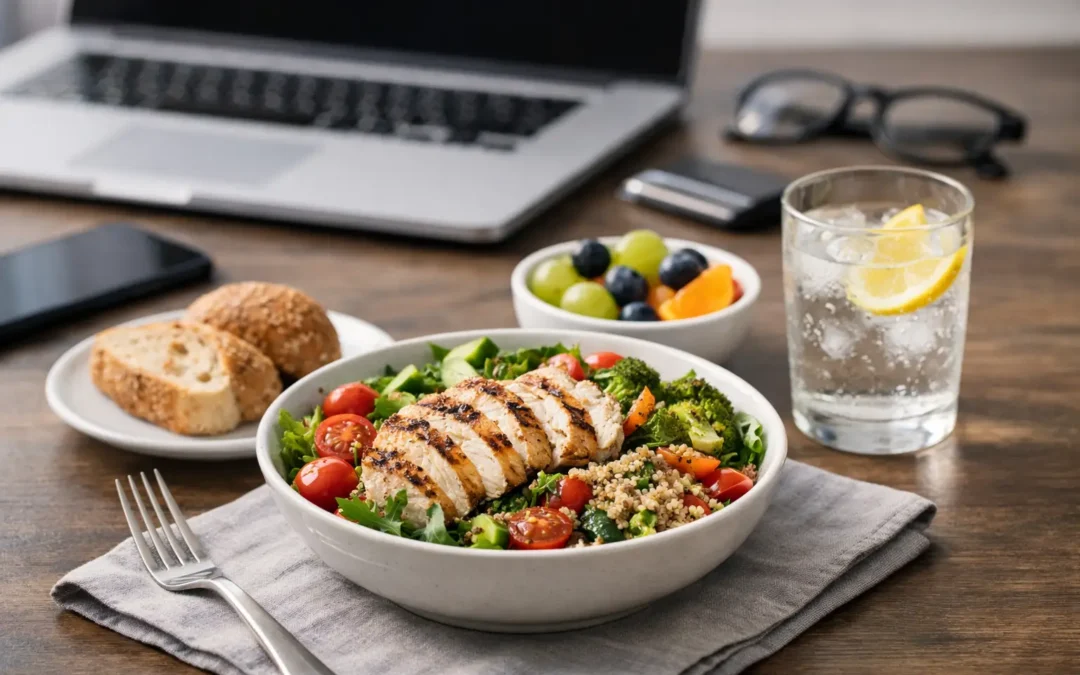
At 1 PM, you don’t need a sad lunch eaten in front of a spreadsheet. A work lunch break can be quick without being anonymous: a hot dish, recognizable ingredients, portions that keep you going until evening, and the time to truly disconnect, even if only for forty minutes.
In Bologna, eating well at lunch isn’t a luxury reserved for the weekend. It’s a matter of habit and choice. The city lives on local shops, fresh pasta dough, slow-cooked sauces, and tables set without too many frills. Your break, then, deserves something more than a hastily assembled sandwich or yet another salad that leaves you hungry by four o’clock.
Work lunch break: quick doesn’t mean rushed
Speed matters, especially between a meeting and an errand. But a true quick lunch isn’t one that arrives in two minutes and is forgotten in ten. It’s one that is well-organized: a kitchen that preps in advance, cooks with care, and serves dishes ready to eat without wasting the time of those with a full schedule.
The point is simple: the break must adapt to the day, not complicate it. Some have twenty minutes, some a full hour, some prefer to eat while walking, and others look for a table, a quick chat, and a glass of water. A well-crafted offering takes these rhythms into account without lowering the bar on flavor.
You can taste the difference in the raw materials. A freshly rolled tagliatella has a precise texture and holds the sauce perfectly. A carefully prepared ragù doesn’t need special effects. A well-made lasagna is complete, substantial, and reassuring. These aren’t display dishes: they are dishes that solve your lunch.
What to choose to stay full and sharp
A lunch during a work break should be neither a marathon nor a sacrifice. You need a realistic balance: enough energy to face the afternoon without that heaviness that makes it hard to get back to your desk, classroom, or shop.
A first course of fresh pasta with a well-balanced sauce is often a spot-on choice. Tagliatelle al ragù, for example, brings carbohydrates, protein, and full flavor in a single dish. They aren’t the lightest option ever, and they shouldn’t pretend to be, but with a proper portion, they represent a real and satisfying lunch.
Tortellini and tortelloni work well when you’re looking for something more compact, perhaps in broth on cold days or with a simple dressing when time is short. Lasagna is the choice to make when you know the afternoon will be long and you don’t want to end up at the vending machine at five.
If instead the day requires a lighter lunch, it’s best to look for an option that still has structure: well-made bread, carefully prepared meat, seasonal vegetables, a sauce made in-house. Light doesn’t mean empty. And an improvised packed lunch isn’t automatically more balanced than a hot dish prepared by someone who cooks every day.
The rule of thumb: choose based on your afternoon
There is no perfect lunch for everyone. If you have to sit still for many hours afterward, a smaller portion and a side dish might be the right solution. If you have a long shift ahead, late lessons, or a lot of movement, a generous first course might make more sense.
The time also matters. Eating at 12 PM and having to work until 8 PM requires a different lunch than someone who finishes at 5 PM. Listening to your hunger isn’t a whim: it avoids both the binge-eating caused by haste and random afternoon snacking.
The value of a truly prepared dish
In a lunch break, you immediately see the difference between produced food and cooked food. In the first case, everything aims to be identical, stable, and quick to replicate. In the second, there are times that cannot be cut: kneading the dough, rolling it out, preparing a filling, letting a sauce simmer, baking the bread.
These are gestures that don’t need to be described with complicated words. They are seen in the color of the pasta, the aroma of the ragù, the texture of a meatball, and the bread that accompanies the dish instead of just being there for show. For those working downtown, this quality also has a practical value: knowing where to return when you need a reliable break.
Ragù Bologna was born right here: homemade Bolognese cuisine, designed also to be taken away and eaten at the city’s pace. Fresh pasta, ragù, lasagna, and street food options don’t try to imitate fast food. They do something else: they make artisanal cooking accessible without making it slow or stiff.
It’s not nostalgia. It’s method. A traditional dish can live perfectly well in a contemporary break if it retains its character and respects those who have to eat it in real time.
Eating in or choosing takeaway
Takeaway is convenient, but it should be chosen with a bit of strategy. If you’re heading back to the office, it’s better to go for dishes that are easy to handle, with stable containers and cutlery that won’t turn your desk into a battlefield. If you have a bench, a courtyard, or a park nearby, lunch can become a real little interval, not just a necessity to get over with.
Eating on-site, when possible, has a less obvious advantage: it helps set a boundary. You step away from the noise of notifications, the light changes, and you chew more calmly. Even thirty minutes away from the screen can change how you face the rest of the day.
Of course, it depends on the job. Those on duty, those studying between classes, or those with a split break can’t always choose. This is why flexibility is needed: dishes that maintain quality even for takeaway, clear timing, and a menu that doesn’t force you to overthink it.
Avoiding the automatic lunch trap
When days look alike, it’s easy to always choose the same thing: coffee, a snack, something grabbed on the fly, then nervous hunger in the late afternoon. The problem isn’t treating yourself to a quick meal once in a while. The problem is turning improvisation into a routine.
Small changes are enough. Alternating a hot first course with a meat and vegetable option, drinking water in addition to coffee, and avoiding working while eating at least on days when it’s possible. It’s not a lesson in nutritional perfection. It’s a practical way to make the break more useful and pleasant.
Budget also deserves honesty. A cheap lunch that doesn’t satisfy often leads to spending again shortly after. On the other hand, you don’t need to order too much to feel well-treated. The smart choice is the one that combines quality, a sensible portion, and consistency: a place to return to without surprises, because you know how the kitchen works.
When there’s also an aperitivo
Some work breaks end late or stretch out unexpectedly. In that case, a well-made drink can accompany a meeting or close the day, but it doesn’t replace lunch. If you choose to drink, it’s better to do so in moderation and along with something substantial, especially if you still have to work, drive, or study.
The good news is that tradition and new ideas can sit at the same counter. A well-prepared draft cocktail, for example, can reduce glass waste and transport without sacrificing character. Sustainability here counts when it improves the service, not when it becomes a decorative sign.
Next time a break comes around, treat it for what it is: a short time, but yours. Choose a dish that has history, substance, and the right rhythm. Fewer makeshift meals, more ragù.
by | Sep 3, 2026 | Senza categoria
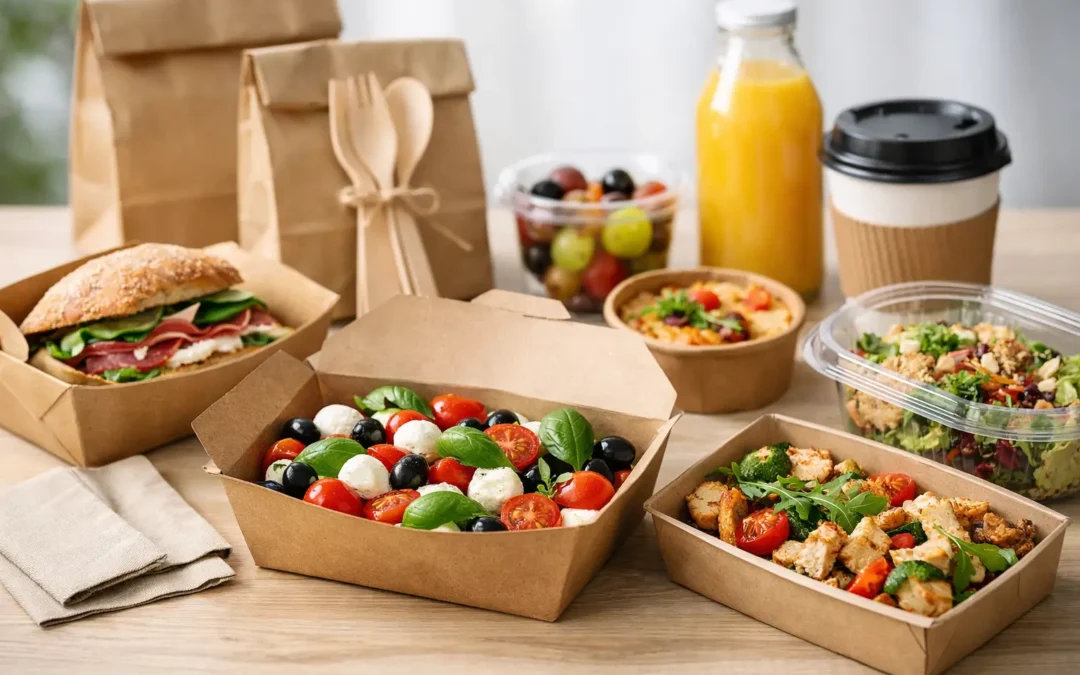
A guide to artisanal takeaway lunch is especially useful when you’re short on time but don’t want to eat in a rush mentally. Your lunch break shouldn’t be a compromise made of anonymous containers, identical flavors, and illogical portions. It can be a plate of fresh pasta, a properly made ragù, bread that holds the sauce, and a simple choice: eating well, even away from home.
In Bologna, this need is very real. Between the office, classes, errands, and busy days, a takeaway lunch needs to arrive ready, hot, and straightforward. You don’t need an endless menu. You need recognizable ingredients, careful preparation, and dishes designed for the journey between the counter and the table.
What makes a takeaway lunch artisanal
Artisanal doesn’t just mean made in a small workshop, nor does it automatically mean slower. It means that behind the dish, there are hands, specific timing, and clear responsibilities. The pasta dough is rolled out, the filling has its own texture, and the sauces are cooked, not just assembled. The container matters too: it must protect the dish without turning it into a tired version of itself.
You can taste the difference immediately. A well-prepared tagliatelle al ragù doesn’t need special effects: the pasta must remain present, the ragù must coat it without overwhelming it, and the aroma should speak even before the first bite. The same goes for lasagne, tortellini, and tortelloni. Family recipes, yes, but anything but automatic.
When you choose, look for four concrete signs:
- the menu is focused and tells the story of a specific cuisine, rather than trying to do everything;
- pasta, sauces, bread, and fillings have recognizable characteristics;
- portions are designed for lunch, not improvised;
- the staff can clearly tell you what to eat right away and what to take home.
An artisanal lunch might cost a bit more than a standardized product. The point is to understand where that difference lies: in the craftsmanship, the quality of the ingredients, the care in cooking, and the consistency. If you’re paying for a dish that truly tastes like Bologna, you’re not paying for a pose. You’re choosing substance.
A guide to artisanal takeaway lunch: how to choose your dish
The right choice depends on how much time you have, where you’ll be eating, and what kind of day lies ahead. If you have twenty minutes on a bench or at your desk, look for a format that’s easy to handle and already complete. If you’re heading home later, you can go for a preparation that can be reheated at your leisure. Well-made takeaway doesn’t force a single solution: it keeps pace with different rhythms.
If you want a classic, complete lunch
Tagliatelle al ragù is a direct choice. They have the strength of a single-course meal, don’t require too many steps, and, if the pasta is fresh and the seasoning is balanced, they stay enjoyable even after a few minutes of travel. For a business lunch, they are often the simplest answer: a fork, a table, ten minutes of attention, and you’re set.
Lasagne is ideal when you’re truly hungry or want to share lunch with someone. It’s richer, more comforting, and meant to be eaten hot. If you already know it will be half an hour before you sit down, ask how to store it and if it’s worth reheating: a lasagna deserves its moment, not a microwave used without care.
If you’re looking for something lighter, but not boring
Light doesn’t mean flavorless. Tortellini in broth, when available and well-packaged, is a choice that comforts without weighing you down too much. Even a tortellone with butter and sage can work, provided the portion is right and the seasoning isn’t overloaded to mask the rest.
For those eating on the go or with a split break, street food formats and artisanal stuffed bread can be practical. Here, the test is simple: the filling must stay in place, the bread shouldn’t break at the first bite, and every ingredient must have a purpose. Convenience is no excuse for lowering the bar.
If you want to take lunch home
There are days when true convenience is not having to cook in the evening. A jar of ragù or a homemade sauce allows you to turn a quick dinner into something much more dignified than an improvised solution. All you need is good pasta, time to gently heat the sauce, and maybe a slice of bread for sopping up the sauce.
In this case, pay attention to storage instructions and portions. A preserved artisanal product is a resource, but it must be treated well: refrigerator, correct timing, and moderate heat. Ragù shouldn’t be mistreated; it should be brought back to temperature.
The time between the counter and the first bite
The enemy of takeaway lunch isn’t the distance itself. It’s waiting without organization. Pasta and fried foods suffer in different ways, dishes with cream or cheese require more attention, and broth should be kept separate whenever possible. A serious place thinks about these things before you even ask.
If you’re eating within ten or fifteen minutes, go ahead and choose a hot first course. If you know lunch will be delayed, it’s better to choose a solution that holds up well over time or a dish to be reheated. It’s not a detail for fanatics: it’s the line between a satisfying break and pasta stuck to the container.
Ordering ahead also helps. During peak times, deciding what you want beforehand avoids unnecessary waiting and makes the service smoother for everyone. A short menu, built on daily preparations, is an advantage precisely because it reduces uncertainty. Less indecision, more lunch.
Portions, pairings, and the will to work afterward
The perfect lunch isn’t always the biggest one. If you have to head back to a meeting, study, or be on your feet all afternoon, a balanced portion is worth more than a huge plate. Emilian cuisine can be generous, but generosity isn’t a weightlifting competition: it’s satiety, flavor, and pleasure that last without knocking you out.
You can build your lunch around a substantial first course and add something only if you really need it. Bread and sauce are a good complement when you want to scoop up the seasoning, not an obligation. Dessert is a choice to be made out of desire, not habit. And if lunch stretches toward the aperitivo hour, an offering like Ragù & Draft shows well that tradition and drinks can coexist without dressing up the dishes as a trend.
Water remains the most practical choice when the afternoon is full. If, on the other hand, you have time and want to turn the break into a more relaxed moment, a well-crafted drink can have its place. The important thing is not to lose the focus of the conversation: the food must take center stage.
Artisanal takeaway is also a matter of trust
A good takeaway spot doesn’t ask you to believe vague words. It puts what it does right in front of you: fresh pasta, ragù, fillings, bread, carefully processed meat, recipes you recognize. At Ragù Bologna, this is exactly the idea: bringing local cuisine out of the restaurant without taking away the value of the kitchen’s work.
Trust comes from repeatability. Returning for the tagliatelle and finding the same attention, picking up a jar of ragù and knowing it will have character at home, choosing a quick lunch without fearing shortcuts. You don’t need to turn every break into an event. You need to be able to count on a place that cooks well even when you’re in a hurry.
Next time lunch feels like just a box to check, choose a dish that still has something to say. A few minutes, a fork, and a well-made ragù can put an entire day back in order.
by | Sep 1, 2026 | Senza categoria
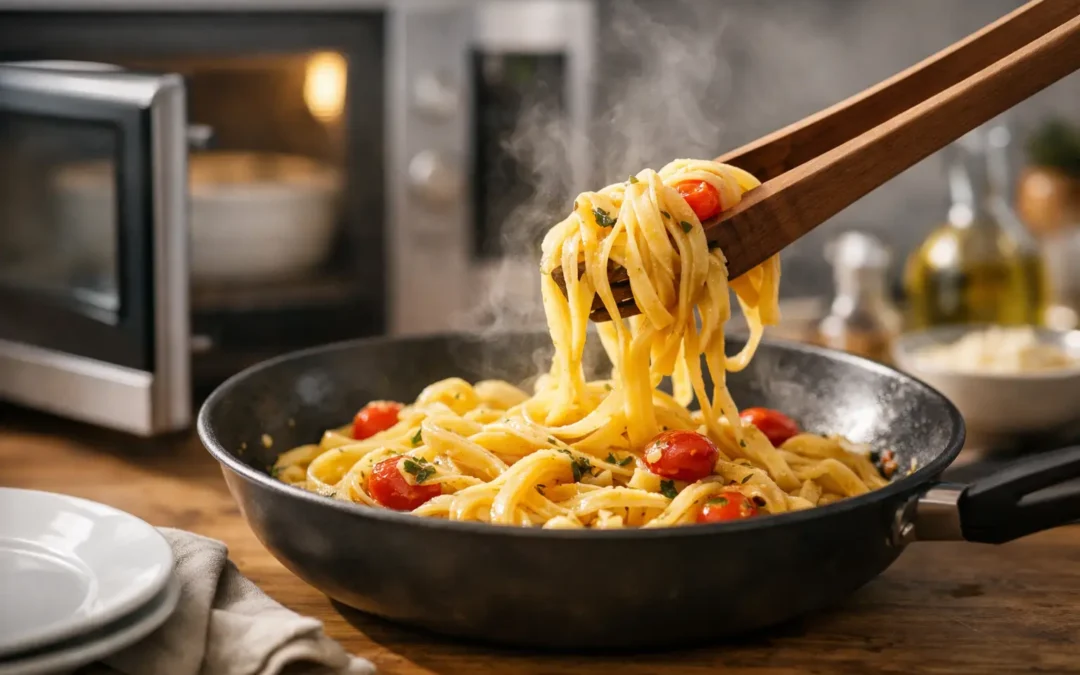
A well-made tagliatella doesn’t deserve to end up rubbery in the microwave. Reheating fresh pasta without ruining it only takes a few minutes, a little attention, and the right method for the shape and sauce. The point isn’t to make it piping hot: it’s to restore its heat, moisture, and character.
The good news is that fresh pasta holds up great the next day, especially if it’s been stored correctly. The not-so-good news is that there isn’t just one method for everything: tagliatelle al ragù, tortelloni, tortellini in broth, and lasagne all require different steps. Fewer shortcuts, more ragù.
Before reheating: how it was stored matters
We’re talking about fresh pasta that’s already cooked, leftovers, or brought home ready to eat. After the meal, it should be allowed to cool slightly for a short time and put in the fridge, tightly sealed, within two hours. Leaving it on the table until evening does it no favors, neither for quality nor safety.
The next day is the best time to eat it. Within 48 hours is generally a sensible choice if it’s been kept cold and doesn’t have any unusual smells or appearance. Dishes with meat, béchamel, cream, fresh cheeses, or eggs deserve even more precision: cold fridge, closed container, no long periods at room temperature.
Before turning on the heat, take the portion out of the fridge for five to ten minutes. It doesn’t need to reach room temperature: just take off that surface chill that forces you to overheat the outside while the center stays cold.
Reheating fresh pasta in a pan: the most reliable method
For tagliatelle, pappardelle, gramigna, short pasta with sauce, and many already-dressed first courses, the pan is almost always the best way. It’s the method that lets you truly control the result, especially when the sauce is rich and the pasta tends to absorb liquid while resting.
Use a wide pan, preferably with a lid. Put the pasta in with its sauce, add a tablespoon of water for a generous portion, or a little broth if the sauce requires it. The liquid shouldn’t water it down: it’s there to create steam and give softness back to the sfoglia.
Heat over medium-low heat for three to four minutes, gently moving the pan or stirring with a spatula. If the pasta is very cold or the portion is large, cover it for the first minute. Then uncover, check the consistency, and add another tablespoon of water only if needed.
With tagliatelle al ragù, the secret is simple: moderate heat and no rush. High heat dries out the ragù, makes the bottom stick, and hardens the pasta before it’s hot to the core. If the ragù looks compact after a night in the fridge, a splash of water brings it back to its consistency without changing the flavor.
When to add cheese or oil
Parmigiano Reggiano, butter, or a drizzle of oil should be added at the end, with the heat off or nearly off. Cheese added too early can dry out the sauce, while butter cooks unnecessarily and loses its delicate side. A few seconds of mantecatura is enough to give the dish a nice gloss.
Tortelloni and filled pasta: a light touch
Tortelloni, ravioli, and cappelletti have a weak point: the filling. If you stir them vigorously, you risk breaking the sfoglia and ending up with the sauce on one side and the filling on the other. The pan is still excellent here, but it must be used more gently.
Arrange the pieces in a single layer if possible. Add the sauce and a tablespoon of water, cover, and let heat over low flame for two minutes. Instead of stirring, slowly swirl the pan. Only at the end, with a flat spatula, gently toss the tortelloni in the sauce.
For tortelloni with butter and Parmigiano, it’s better to start with a knob of butter, a little water, and a lid. When they’re hot, finish with more butter and cheese. For those with tomato sauce or ragù, the same rule as tagliatelle applies: the sauce should be soft, not liquid.
If the portion is very delicate or already arranged in an oven-safe tray, the oven can be safer than the pan. Cover with parchment paper or foil and heat gently: less movement, less risk of breaking.
How to reheat tortellini in broth
Tortellini in broth aren’t reheated like dry pasta. The star is the broth, which must return to a simmer without boiling violently for minutes. Aggressive boiling breaks the pasta apart and makes the filling drier.
Heat the broth in a small pot over medium heat. When it’s nice and hot and the first bubbles appear, add the tortellini and lower the flame slightly. Two or three minutes are often enough for a fridge-cold portion, but it depends on the quantity and size of the pasta.
If the tortellini and broth were stored separately, even better: heat the broth first and add the pasta at the end. If they’re already together, move the pot gently instead of stirring too much. The broth should stay clear, hot, and generous, not turn into a test of endurance.
Lasagne and baked pasta: gentle heat needed
Lasagna is made of layers and should be treated as such. The pan isn’t the answer here: you need the oven, which can heat the center without mistreating the surface. Preheat it to 160-170°C (320-340°F).
Transfer the portion to a baking dish if it’s not already in a suitable container. Cover well and bake for about 15-20 minutes, depending on the thickness. In the last three to five minutes, uncover to bring the crust back to life, but only when the inside is already hot.
If the lasagna looks dry at the edges, add a tablespoon of milk or very soft béchamel before covering, not water. With a well-made ragù and a balanced béchamel, you often don’t need anything: resting in a closed oven will do the job.
Is the microwave okay? Yes, but with care
The microwave is handy when you have a tight lunch break and no stove available. It’s not the enemy of fresh pasta: it becomes one when used at maximum power for too long. The classic result is a portion that’s boiling at the edges, cold in the center, and dry everywhere.
For sauced pasta, add a tablespoon of water, cover with a suitable lid or a plate, and heat at medium power for one minute. Stir or move the portion, then continue at 30-second intervals until hot. Let it rest for a minute before eating: the heat distributes and the sfoglia relaxes.
For lasagne and filled pasta, use shorter intervals and check often. The microwave doesn’t create an oven crust and doesn’t emulsify like a pan, but it can save a lunch if you give it time. Rushing, on the other hand, always comes with a price.
Mistakes that ruin the sfoglia
The first mistake is heating everything too high. Fresh pasta cooks quickly even when new: once it’s cooked and cooled, it doesn’t need a second cooking. It needs controlled heat.
The second is forgetting moisture. The fridge compacts sauces and dressings, while the sfoglia absorbs part of the liquid. A well-chosen tablespoon of water, broth, milk, or cooking liquid changes the result more than any trick.
The third is doubling the portion in a small container. A mountain of tagliatelle in a pan heats poorly, breaks while you try to turn it, and leaves the center cold. Better to split it in two or use a wide pan.
The last mistake is reheating multiple times. Take only what you’ll eat from the fridge. Fresh pasta is generous, but not infinite: every heat cycle takes away a bit of its precision.
Good takeaway pasta should arrive home with its dignity intact. At Ragù Bologna, the sfoglia and sauces are designed to be eaten right away, but if you store them well and heat them calmly, the next day you’ll still find that simple gesture that matters most: a hot dish made as it should be. Welcome home.
by | Aug 30, 2026 | Senza categoria
One class ends at 1 PM, the next starts at 2 PM: lunch isn’t just a detail. For university lunches in Bologna, you need real dishes, clear timing, and prices that don’t turn every break into a complicated calculation. The city has a specific rhythm: lots of walking, studying under the porticos, moving in and out of lecture halls. At the table, however, there’s no reason to settle for a mindless sandwich.
Bologna has always been a university city and knows what it means to eat between commitments. The point isn’t just to fill your stomach: it’s to find energy for the afternoon, spend wisely, and, whenever possible, eat something that tastes like the place you live. Fewer generic products, more fresh pasta dough, well-made sauces, and recognizable ingredients.
University lunches in Bologna: what makes a good break
A lunch suitable for university life must balance three things: speed, substance, and flexibility. Speed matters, but it’s not the same as rushing. An organized service allows you to grab your food, sit down if there’s time, or take it to go without sacrificing the quality of the dish.
Substance is just as easy to recognize. A portion of fresh pasta with a properly cooked ragù, a well-made lasagna, or a thoughtfully filled tortellone carries more weight than a makeshift snack. It doesn’t mean eating heavy every day. It means choosing a lunch that won’t leave you hungry at 4 PM and won’t make it hard to follow the last lecture.
Then there’s flexibility. Some days you have forty minutes and want a hot pasta dish. Other days you have a group meeting, a library to reach, or a work shift in the afternoon: that’s when you need practical formats that are easy to eat even away from a table. Good takeaway doesn’t ask you to change your plans. It fits into them.
The right price isn’t just the lowest one
For students, budget definitely matters. But comparing a lunch solely by the displayed price can be misleading. It’s worth looking at the portion size, the quality of the ingredients, how much the dish actually fills you up, and if it’s a choice you’d happily repeat several times a week.
A very cheap but low-substance lunch often leads to buying something else an hour later: snacks, sugary coffees, something from the vending machine. In the end, spending goes up and energy goes down. A simple dish made with fresh pasta, seasonal vegetables, selected meat, or a good filling can be a more sensible investment in your day.
There is no single formula for everyone. Those who have training or work after classes will need a more generous portion. Those who need to stay focused while studying for hours might prefer a complete but not excessive lunch. The right choice depends on the day, not on a rule written on the wall.
Fresh pasta or a quick snack? It depends on the day
In Bologna, pasta isn’t a weekend treat. It can be a daily lunch if prepared well and included sensibly in your routine. Tagliatelle al ragù, tortellini, tortelloni, and lasagne tell the story of a cuisine born to nourish, not just for show.
Tagliatelle al ragù is the direct answer for those who want a full, recognizable, no-frills dish. The pasta dough must have texture, and the ragù must be cooked slowly, not just poured on. It’s a dish that works when lunch needs to provide comfort and fuel, especially on cold days or after a long morning.
Tortellini require a different conversation. They are smaller in size, but behind them are technique, filling, and broth or sauce. They are the choice to make when you want a break with a precise identity—the Bolognese one, with no shortcuts. Tortelloni, especially with a simple sauce, can instead be an excellent alternative for those looking for a vegetarian option that doesn’t feel like an afterthought.
Street food has its place, especially when time is really short. A practical format, with well-made bread and a kitchen-prepared filling, can save a twenty-minute break. The difference lies in not calling “fast” what is merely industrial. Fast can also be artisanal: it just takes organization and hands that actually work.
How to choose without always eating the same thing
The university routine tends to repeat itself. Same times, same routes, same table in the library. Even at lunch, it’s easy to end up on autopilot. Alternating isn’t about following food trends: it’s about not getting bored and building a more balanced break.
On days when you want something hot and hearty, a traditional pasta dish is a natural choice. When it’s hot or the afternoon involves a lot of movement, a lighter and more practical option might be more suitable. If you have a late lunch, it’s better to avoid arriving so hungry that you choose without looking: knowing two or three reliable spots in advance changes your day.
Sharing can also help. With classmates, you can try different dishes, split an extra side, and figure out what you really like. It’s a simple way to move past the idea that a university lunch has to be solitary, rushed, and identical for months.
Well-done takeaway is a matter of respect
Takeaway isn’t a second-rate choice compared to a restaurant. In Bologna, it can be a form of urban hospitality: you take your lunch, eat it where you need to, but still find care in the pasta, the bread, the sauce, and the portion. It’s a service designed for the real city, the one that doesn’t stop for two hours at a table every day.
To work, however, it must respect the food and the person eating it. A well-sealed container, a dish that stays good even after a few minutes of walking, cutlery when needed, and clear information about ingredients are not details. They are part of the lunch. The same goes for dietary needs: those who are vegetarian, have allergies, or intolerances must be able to ask and receive concrete answers, without embarrassment.
Quality is also seen here. In a kitchen that prepares not only the main dish in-house but also the basics: bread, sauces, doughs, and seasonings. When every step is left to someone else, the result might be convenient but rarely has character. And Bologna has pretty clear standards when it comes to character at the table.
University lunches in Bologna: a habit to build
Choosing where to eat near your classes also means getting to know the city better. A well-made lunch can become a fixed point between the study hall and an exam, a small habit that makes a busy week feel lighter. You don’t need long-set tables or complicated dishes. You need to find those who cook seriously and know how to speak the language of the neighborhood.
At Ragù Bologna, tradition fits into the rhythm of takeaway: hand-rolled and processed fresh pasta, ragù, lasagne, tortellini, bread, and more immediate options for those with little time. It’s Bolognese cuisine designed to be grabbed on the fly without losing its substance. Less hashtags, more ragù.
A lunch break doesn’t have to solve everything, but it can put a day back in order. Choose a place that knows the value of ten minutes, of a well-made portion, and of a dish that, even eaten on a bench or between two sets of notes, knows how to say one simple thing: welcome home.
by Marco Vastola | Aug 28, 2026 | Senza categoria
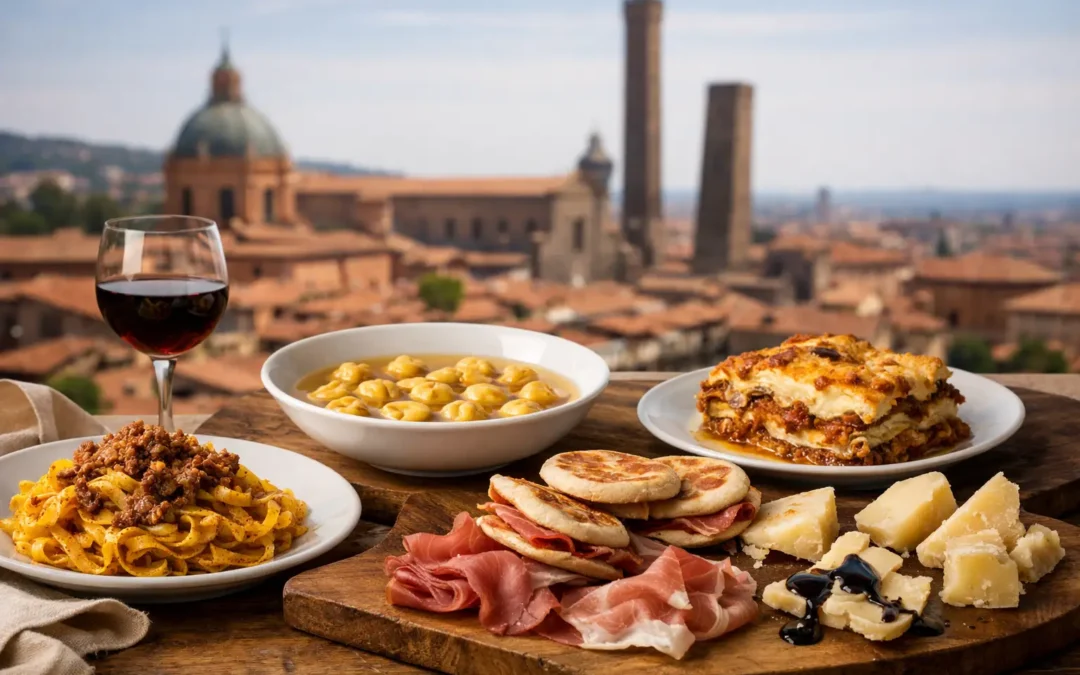
 In Bologna, it’s not enough to order “a typical dish.” You need to know what you’re looking for: a well-rolled pasta sheet, ragù cooked with patience, a balanced filling, clear broth. When searching for the best Emilian dishes in Bologna, the difference isn’t made by the number of menu options: it’s made by respect for recipes, timing, and quality ingredients.
Emilian cuisine is generous, but it’s not heavy by definition. It’s artisanal precision hidden behind a forkful that seems simple. And Bologna is the right place to start, as long as you let go of the idea that you’ll find the same experience everywhere.
The Best Emilian Dishes in Bologna, No Shortcuts
There are dishes that tell the story of a city better than any guidebook. In Bologna, the first is fresh pasta, but stopping there would be reductive: there are broths, meats, vegetables, cured meats, bread, and fried foods that speak the same gastronomic dialect.
A good criterion is this: look for consistency. If the pasta sheet is the star, it must have thickness, structure, and porosity. If there’s ragù, it shouldn’t cover everything with tomato. If tortellini in broth arrive, the broth isn’t a service detail but half the dish. Real tradition doesn’t need special effects. Fewer hashtags, more ragù.
Tagliatelle al Ragù
They’re the absolute benchmark. Bolognese tagliatelle must be wide, just rough enough, and able to hold the sauce without falling apart. Ragù alla bolognese, the kind made properly, isn’t a quick red sauce: it starts with soffritto, works the meats, and finds balance between tomato, milk, and long cooking.
The proof is in the spoon. The ragù must cling to the pasta, rich but not watery, intense without becoming aggressive. And no, spaghetti alla bolognese isn’t the symbol of the local table: here the right pairing is tagliatelle and ragù.
Tortellini in Brodo
Small, filled, precise. Tortellini are an act of patience before they’re even a dish. The traditional filling brings together meat, mortadella, prosciutto crudo, Parmigiano Reggiano, egg, and nutmeg. Proportions change from kitchen to kitchen, but the result must be clear: flavorful, compact, never indistinct.
Then there’s the broth, often underestimated by those ordering in a hurry. A well-made meat broth is clean on the palate, deep and warm without being greasy. Tortellini shouldn’t float in just any liquid: they should arrive in a homemade cup, even when you get them to go.
Tortelloni with Butter and Sage
If tortellini have a meat heart, tortelloni show the other side of Emilia: ricotta, parsley, Parmigiano Reggiano, and fresh pasta. They’re larger, softer, and more delicate. That’s why they don’t ask for loud sauces.
Melted butter, sage, and a sprinkle of cheese are enough when the filling is done right. In some versions a touch of tomato arrives, but a simple rule applies: the sauce should accompany, not hide. It’s a dish that wins over those seeking comfort, but still demands technique.
Green Lasagne alla Bolognese
Bolognese lasagne have a precise structure: green spinach pasta sheets, ragù, béchamel, and Parmigiano Reggiano. They’re not a compact block or a pool of sauce. Each layer must remain recognizable, soft, and well bound to the others.
They’re the dish to choose when you need a real lunch break or a dinner to take home and share. They work great for takeout, as long as they’re prepared with balance: the pasta sheet mustn’t dry out and the béchamel mustn’t take command.
Gramigna with Sausage Ragù
Gramigna has that short, curled shape that holds sauce naturally. In Bologna it often meets sausage ragù, more immediate and rustic than classic ragù. It’s a straightforward dish, for a quick fork, but still requires attention.
The sausage must be well browned and the sauce mustn’t become a greasy shortcut. It’s the right choice for those wanting a first course full of character, less ceremonious than tortellini and just as local.
Cotoletta alla Bolognese
Calling it just a cutlet is not enough. The Bolognese version, also known as petroniana, starts with a breaded and fried veal cutlet, then enriched with prosciutto, Parmigiano Reggiano, and broth. In many preparations truffle also appears, but it’s not the only possible route.
Here the point is balance. It must be juicy, savory, and gratinéed, not soggy or weighed down by ingredients put there for show. It’s an important second course, to choose when you’re truly hungry and want to understand how Bologna can be generous without losing measure.
Passatelli in Brodo
Breadcrumbs, Parmigiano Reggiano, eggs, and nutmeg: few ingredients, enormous personality. Passatelli are irregular, tender, and fragrant. They seem like a humble preparation, but they require skill and correct proportions to avoid breaking in the broth and becoming rubbery.
They’re a great alternative to tortellini, especially for those who love the flavors of cheese and bread. On colder days, or when you want something comforting without giving up local cuisine, they’re a choice that doesn’t disappoint.
Crescentine Fritte, Cured Meats, and Cheeses
In Bologna, crescentine fritte are the convivial side of the table. Hot, puffy, and crispy, they ask for mortadella, prosciutto, salami, fresh cheeses, or squacquerone alongside. Be careful not to automatically confuse them with tigelle: they’re two different preparations, even if both were born to be at the center of sharing.
Here what counts is the frying, which must be dry and light, and the quality of what you stuff them with. Good mortadella doesn’t need much explanation. Warm bread, well-sliced cured meat, and the right glass already do their job.
Friggione and Side Dishes That Deserve Space
Bolognese friggione is born from onions and tomato, cooked slowly until they become creamy and sweet. It’s a side dish, yes, but treating it as a supporting player is a mistake. It can accompany meats, go with bread, or complete a pasta lunch without making everything the same.
Emilian cuisine doesn’t live on impressive first courses alone. Seasonal vegetables, roasted potatoes, well-dressed salads, and homemade sauces help build a more complete meal. Especially when eating out often, alternating is a smart choice, not a compromise.
How to Choose Well Between Tradition and Takeout
Eating Emilian in Bologna doesn’t necessarily mean sitting at the table for three hours. A work lunch, a dinner on the couch, a tray to bring to friends can have the same dignity, if there’s a kitchen behind it that truly makes things in-house.
It’s worth looking for concrete signs: fresh pasta prepared every day, ragù and sauces made in the kitchen, bread baked internally, meat handled with care. In a place like Ragù Bologna, the idea is exactly this: bringing local dishes into the urban rhythm without cutting corners. Takeaway shouldn’t be distracted food.
The order matters too. If it’s your first time, tagliatelle al ragù or tortellini in brodo are the two most revealing dishes. If you’re with company, crescentine and cured meats open the meal well. If you’re bringing something home, lasagne and tortelloni handle the journey more easily. The cutlet, on the other hand, gives its best when it can arrive and be eaten right away.
You don’t need to taste everything at once. Choose a well-made dish, eat it hot, let the pasta and sauce say what they need to say. In Bologna, the best cuisine doesn’t chase novelty: it makes you want to come back tomorrow.