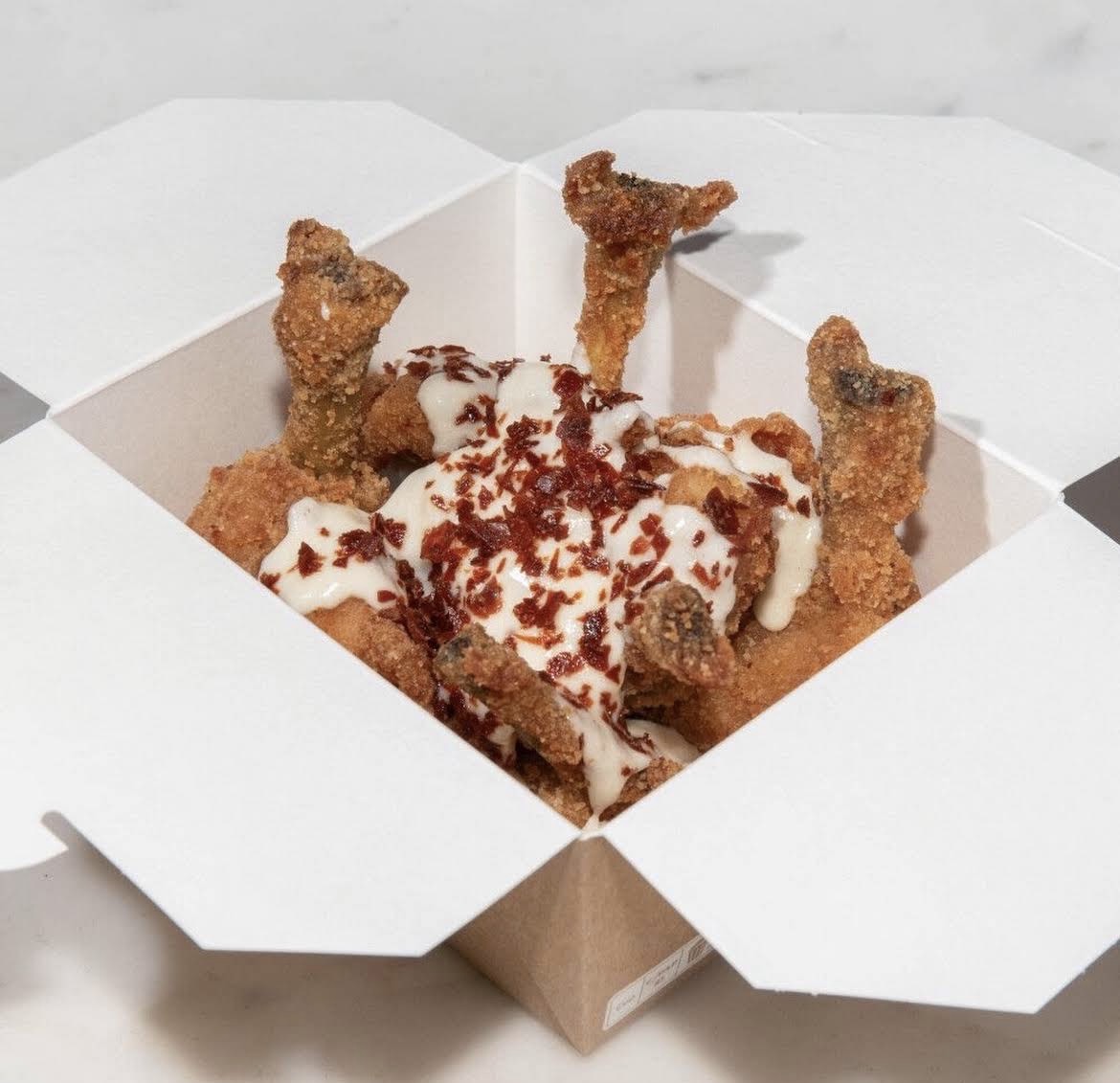
Cotolettine with Parmigiano cream from Ragù Bologna aren’t a second course to eat absentmindedly between one thing and another. They’re the clean crunch of breading under your teeth, the tenderness of the meat, and that warm, savory, enveloping cream that tastes of Emilia without needing special effects. A recipe that’s simple only in appearance, made for those who want to eat well even when time is short.
Cutlets are appealing because they’re straightforward. They don’t ask for explanations, don’t follow trends, don’t need to convince anyone. But a properly made cotolettina requires precision: the right cut, well-adhered breading, controlled cooking, and a topping that accompanies without covering. Parmigiano Reggiano cream does exactly that. It brings depth, roundness, and that unmistakable character that in Bolognese cooking isn’t a detail.
Cotolettine with Parmigiano Cream: The Strength Lies in Balance
The risk with a dish like this is overdoing it. A cream that’s too thick weighs down the breading; one that’s too thin soaks it until it loses its crispness. Even the cheese needs to be measured with respect: Parmigiano Reggiano has intensity, structure, and a natural savoriness that doesn’t need to be pushed further.
Balance comes from contrast. On one side there’s the golden cotolettina, with dry, fragrant breading. On the other there’s the cream, smooth and warm, resting on the meat without hiding the work done before. The result shouldn’t be heavy: it should be generous, yes, but clean on the palate.
Size matters. Cotolettine have a different rhythm compared to the classic large cutlet: they’re more practical, easier to share, perfect for a quick lunch or an informal dinner to take home. One leads to another, but they’re not a snack without identity. They’re substantial cooking in an urban format.
Breading Isn’t a Side Note
When talking about cutlets, the first attention often goes to the meat. Fair enough, but the breading deserves the same respect. It must protect, not smother. It must stay adhered during cooking and create a golden surface, never a hard, greasy shell.
The point is finding a crust that holds the bite and leaves room for the meat. If it’s too thick, everything tastes of breadcrumbs. If it’s too thin or poorly cooked, it detaches and loses its function. Good breading is a matter of technique and timing, not luck.
Temperature also makes a difference. Rushed cooking can leave the cutlet pale and loaded with oil; excessive cooking dries out the meat and stiffens the crust. The right golden color has a vibrant hue, a clean aroma, and a texture that remains pleasant until the last bite.
Parmigiano Reggiano Cream: Soft, Not Intrusive
A well-made Parmigiano Reggiano cream shouldn’t resemble a shortcut. It’s not simply melted cheese poured on top. It’s a sauce built to have a velvety consistency, to adhere to the cotolettina and leave in your mouth the taste of milk, aging, and Emilian cooking.
Parmigiano Reggiano brings umami, that savory fullness that extends the flavor without making it aggressive. That’s why it pairs well with meat and breading: it gathers the toasted notes of the crust and accompanies them with a creaminess that makes you want to mop up. Here bread also has its role, better if made with care and used without haste.
Not all creams need to be identical. The aging level of the cheese changes the result: a younger Parmigiano tends to be sweeter and more milky, a more aged one has bolder notes and a more pronounced savoriness. There’s no single right choice. It depends on the cut of meat, the type of breading, and the character you want to give the dish.
A Dish That Really Works for Takeaway
Takeaway doesn’t forgive approximations. A dish can be excellent when just served and arrive home without strength, especially when there’s a crispy component. Cotolettine demand attention even in packaging: they need to be protected from steam and condensation, otherwise the breading quickly loses its best part.
That’s why the cream needs to be managed carefully. Serving it in the right amount lets you immediately savor the contrast between hot, creamy, and crispy. If you want to preserve the breading’s crispness longer, the smartest choice is to add it little by little, without drowning everything from the start.
At home a simple gesture is enough to enjoy the dish at its best: arrange the cotolettine on the plate as soon as possible, distribute the cream, and eat them while they’re still hot. No need to turn dinner into a complicated ritual. You just need to not wait too long. Crispness has its timing, and it must be respected.
When to Choose Cotolettine
They’re a concrete answer to many different hungers. They work well at lunch when tagliatelle can wait for a longer evening, they work for a dinner on the couch that doesn’t want to be sad, and they lend themselves to being shared during an aperitivo with something well-made to drink. The format helps: it’s convivial, immediate, with no dishes to build at the table.
Alongside a fresh side dish, cotolettine find a nice counterpoint. A vegetable component, slightly acidic or crunchy, lightens the cream and rebalances each bite. If instead the hunger is serious, bread is the natural companion: it collects what remains on the plate and closes the circle without shame.
The drink pairing also depends on the occasion. A fresh, dry beverage cleans the palate from the creaminess of the Parmigiano; a well-balanced drink, with a bitter or citrus note, can give the dish a more contemporary step. No rigid rules, though: the criterion is simple. Drinking should accompany the food, not show off.
Tradition, But with the City’s Pace
In Bologna, home cooking isn’t a pose. It’s concrete memory: a well-rolled sheet of pasta, a ragù that requires time, a hand-closed tortellino, a sauce made with patience. Cotolettine with Parmigiano cream speak the same language, even if they choose a faster, more immediate format.
This is the interesting part: tradition doesn’t mean repeating the same gesture in the same way every time. It means knowing the fundamentals and taking them where they’re really needed. On a full day, between classes, offices, walks downtown, or late returns, eating well must remain possible. No need to make everything complicated to make it authentic.
Cotolettine with Parmigiano cream are this: a recognizable recipe, built with respect and served without theater. Crispy when they need to be, creamy at the right point, ready to bring order to hunger. Fewer effects, more flavor. And when a bit of cream remains on the plate, bread isn’t optional: it’s common sense.